


Celestial Dancer Apsara in Sandstone Sculpture
Celestial Dancer Apsara in Sandstone Sculpture
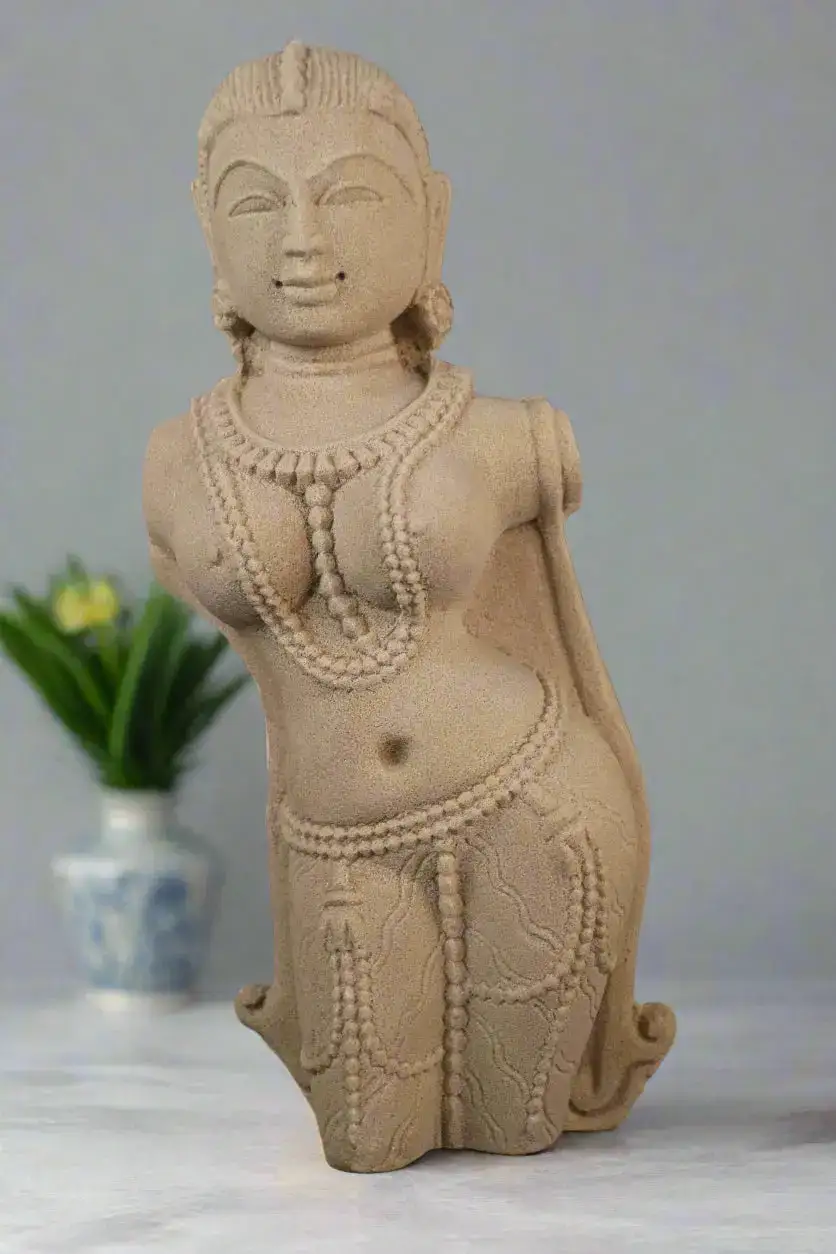
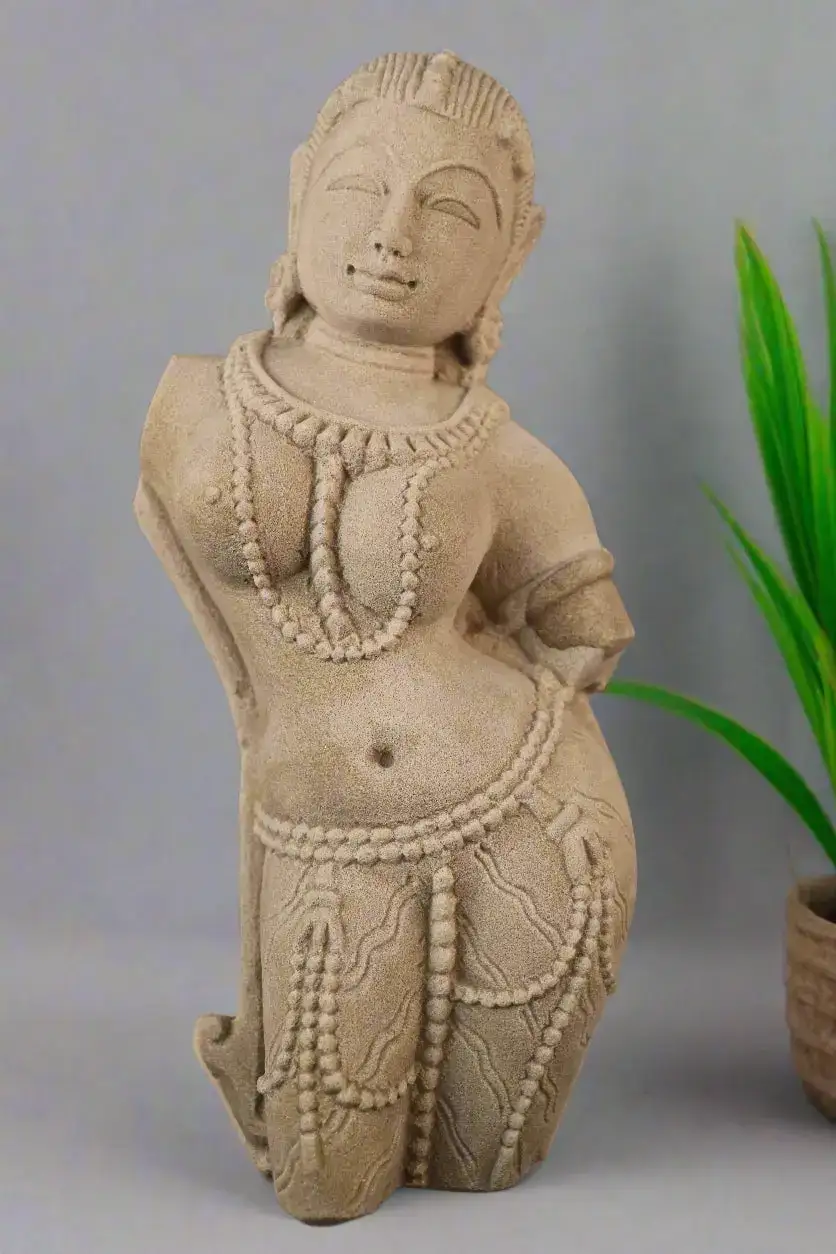
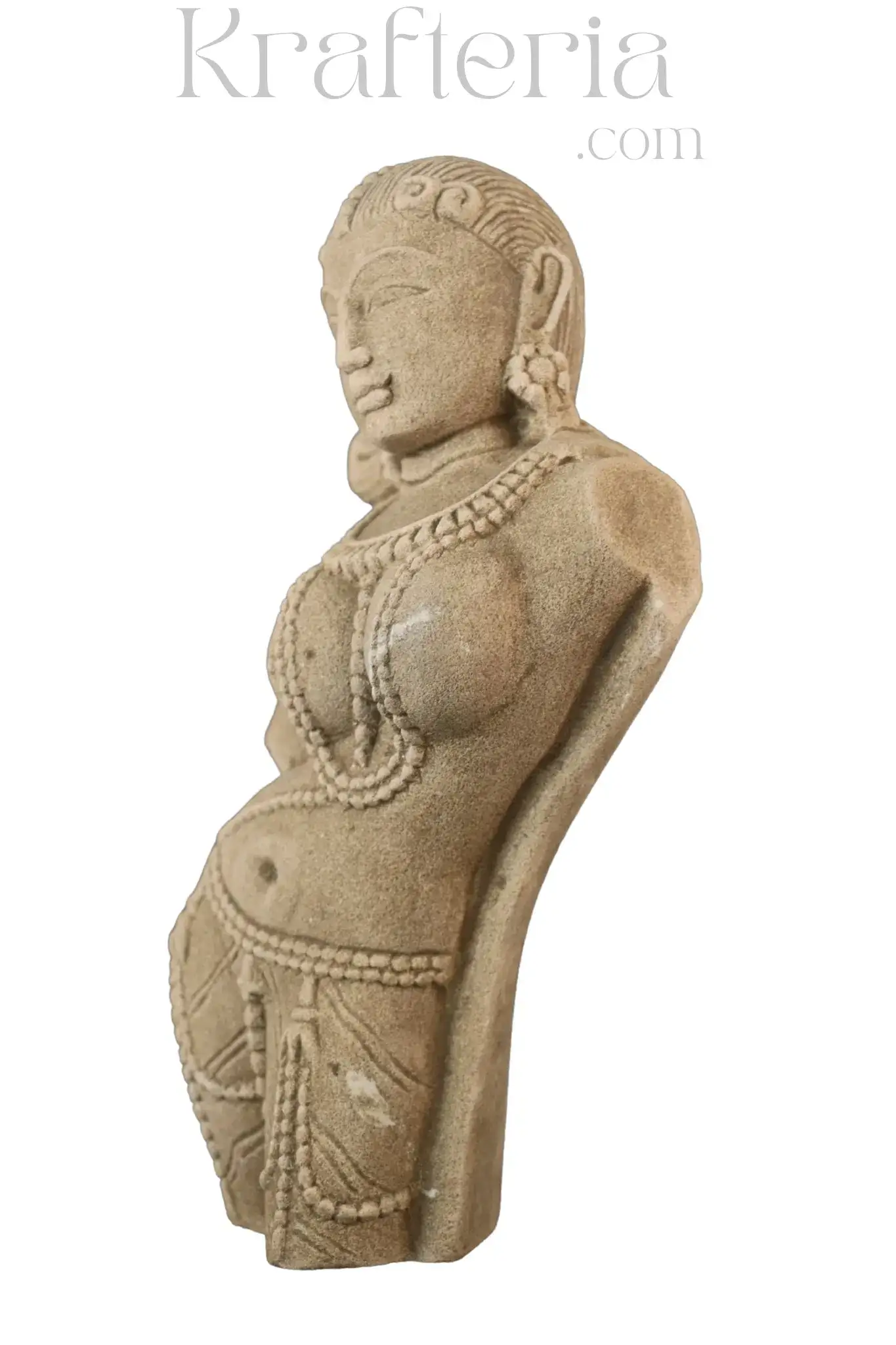
The Dancer Apsara Sandstone Sculpture from Madhya Pradesh is a stunning example of Indian temple art at its finest. The region is renowned for its exquisite sandstone carvings created during the medieval era. These masterpieces mainly flourished under powerful rulers like the Chandela of Khajuraho, the Paramaras in Ujjain and Dhar, and the Pratiharas. The sculptures are carved from locally sourced red, buff, or pink sandstone, each piece reflecting unique natural hues.
Each sculpture is a reflection of the artistic zenith reached in medieval India, showcasing remarkable craftsmanship. The natural quality of sandstone allows artisans to intricately carve detailed forms. These artworks capture divine and human figures in dynamic and graceful dance poses. Their captivating presence enriches any space, making them treasured pieces for home decor and cultural collections.
The Artistic Essence of Dancer Apsara Sandstone Sculpture
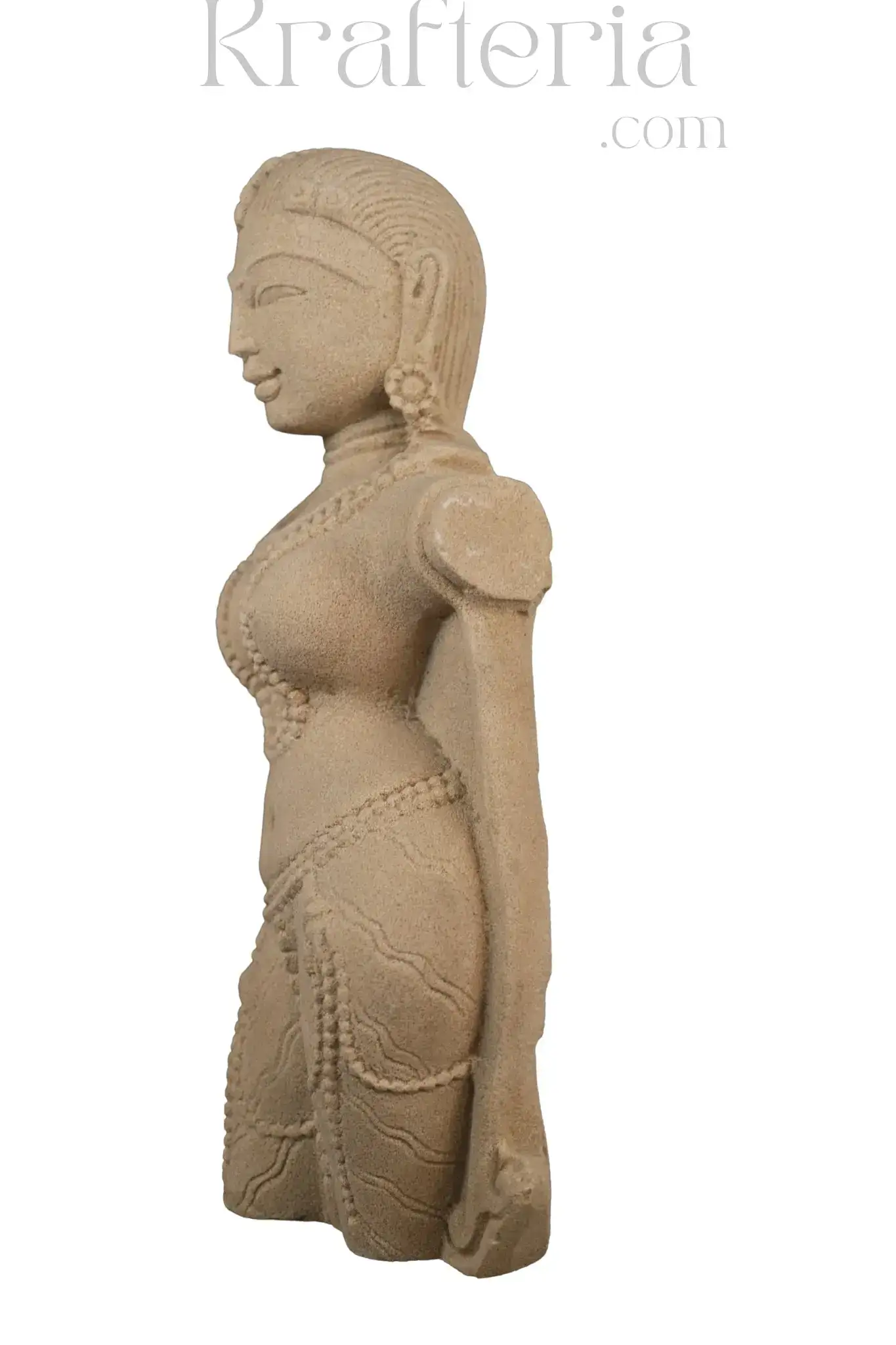
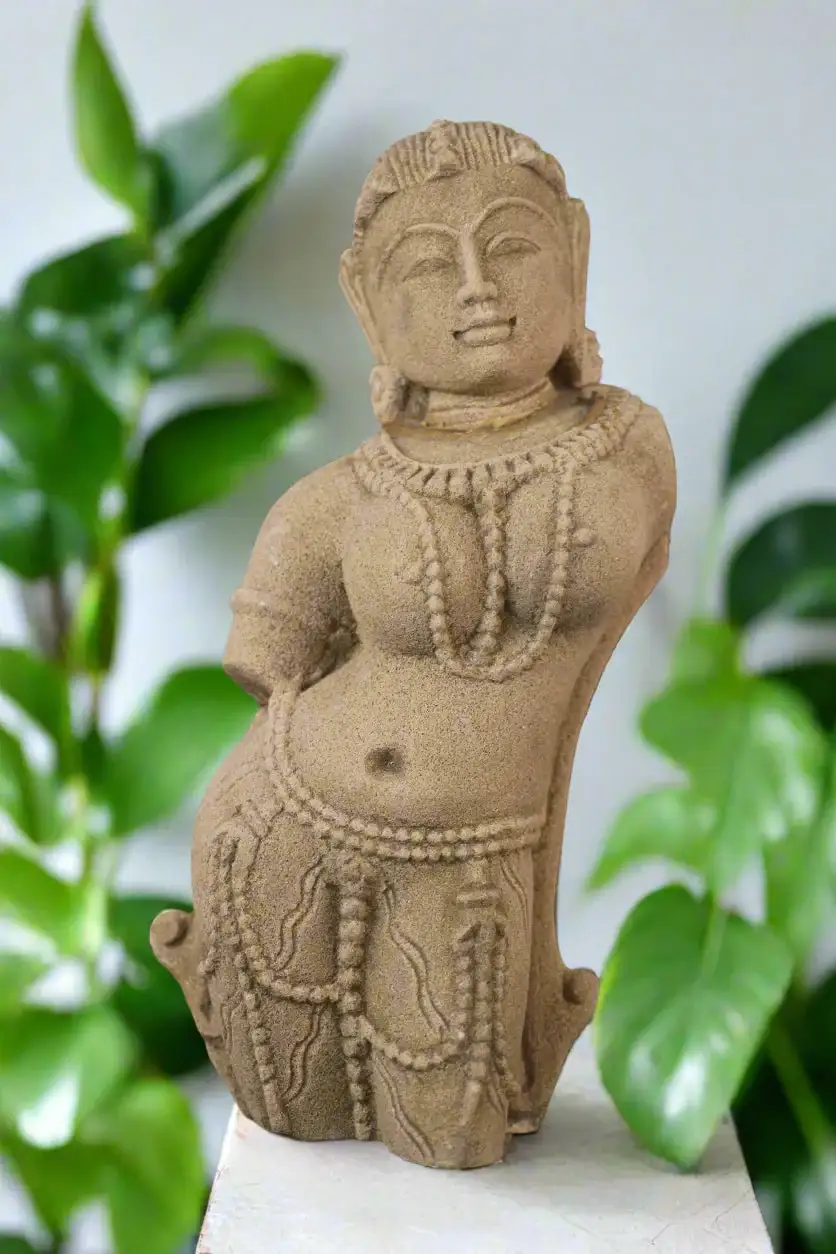
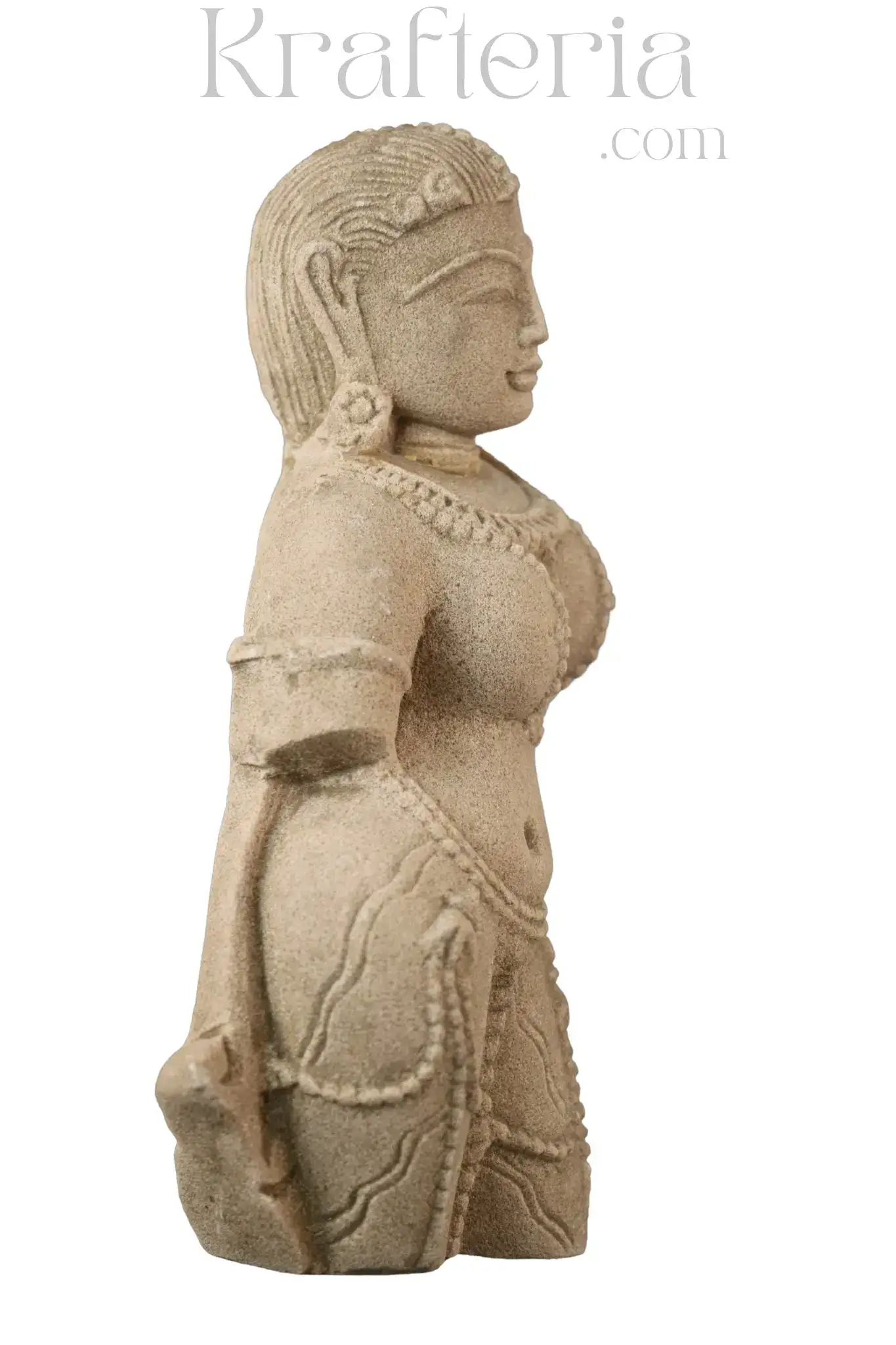
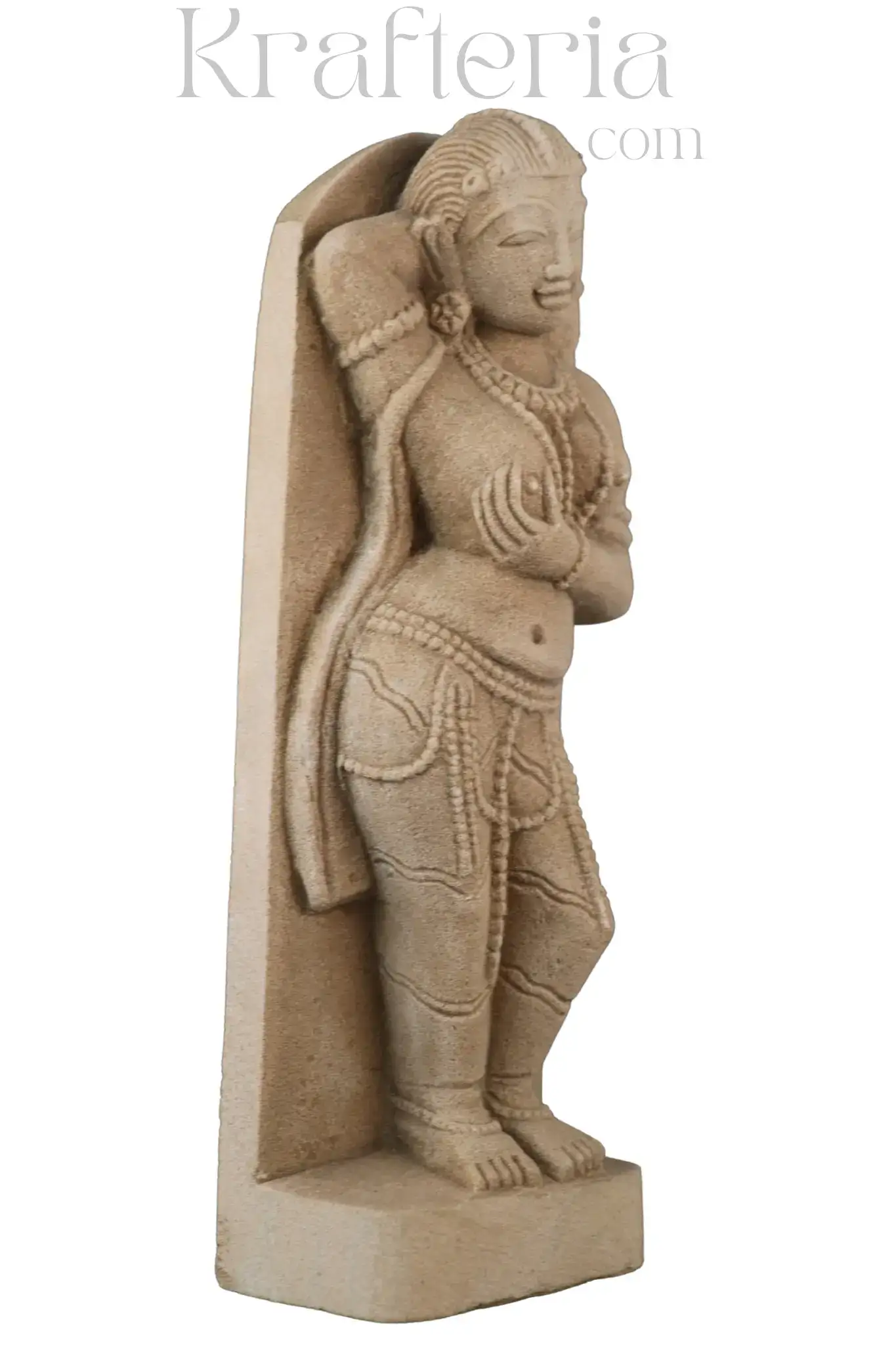
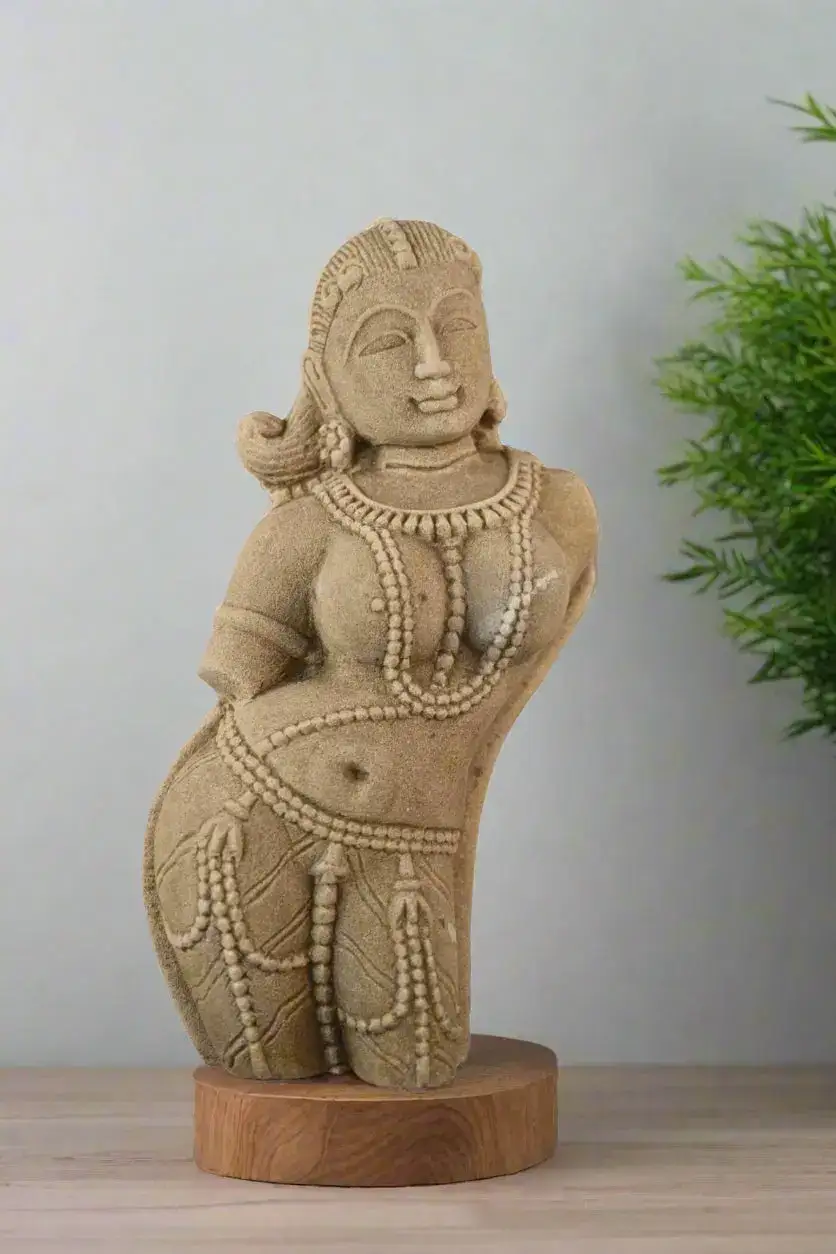
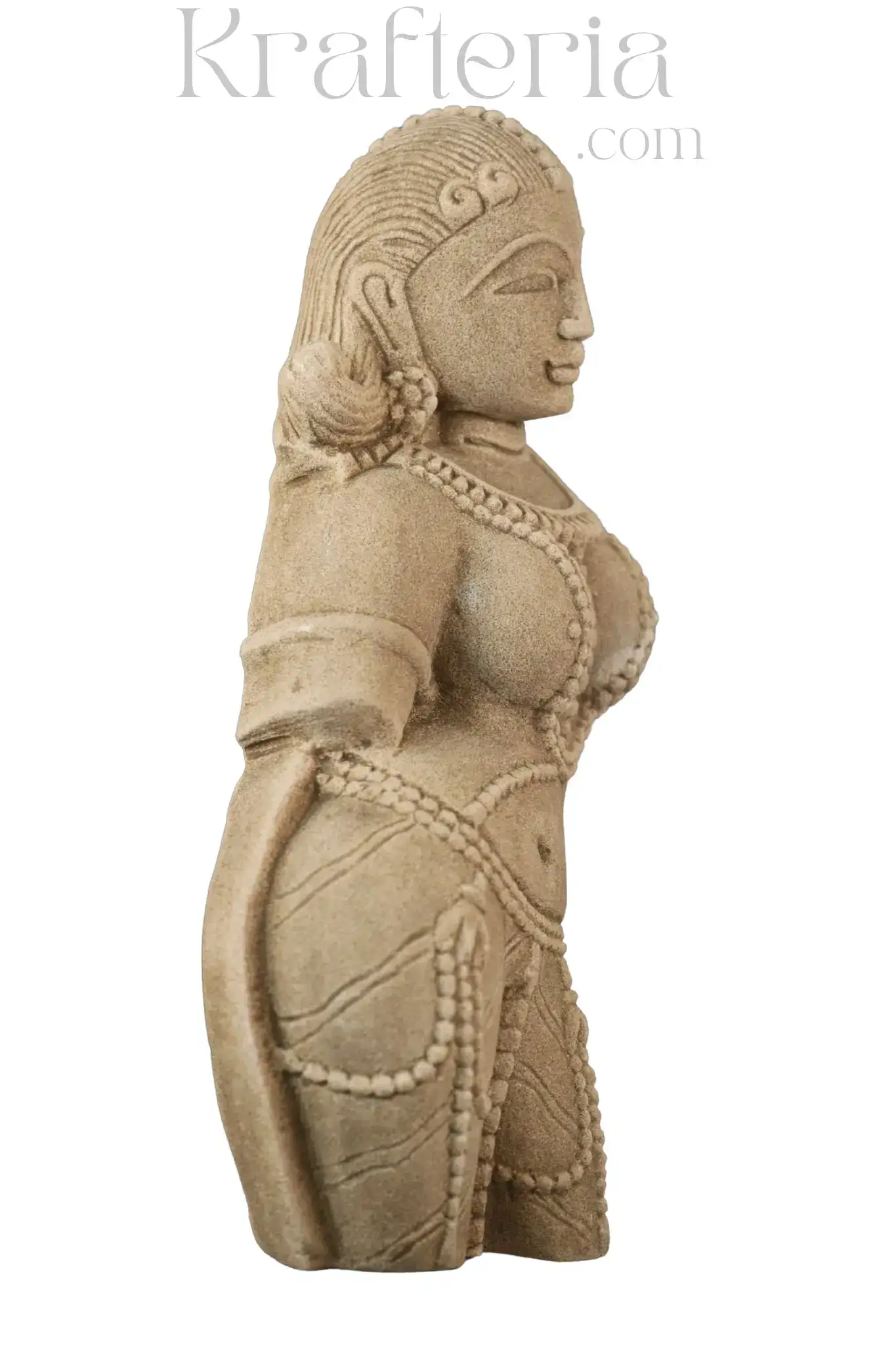
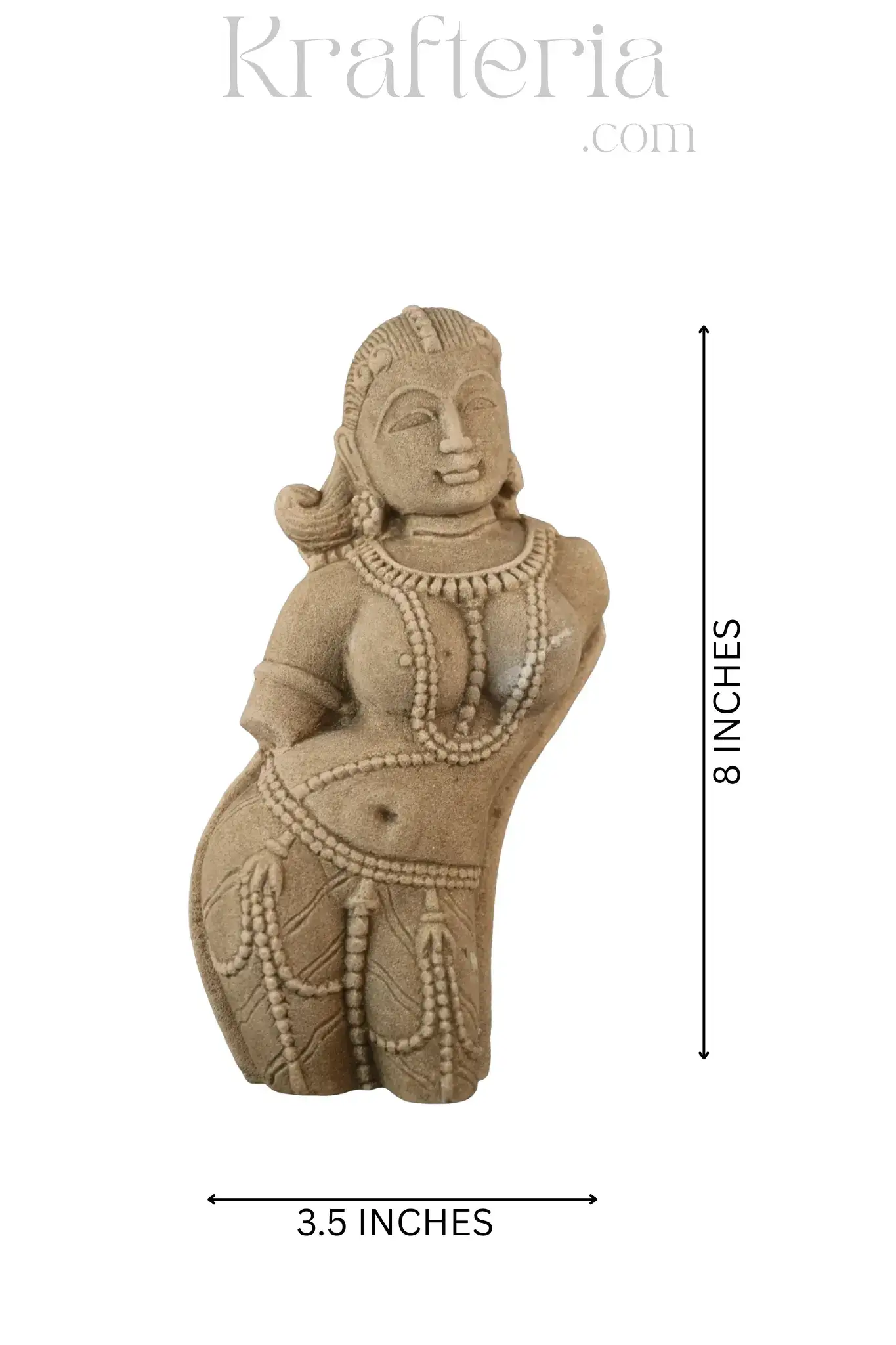
This sandstone artwork is distinct due to its high relief carving and elaborate ornamentation. The figures exude movement and fluidity, true to the dancing celestial beings they represent. Common themes include Hindu and Jain deities, celestial entities such as apsaras and gandharvas, mythological tales, and lively scenes from everyday life.
The hallmark of these sculptures is the sensuous beauty paired with symbolic cosmic principles. Each carving offers insight into ancient spiritual beliefs through mythological narratives. Their lifelike facial expressions and finely chiseled jewelry add layers of realism and spiritual depth. Such qualities make this an excellent example of handcrafted celestial stone decor.
Iconic Locations and Spiritual Symbolism
The most celebrated examples are found at the Khajuraho temples, a UNESCO World Heritage Site. The sandstone figures there emit a blend of spiritual grace and physical vitality. These sculptures go beyond mere decoration; they are deeply symbolic, reflecting the union between spiritual and sensual realms in Indian philosophy.
Besides Khajuraho, breathtaking sandstone sculptures also grace places like Bateshwar, Gwalior Fort, Udayagiri, and Amar Kantak. These sites highlight the diverse regional sculptural traditions. The sandstone medium enables delicate chiseling, resulting in detailed facial features, intricate jewelry, and flowing drapery—all hallmarks of this artistic legacy.
Why Choose This Classical Indian Dance Sculpture?
The Classical Indian dance sculpture stands as a majestic representation of classical Indian dance. It embodies grace, elegance, and cultural richness. Its exquisite detailing and historical importance make it a cherished piece among collectors and art enthusiasts. This sculpture is highly valued as premium gifting sandstone art for those who appreciate traditional craftsmanship and timeless aesthetics.
Whether placed in meditation and pooja rooms or displayed in living spaces, this sculpture enhances the ambiance. Its presence invites tranquility and artistic inspiration. It is a fine choice for anyone seeking meaningful art that merges spirituality with decorative appeal. These features underline its stature as a luxury traditional Indian sculpture.
Artistic Features and Crafting Technique of Dancer Apsara Sandstone Sculpture
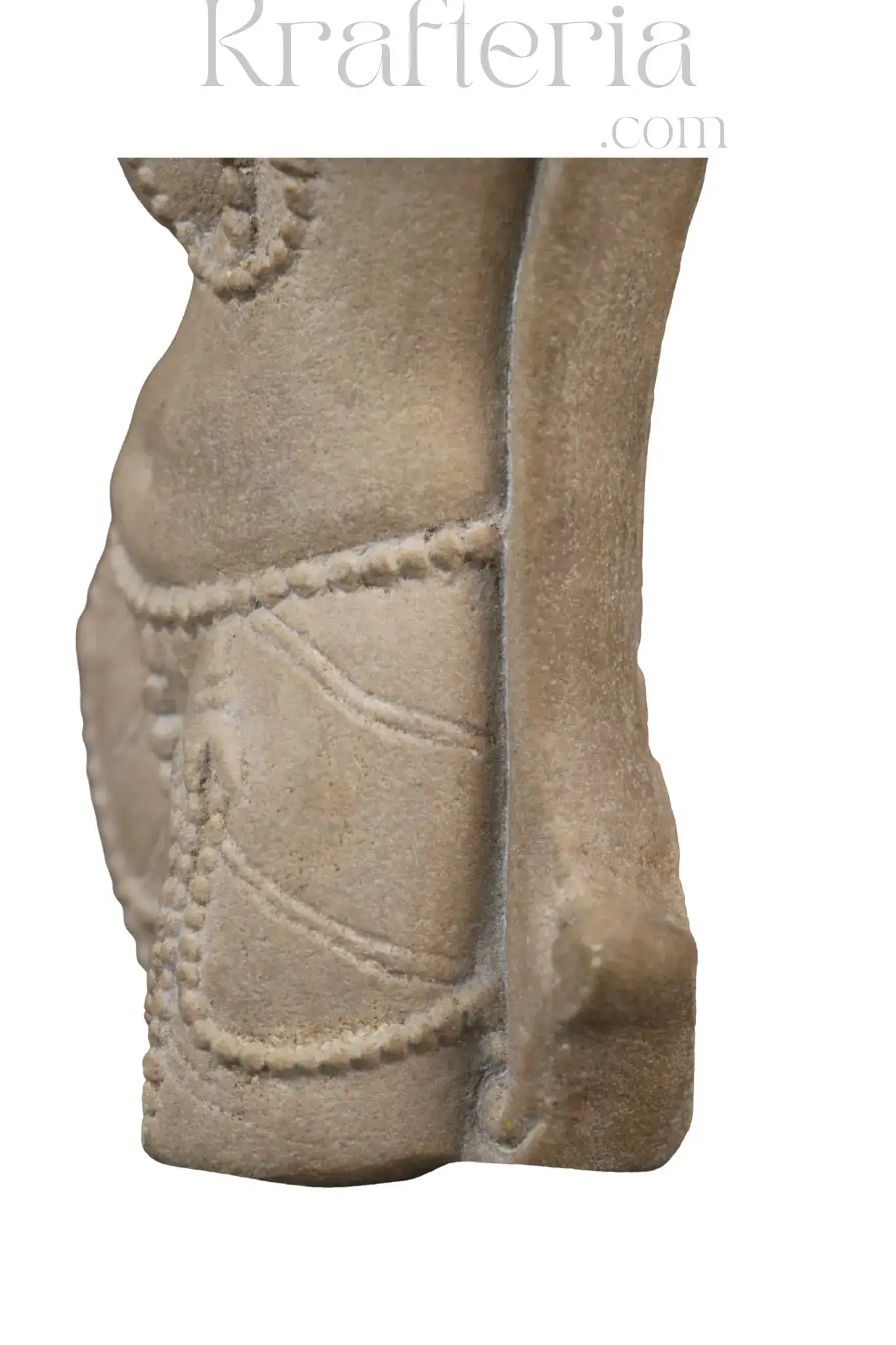
Artisans create these sculptures using traditional methods passed down through generations. Their skill is evident in the high relief technique, which provides depth and dimensionality to the forms. Every detail, from the curves of the body to the beads of jewelry, is carved with precision. This craftsmanship ensures the sculpture captures the divine beauty and fluid motion of the apsara figure.
Locally sourced sandstone is carefully selected for its texture and carving suitability. The stone’s earthy hues—be it red, buff, or pink, enhance the sculpture’s natural beauty. Each piece is unique, with subtle variations that add charm and character. Owning such a piece means possessing a part of India’s rich heritage and spiritual artistry.
Inspiration and Cultural Importance
These sculptures are enduring symbols of India’s artistic heritage. They inspire scholars, art lovers, and collectors worldwide. The Dancer Apsara Sandstone Sculptures connects ancient Indian mythology with modern appreciation, bridging cultural and temporal gaps. It celebrates feminine grace and divine dance as powerful expressions of cosmic harmony.
Choosing to buy Dancer Apsara sandstone sculpture brings not only decorative value but also cultural and spiritual significance. Ideal for personal enjoyment, gifting, or as a meditation and pooja room sculpture, it enriches spaces with history, mythology, and tradition. This makes it a meaningful addition to any art collection.
Displaying and Caring for Your Sculpture
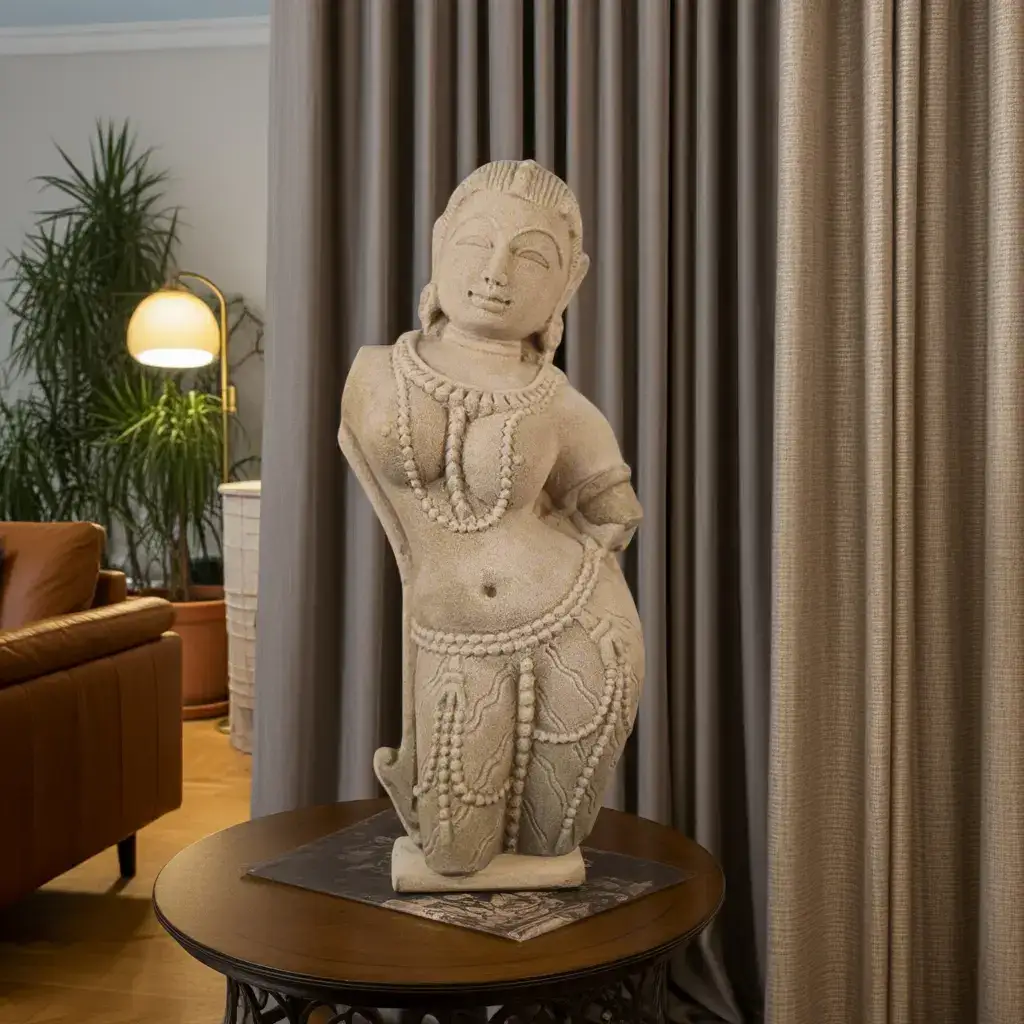
To best enjoy this artwork, display it where its intricate details can be admired. Ideal locations include living rooms, art galleries, or sacred spaces. The sculpture’s flowing posture and delicate elements captivate viewers and elevate interior decor. With proper care, the sandstone retains its durability and visual appeal for many years.
Keep the sculpture away from excessive moisture and direct sunlight to preserve its rich color and form. Gentle dusting with a soft cloth helps maintain its intricate carvings. This careful maintenance honors the fine traditional craftsmanship behind each exquisite piece.
Product Information
Product Information
Shipping & Returns
Shipping & Returns
Description
Celestial Dancer Apsara in Sandstone Sculpture
The Dancer Apsara Sandstone Sculpture from Madhya Pradesh is a stunning example of Indian temple art at its finest. The region is renowned for its exquisite sandstone carvings created during the medieval era. These masterpieces mainly flourished under powerful rulers like the Chandela of Khajuraho, the Paramaras in Ujjain and Dhar, and the Pratiharas. The sculptures are carved from locally sourced red, buff, or pink sandstone, each piece reflecting unique natural hues.
Each sculpture is a reflection of the artistic zenith reached in medieval India, showcasing remarkable craftsmanship. The natural quality of sandstone allows artisans to intricately carve detailed forms. These artworks capture divine and human figures in dynamic and graceful dance poses. Their captivating presence enriches any space, making them treasured pieces for home decor and cultural collections.
The Artistic Essence of Dancer Apsara Sandstone Sculpture
This sandstone artwork is distinct due to its high relief carving and elaborate ornamentation. The figures exude movement and fluidity, true to the dancing celestial beings they represent. Common themes include Hindu and Jain deities, celestial entities such as apsaras and gandharvas, mythological tales, and lively scenes from everyday life.
The hallmark of these sculptures is the sensuous beauty paired with symbolic cosmic principles. Each carving offers insight into ancient spiritual beliefs through mythological narratives. Their lifelike facial expressions and finely chiseled jewelry add layers of realism and spiritual depth. Such qualities make this an excellent example of handcrafted celestial stone decor.
Iconic Locations and Spiritual Symbolism
The most celebrated examples are found at the Khajuraho temples, a UNESCO World Heritage Site. The sandstone figures there emit a blend of spiritual grace and physical vitality. These sculptures go beyond mere decoration; they are deeply symbolic, reflecting the union between spiritual and sensual realms in Indian philosophy.
Besides Khajuraho, breathtaking sandstone sculptures also grace places like Bateshwar, Gwalior Fort, Udayagiri, and Amar Kantak. These sites highlight the diverse regional sculptural traditions. The sandstone medium enables delicate chiseling, resulting in detailed facial features, intricate jewelry, and flowing drapery—all hallmarks of this artistic legacy.
Why Choose This Classical Indian Dance Sculpture?
The Classical Indian dance sculpture stands as a majestic representation of classical Indian dance. It embodies grace, elegance, and cultural richness. Its exquisite detailing and historical importance make it a cherished piece among collectors and art enthusiasts. This sculpture is highly valued as premium gifting sandstone art for those who appreciate traditional craftsmanship and timeless aesthetics.
Whether placed in meditation and pooja rooms or displayed in living spaces, this sculpture enhances the ambiance. Its presence invites tranquility and artistic inspiration. It is a fine choice for anyone seeking meaningful art that merges spirituality with decorative appeal. These features underline its stature as a luxury traditional Indian sculpture.
Artistic Features and Crafting Technique of Dancer Apsara Sandstone Sculpture
Artisans create these sculptures using traditional methods passed down through generations. Their skill is evident in the high relief technique, which provides depth and dimensionality to the forms. Every detail, from the curves of the body to the beads of jewelry, is carved with precision. This craftsmanship ensures the sculpture captures the divine beauty and fluid motion of the apsara figure.
Locally sourced sandstone is carefully selected for its texture and carving suitability. The stone’s earthy hues—be it red, buff, or pink, enhance the sculpture’s natural beauty. Each piece is unique, with subtle variations that add charm and character. Owning such a piece means possessing a part of India’s rich heritage and spiritual artistry.
Inspiration and Cultural Importance
These sculptures are enduring symbols of India’s artistic heritage. They inspire scholars, art lovers, and collectors worldwide. The Dancer Apsara Sandstone Sculptures connects ancient Indian mythology with modern appreciation, bridging cultural and temporal gaps. It celebrates feminine grace and divine dance as powerful expressions of cosmic harmony.
Choosing to buy Dancer Apsara sandstone sculpture brings not only decorative value but also cultural and spiritual significance. Ideal for personal enjoyment, gifting, or as a meditation and pooja room sculpture, it enriches spaces with history, mythology, and tradition. This makes it a meaningful addition to any art collection.
Displaying and Caring for Your Sculpture
To best enjoy this artwork, display it where its intricate details can be admired. Ideal locations include living rooms, art galleries, or sacred spaces. The sculpture’s flowing posture and delicate elements captivate viewers and elevate interior decor. With proper care, the sandstone retains its durability and visual appeal for many years.
Keep the sculpture away from excessive moisture and direct sunlight to preserve its rich color and form. Gentle dusting with a soft cloth helps maintain its intricate carvings. This careful maintenance honors the fine traditional craftsmanship behind each exquisite piece.