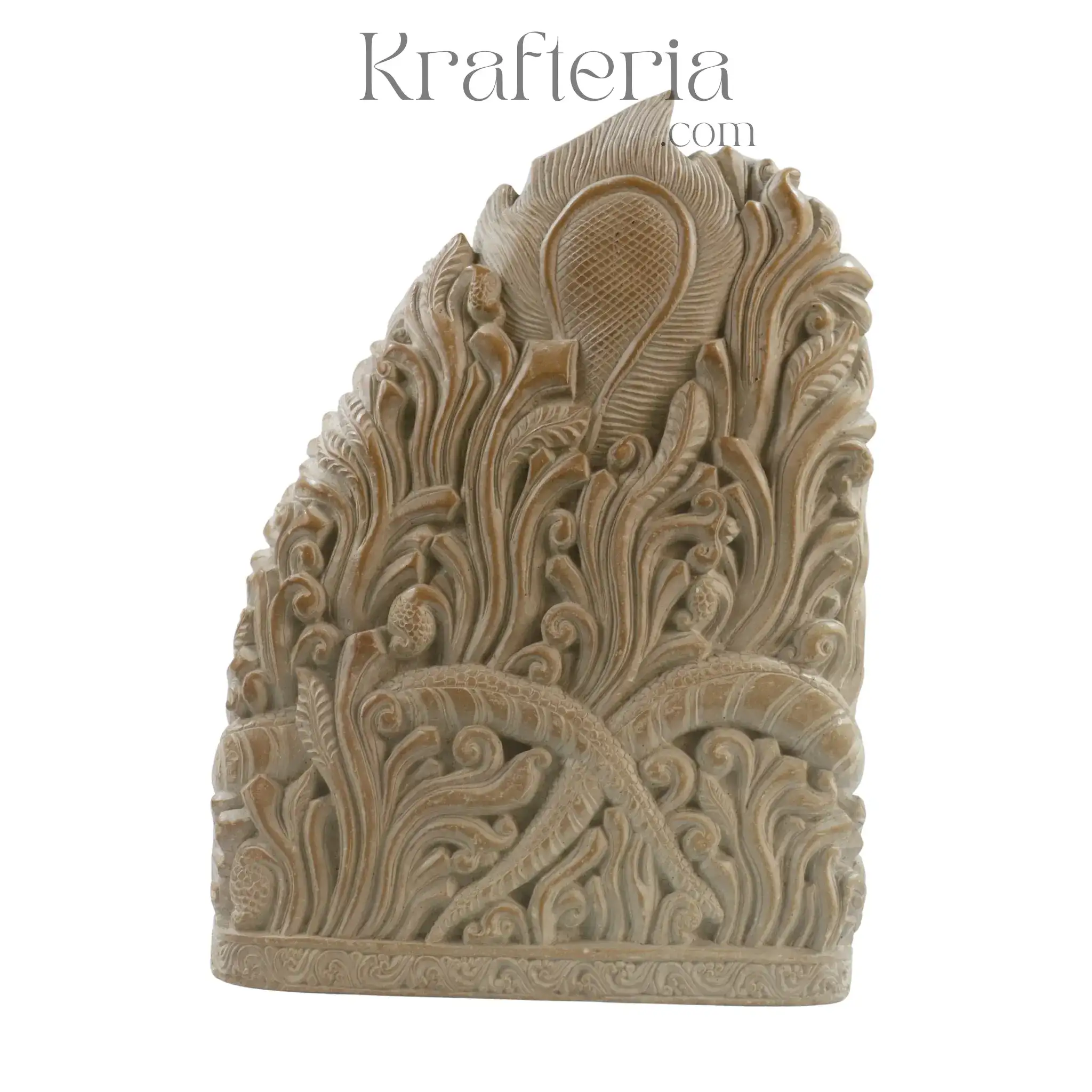
Krishna Sculpture on Snake – Divine Protector and Savior
Mahabalipuram, also known as Mamallapuram, is a significant historic and archaeological site located in Tamil Nadu, India. The region is renowned for its unique art and architecture from the Pallava period. This era flourished especially under the reigns of Mahendravarman and Narasimhavarman, dating back to the 7th and 8th centuries CE. One of the most exquisite highlights of this period is the Krishna Sculpture on Snake, a testament to the incredible skill of Pallava sculptors.
The Pallava period, spanning the 7th to 8th century CE, was marked by innovative artistic achievements. The dynasty, under rulers such as Mahendravarman (c. 600–630 CE) and Narasimhavarman I (Mamalla) (c. 630–668 CE), encouraged religious and cultural art. Mahabalipuram was named after Narasimhavarman I, reflecting his influence on the region’s artistic heritage. The Kaliya Mardan Krishna statue is a perfect example showcasing this rich cultural era.
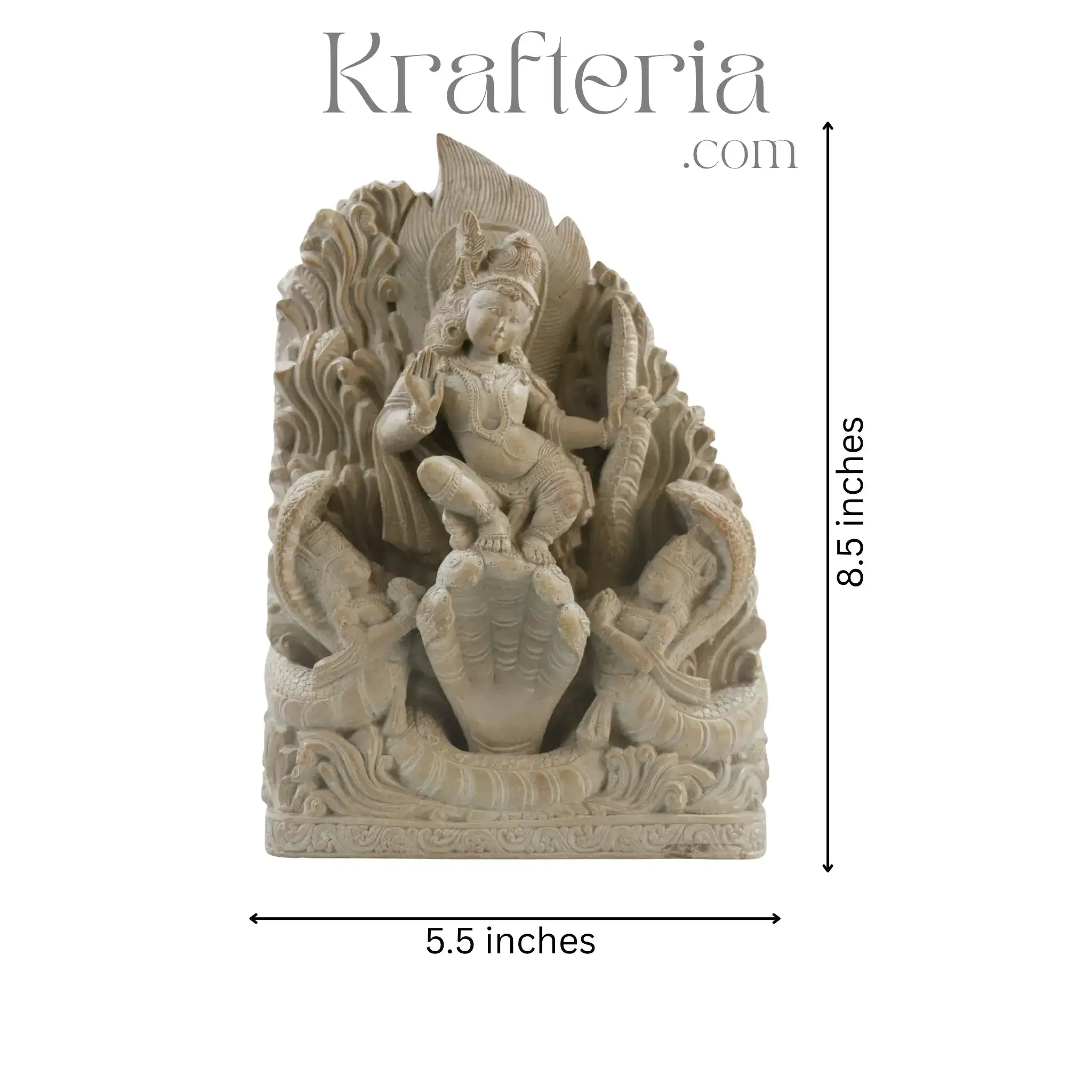
This sculpture measures approximately 8.5 inches in height, 5.5 inches in width, and 2 inches in length. It is crafted in soft stone and beautifully captures the essence of the Pallava artistic style.
Significance of Krishna Sculpture on Snake in Mahabalipuram
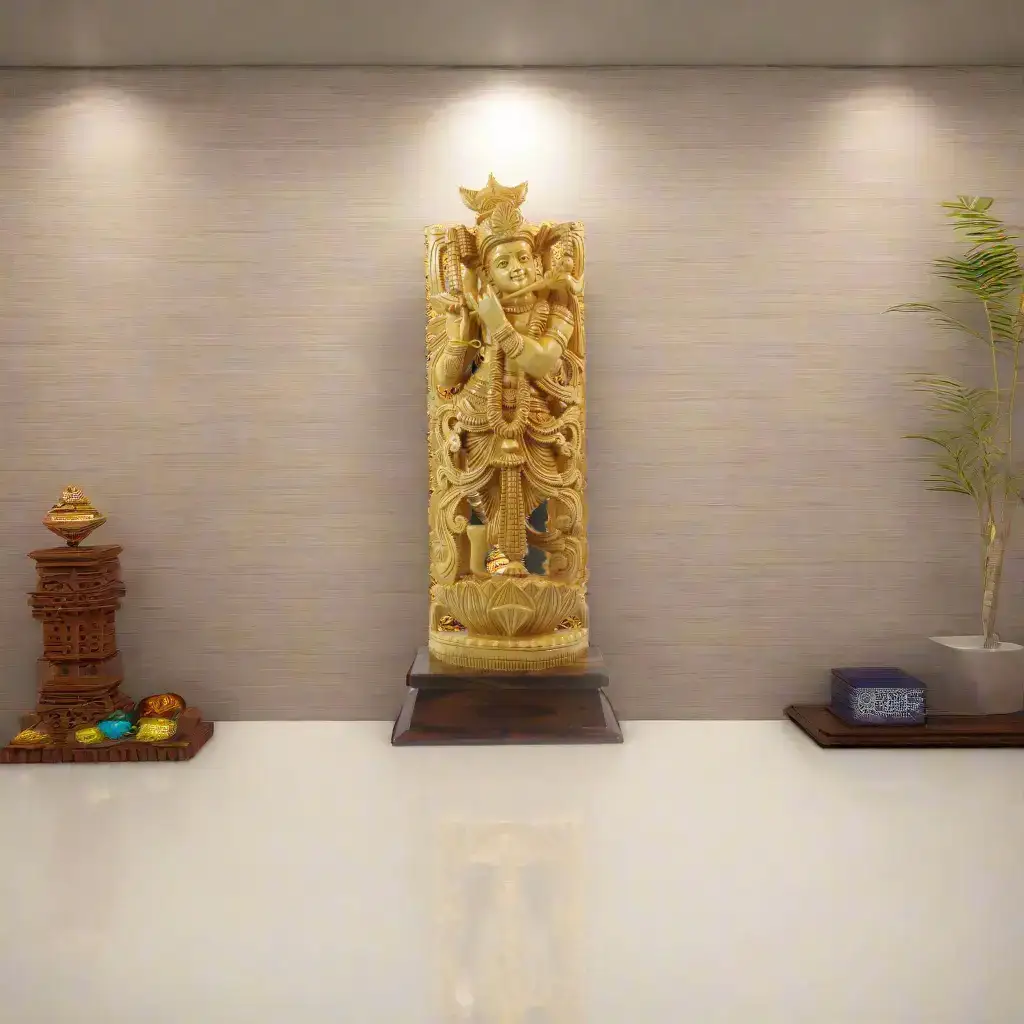
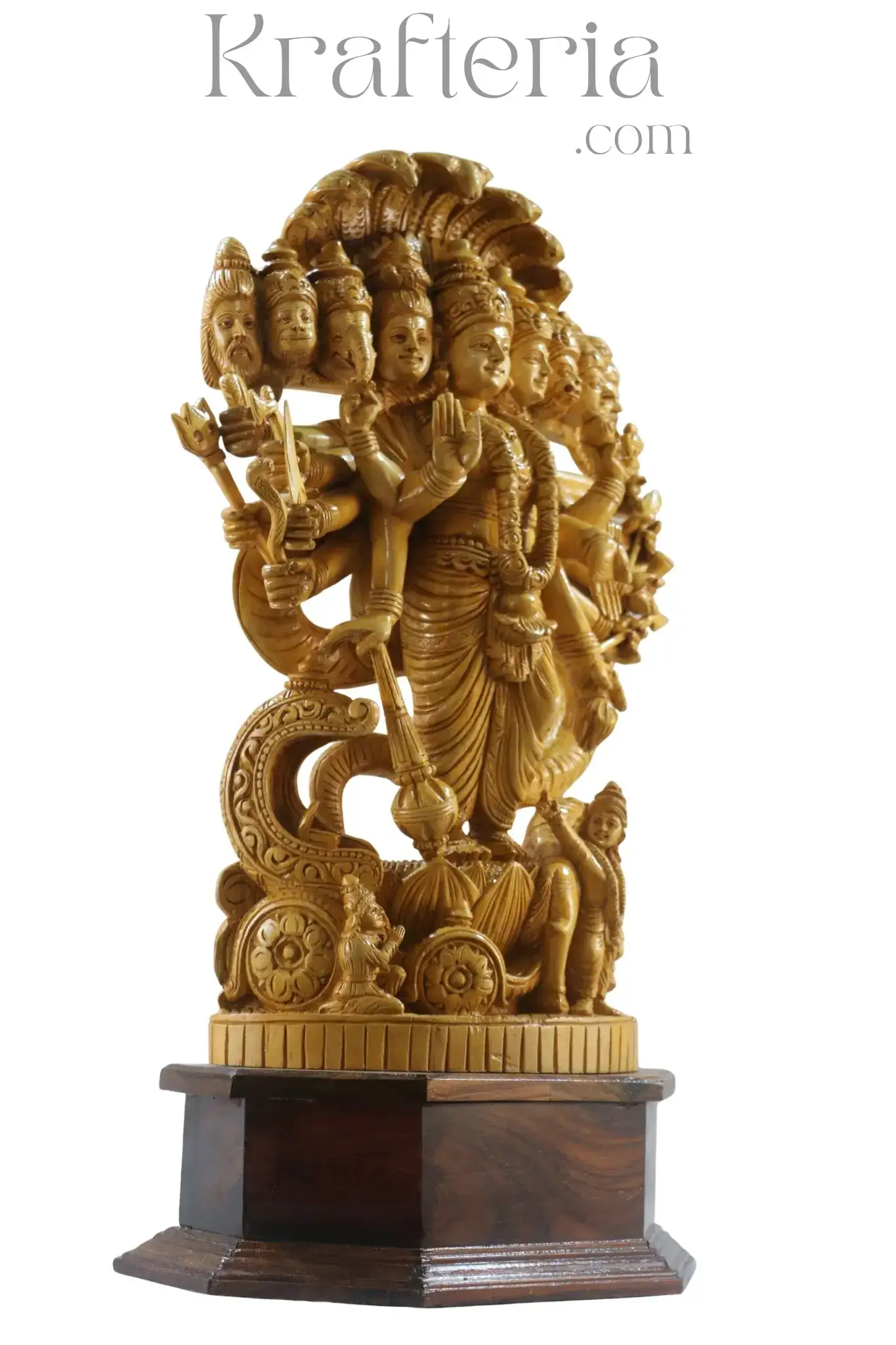
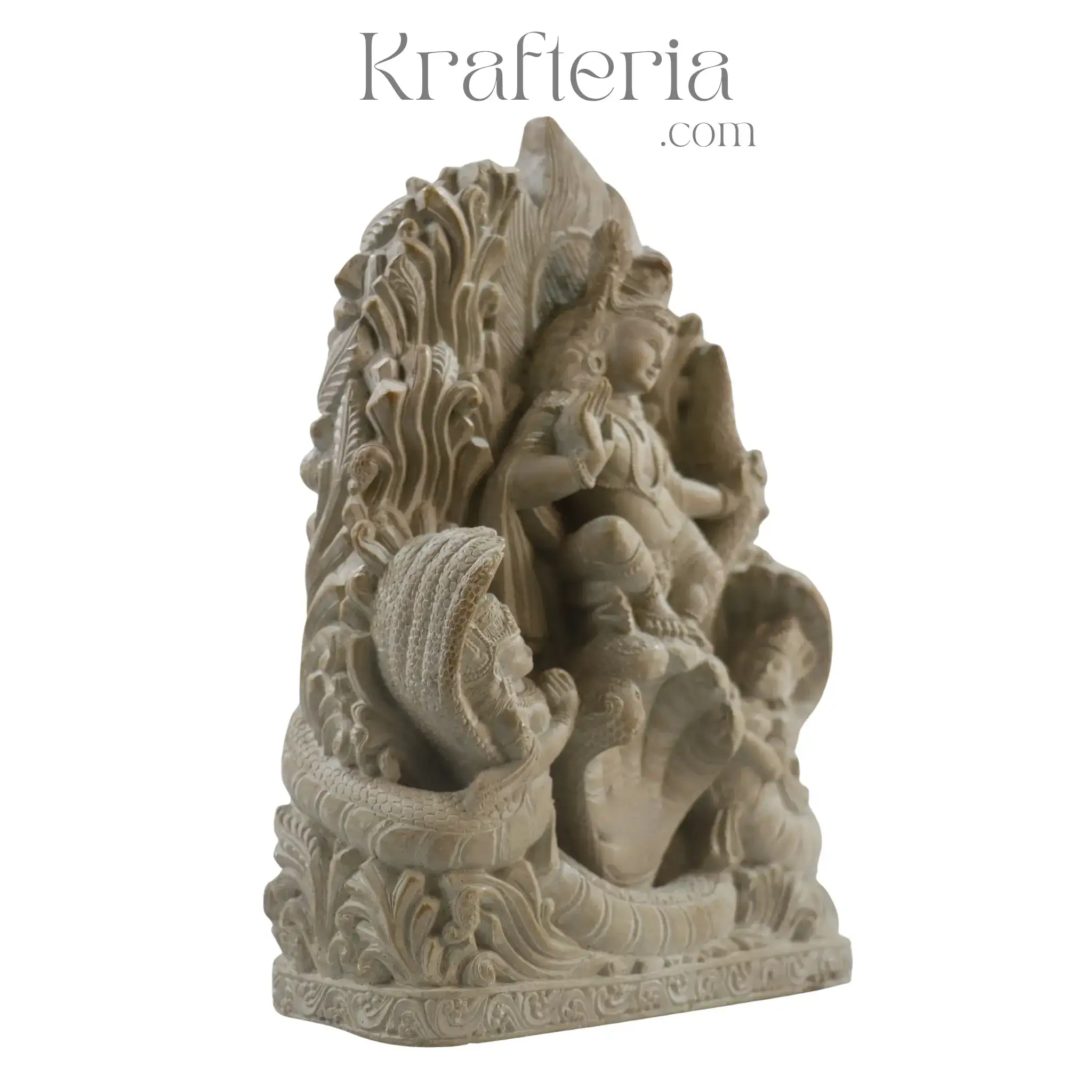
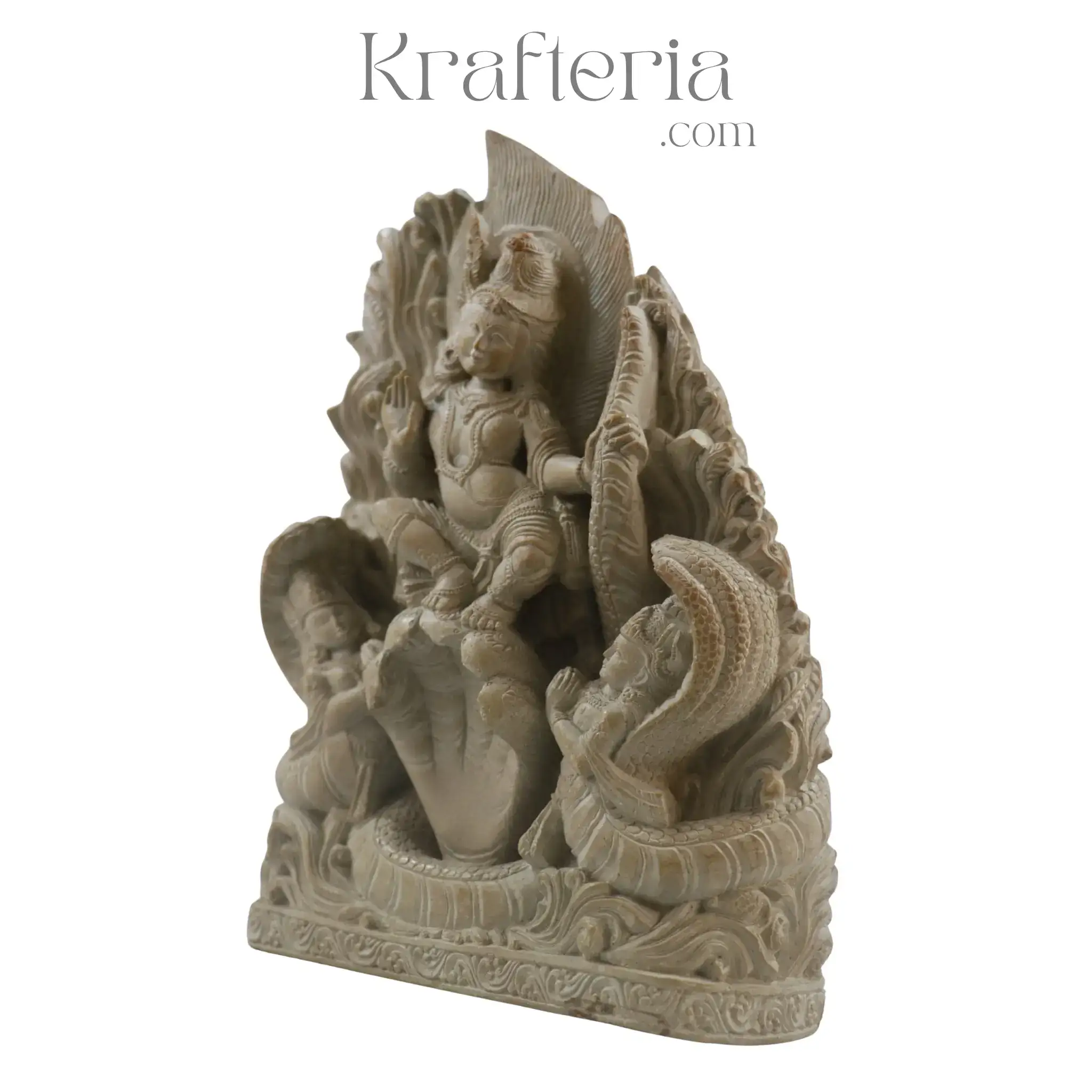
The Krishna Idol on Snake depicts the divine moment of Krishna subduing the serpent Kaliya. This scene is popularly known as Kaliya Mardan. The sculpture illustrates Krishna standing gracefully on the multi-headed snake, symbolizing triumph and protection. It is not merely a religious icon but also an emblem of the supreme artistry of Pallava sculptors.
The depiction of Krishna in this artwork holds deep symbolic meaning. It represents divine protection and courage. Many seek to buy Krishna statue online inspired by such masterpieces. The Krishna Idol on Snake also serves as a cultural link connecting ancient mythology with modern devotional practice.
Architectural Marvels of Mahabalipuram
- Rock-cut architecture that showcases intricate carvings and imposing designs
- Monolithic rathas, or chariot-shaped temples, which are carved from single stone blocks
- Cave temples, also known as mandapas, featuring detailed bas-relief sculptures
- Famous bas-reliefs such as “Descent of the Ganges” and “Arjuna’s Penance”
- The Shore Temple, one of the earliest structural temples built entirely of granite
Artistic Features of Krishna Idols on Snake
The Krishna Idol on Snake is distinguished by its intricate carvings and graceful design. Pallava sculptors combined naturalism with idealism in this artwork. The lively expressions and poised postures convey both narrative and emotion. The sculpture’s contours flow smoothly, highlighting Krishna’s serene smile and the twisting form of the snake beneath his feet.
This dynamic interplay between Krishna and the serpent reflects themes recurring in Hindu temple art across India. The craftsmanship seen in this statue has inspired many subsequent creations and remains a key reference in traditional art.
Historical Context and Influence
The period during which the sculpture was created saw Pallava rulers promote religious and devotional art intensely. The Kaliya Mardan Krishna statue is one of many significant depictions that emerged under their patronage. It highlights divine narratives intended to support religious devotion and cultural identity.
The influence of this iconic Krishna idol is visible in later South Indian temple sculptures. It continues to shape religious art traditions and is held in high regard by devotees and art historians alike.
Artistic Legacy and Modern Relevance
Artworks like the Krishna Idol on Snake inspire both artists and devotees even today. The tradition of creating Krishna idols for ceremonial and personal worship thrives. Devotees eager to find a Krishna idol for home pooja often prefer statues based on classic designs like this one.
Additionally, the Krishna statue for vastu holds cultural significance in balancing spiritual and physical energies within homes. Enthusiasts searching for a Janmashtami Krishna sculpture or a Krishna defeating snake idol often find this representation especially meaningful during festival celebrations.
In summary, the Krishna Sculpture on Snake connects ancient craftsmanship with current devotional expressions. It remains a timeless symbol of faith, artistry, and cultural heritage.
Product Information
Product Information
Shipping & Returns
Shipping & Returns
Description
Mahabalipuram, also known as Mamallapuram, is a significant historic and archaeological site located in Tamil Nadu, India. The region is renowned for its unique art and architecture from the Pallava period. This era flourished especially under the reigns of Mahendravarman and Narasimhavarman, dating back to the 7th and 8th centuries CE. One of the most exquisite highlights of this period is the Krishna Sculpture on Snake, a testament to the incredible skill of Pallava sculptors.
The Pallava period, spanning the 7th to 8th century CE, was marked by innovative artistic achievements. The dynasty, under rulers such as Mahendravarman (c. 600–630 CE) and Narasimhavarman I (Mamalla) (c. 630–668 CE), encouraged religious and cultural art. Mahabalipuram was named after Narasimhavarman I, reflecting his influence on the region’s artistic heritage. The Kaliya Mardan Krishna statue is a perfect example showcasing this rich cultural era.
This sculpture measures approximately 8.5 inches in height, 5.5 inches in width, and 2 inches in length. It is crafted in soft stone and beautifully captures the essence of the Pallava artistic style.
Significance of Krishna Sculpture on Snake in Mahabalipuram
The Krishna Idol on Snake depicts the divine moment of Krishna subduing the serpent Kaliya. This scene is popularly known as Kaliya Mardan. The sculpture illustrates Krishna standing gracefully on the multi-headed snake, symbolizing triumph and protection. It is not merely a religious icon but also an emblem of the supreme artistry of Pallava sculptors.
The depiction of Krishna in this artwork holds deep symbolic meaning. It represents divine protection and courage. Many seek to buy Krishna statue online inspired by such masterpieces. The Krishna Idol on Snake also serves as a cultural link connecting ancient mythology with modern devotional practice.
Architectural Marvels of Mahabalipuram
- Rock-cut architecture that showcases intricate carvings and imposing designs
- Monolithic rathas, or chariot-shaped temples, which are carved from single stone blocks
- Cave temples, also known as mandapas, featuring detailed bas-relief sculptures
- Famous bas-reliefs such as “Descent of the Ganges” and “Arjuna’s Penance”
- The Shore Temple, one of the earliest structural temples built entirely of granite
Artistic Features of Krishna Idols on Snake
The Krishna Idol on Snake is distinguished by its intricate carvings and graceful design. Pallava sculptors combined naturalism with idealism in this artwork. The lively expressions and poised postures convey both narrative and emotion. The sculpture’s contours flow smoothly, highlighting Krishna’s serene smile and the twisting form of the snake beneath his feet.
This dynamic interplay between Krishna and the serpent reflects themes recurring in Hindu temple art across India. The craftsmanship seen in this statue has inspired many subsequent creations and remains a key reference in traditional art.
Historical Context and Influence
The period during which the sculpture was created saw Pallava rulers promote religious and devotional art intensely. The Kaliya Mardan Krishna statue is one of many significant depictions that emerged under their patronage. It highlights divine narratives intended to support religious devotion and cultural identity.
The influence of this iconic Krishna idol is visible in later South Indian temple sculptures. It continues to shape religious art traditions and is held in high regard by devotees and art historians alike.
Artistic Legacy and Modern Relevance
Artworks like the Krishna Idol on Snake inspire both artists and devotees even today. The tradition of creating Krishna idols for ceremonial and personal worship thrives. Devotees eager to find a Krishna idol for home pooja often prefer statues based on classic designs like this one.
Additionally, the Krishna statue for vastu holds cultural significance in balancing spiritual and physical energies within homes. Enthusiasts searching for a Janmashtami Krishna sculpture or a Krishna defeating snake idol often find this representation especially meaningful during festival celebrations.
In summary, the Krishna Sculpture on Snake connects ancient craftsmanship with current devotional expressions. It remains a timeless symbol of faith, artistry, and cultural heritage.