

Cultural Bullock Cart Wood Inlay – Unique Handcrafted Frame
Bullock Cart Wood Inlay: A Traditional Craft of Karnataka
Mysore rosewood inlay is a traditional craft that originated in Karnataka, India. This art form carries a rich history rooted deeply in the region’s artistic heritage. Influences from Persia are evident, and the craft was patronized by Tipu Sultan and the Wodeyar dynasty. It flourished notably in the town of Srirangapatna during the 18th century, gaining further support from Mysore Maharajas. Bullock Cart Wood Inlay continues to captivate artisans and collectors alike.
These royal patrons commissioned exquisite rosewood and ivory inlay work, especially for the Mysore Palace. The creations showed intricate designs and fine craftsmanship, making Mysore rosewood inlay an admired art form. Over generations, this traditional knowledge has been handed down by skilled artisans.
The Art and Unique Place of Wood Inlay
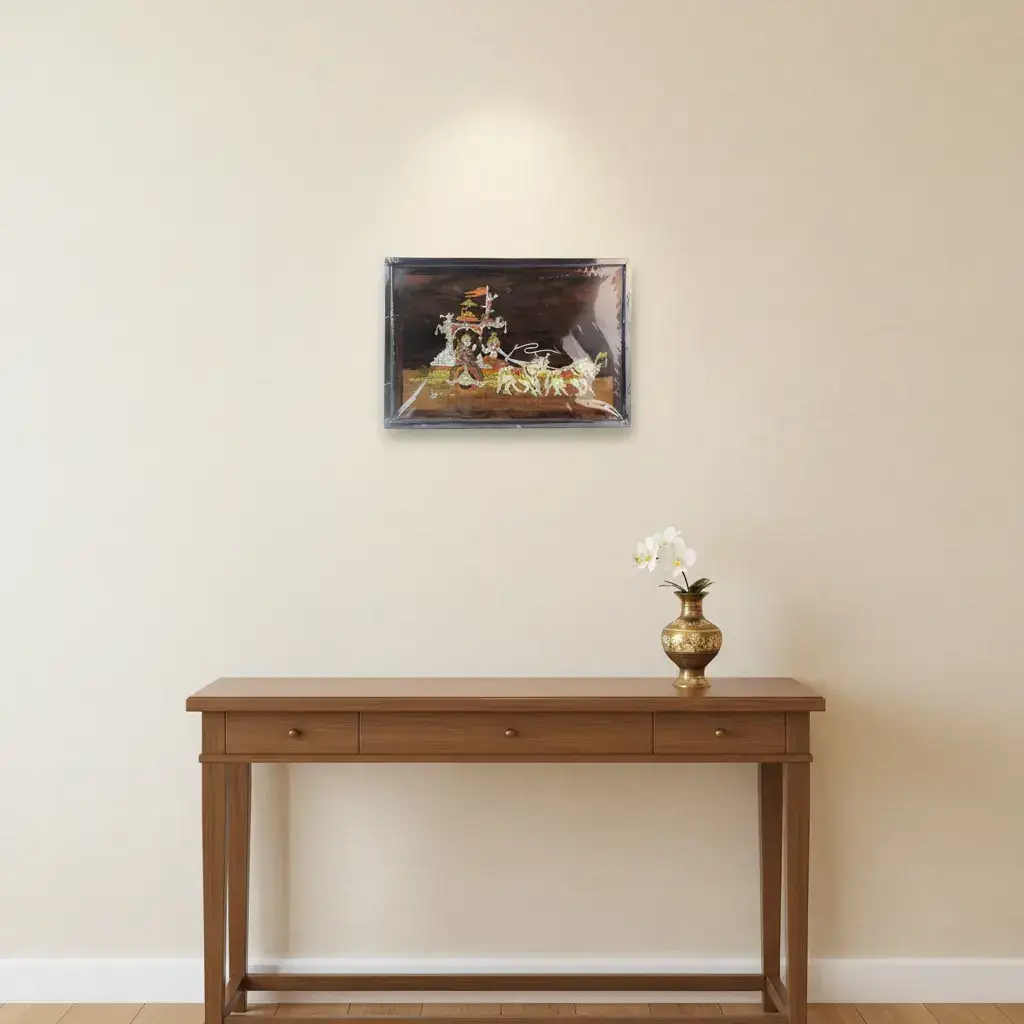
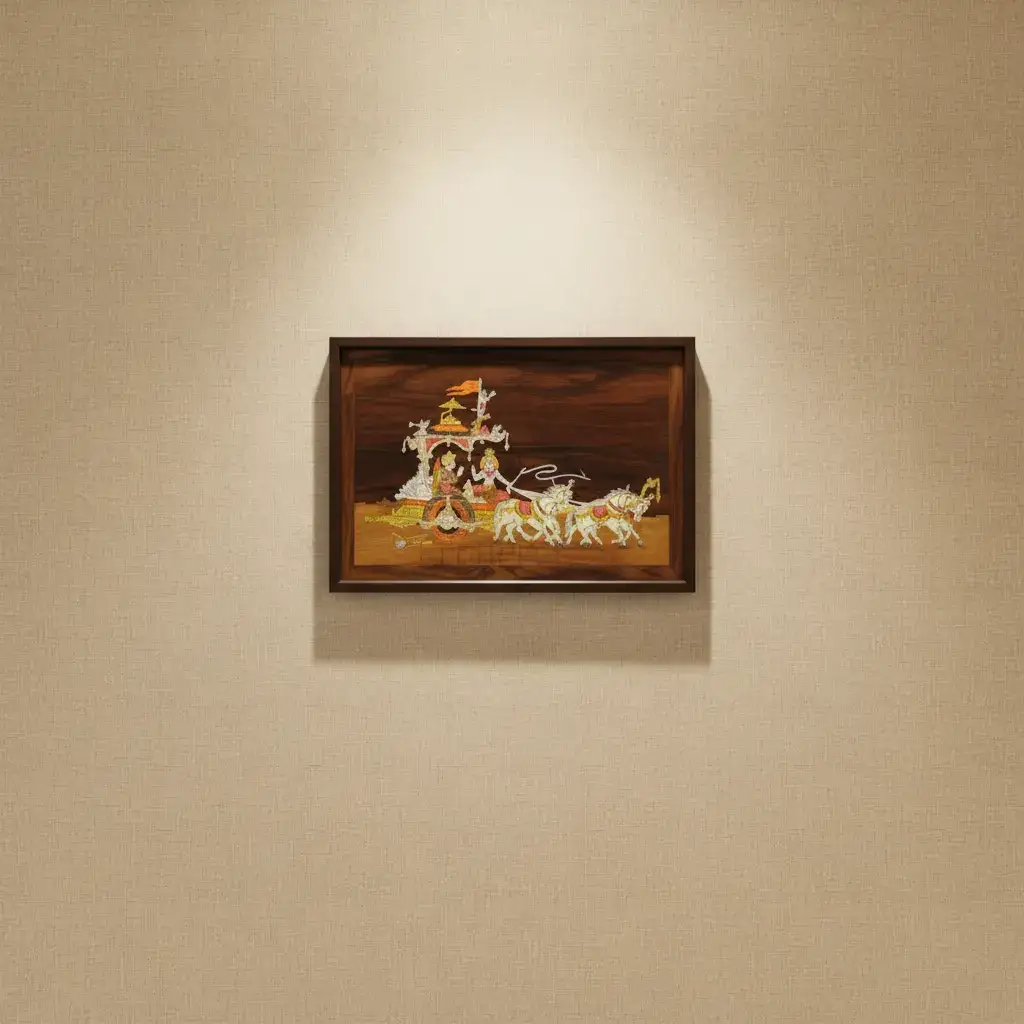
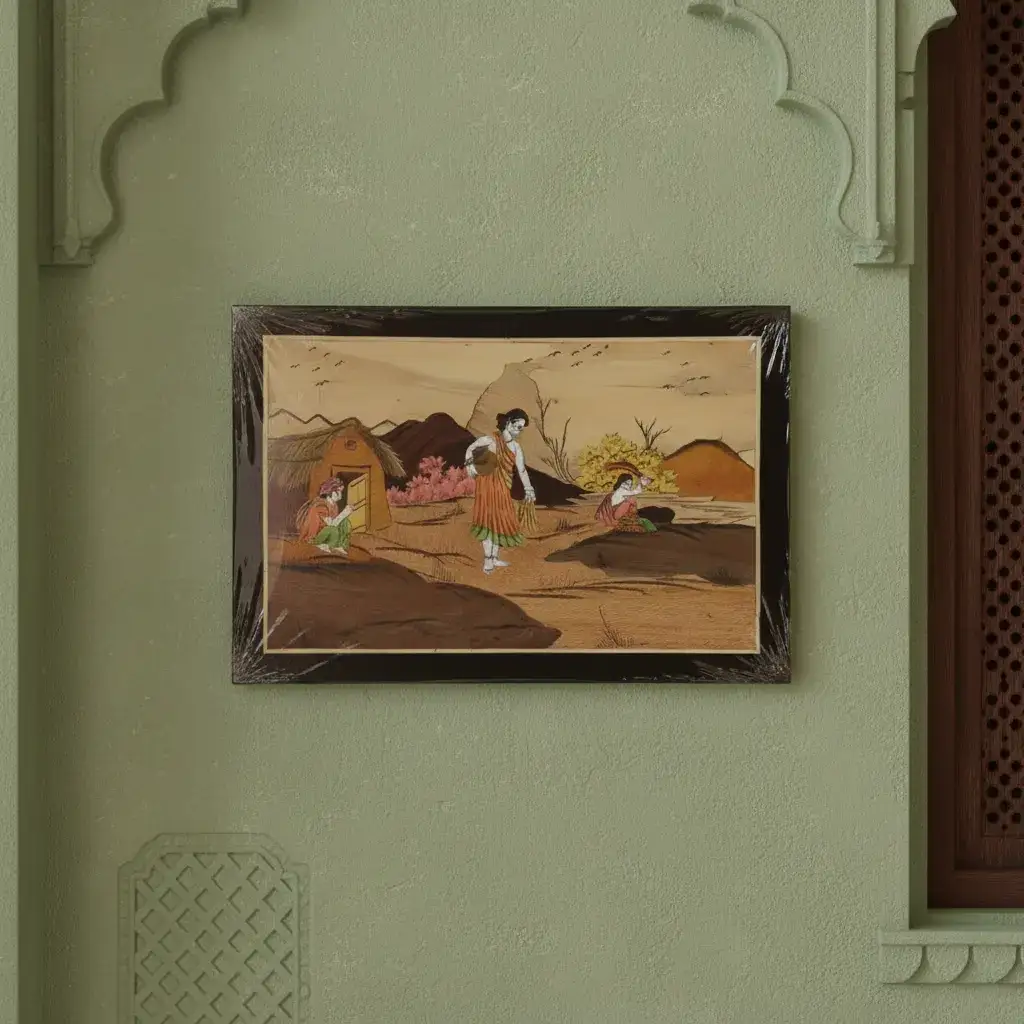
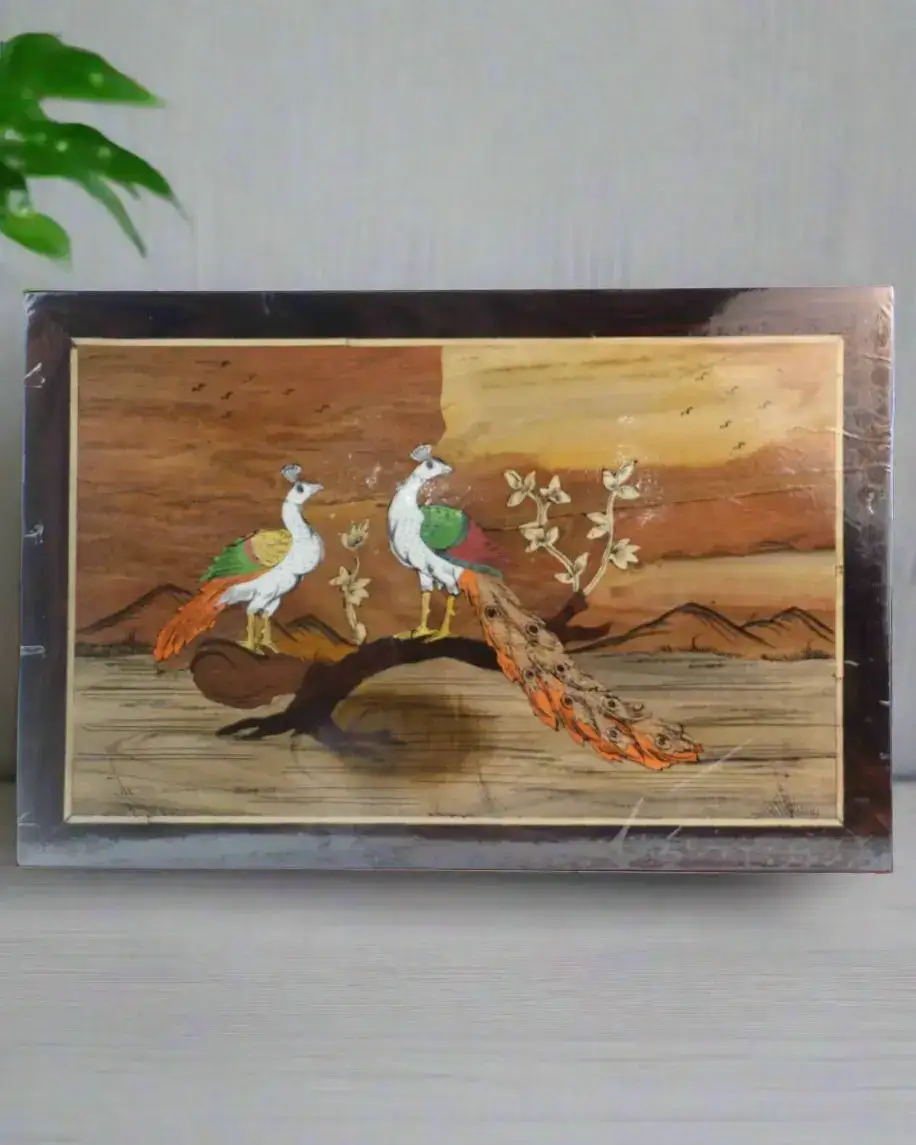
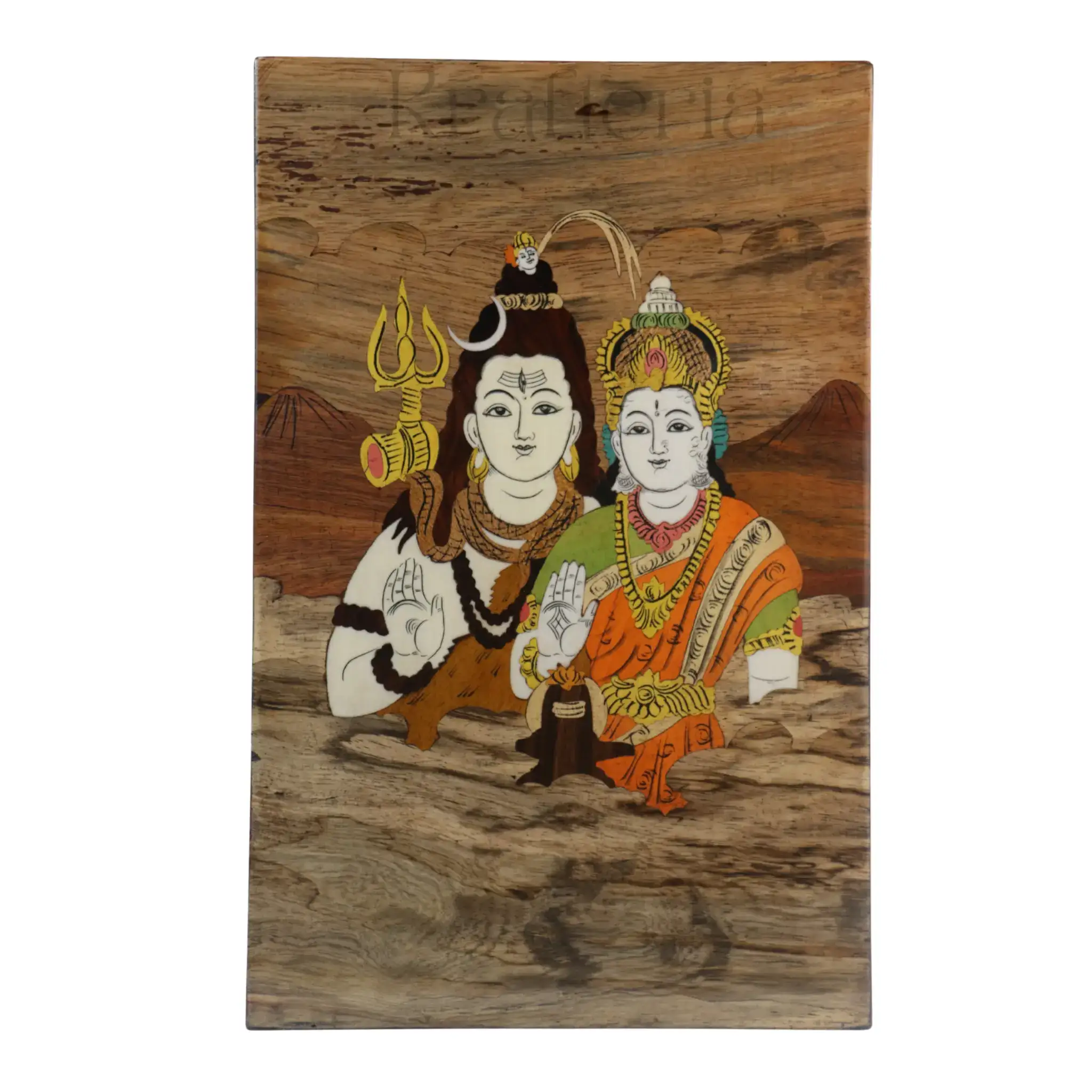
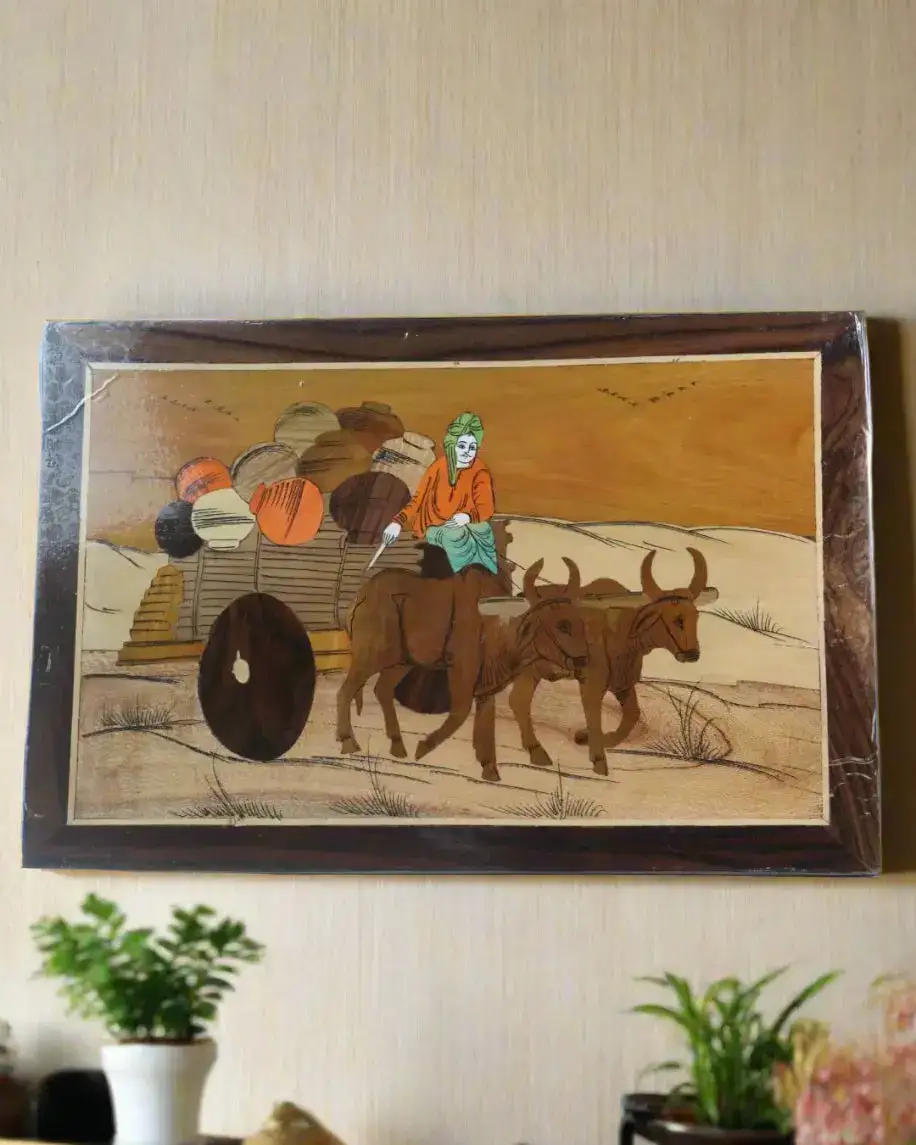
This wood inlay piece often depicts handcrafted scenes featuring a bullock cart. The method involves embedding small pieces of various colored woods and, historically, ivory, into a rosewood base. These carefully cut materials are fitted together to form vivid images that capture rural themes.
This elegant decorative panel exemplifies a broader practice of rosewood inlay. It highlights scenes representing rural life and timeless tradition. Such a charming medium conveys rich cultural narratives gracefully.
The Technique and Design in Bullock Cart Wood Inlay
The creation of this art form begins with selecting premium rosewood as the base. Skilled artisans carefully cut small wood pieces in different shades. These elements are then assembled and embedded with precision to produce detailed patterns and pictorial compositions.
Patience and attention to detail are essential during this work. Every element representing the cart, animals, and figures is crafted meticulously to bring the scenes alive. This care ensures a harmonious composition that reflects both tradition and artistic skill.
Historical and Cultural Significance of the Cart Scene
The bullock cart scene holds symbolic importance within Indian culture. It portrays rural life, simplicity, and the agrarian lifestyle that shaped much of India’s heritage. In inlay art, the cart stands for hard work, traditional values, and a connection to nature.
As a subject, the cart goes beyond mere transportation. It embodies a cultural narrative that enriches the inlay frame, making it a meaningful addition to rustic and ethnic interiors.
Modern Use and Appeal of Bullock Cart Wood Inlay
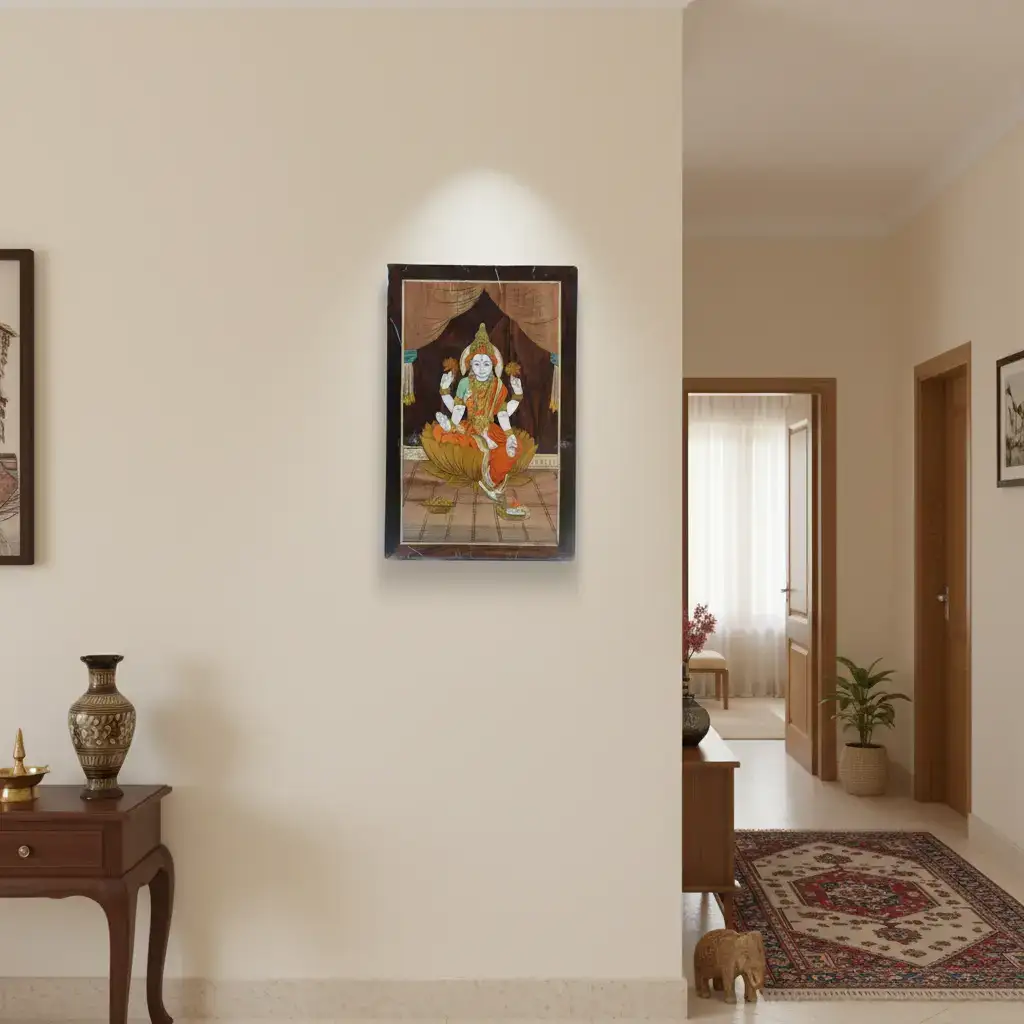
Today, artisans continue to create a broad variety of bullock cart depictions alongside other forms of inlay art. These pieces remain popular with art collectors and home decorators. They enhance living spaces, hallways, and corridors by adding an authentic traditional touch.
The art fits seamlessly into rustic, vintage, and ethnic decor themes. This style evolves with modern tastes while preserving its historical essence. The demand for genuine Mysore rosewood inlay pieces keeps the craft alive and thriving.
Certification and Recognition of Inlay Art
A milestone for this craft, including Wood Inlay, is the Geographical Indication (GI) tag it holds. This recognition confirms the authenticity and unique origin of Mysore rosewood inlay art. It protects the craft and guarantees quality for customers worldwide.
The GI tag highlights the high cultural importance and craftsmanship behind each piece. It reassures buyers they own an original item representing Karnataka’s artistic legacy. Collectors and art enthusiasts highly value this certification.
Choosing the Right Inlay Frame for Your Space
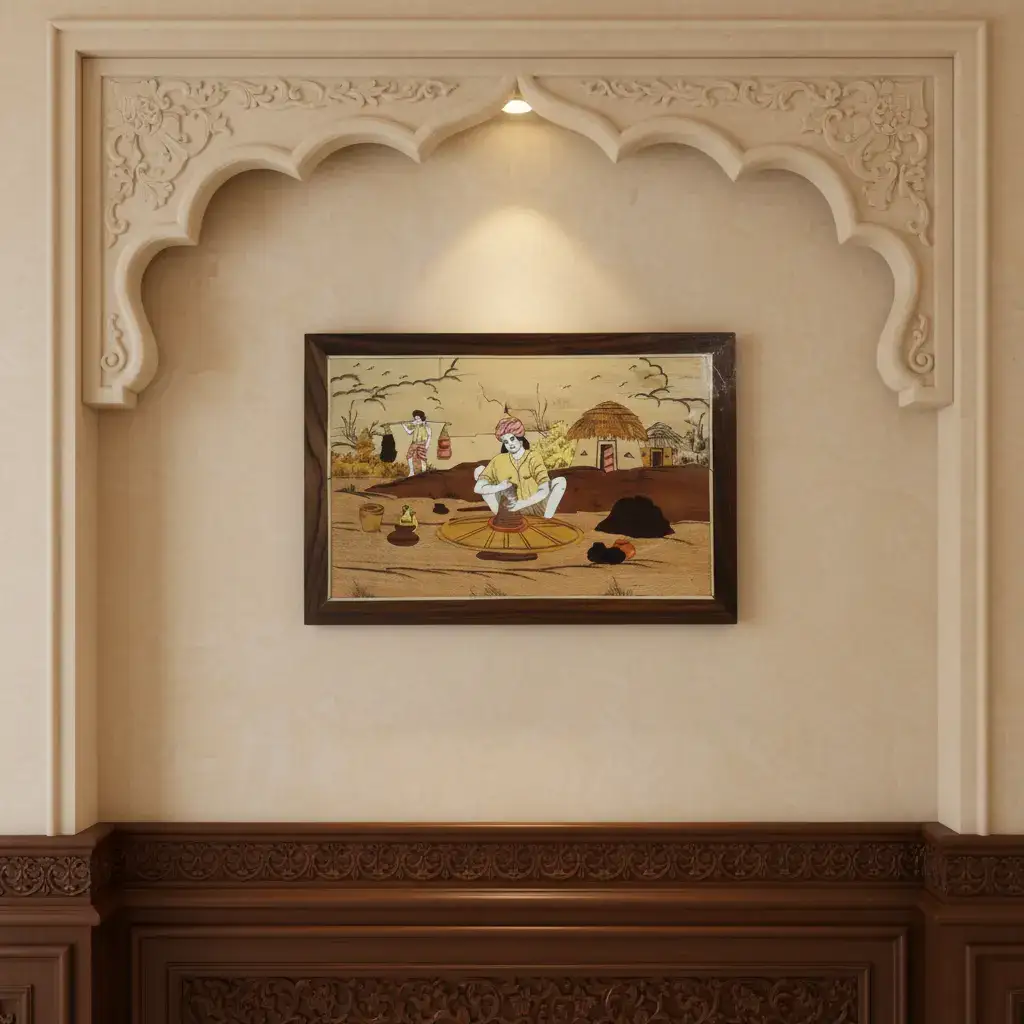
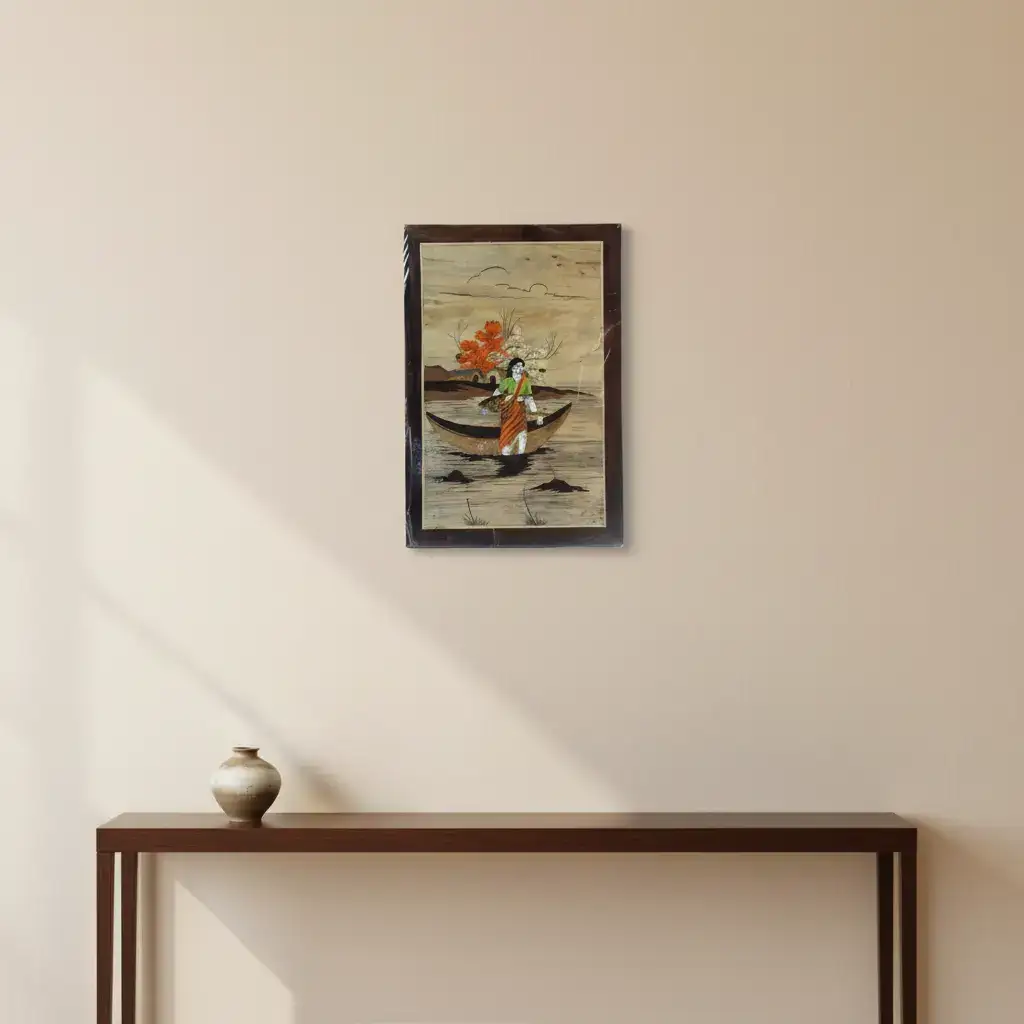
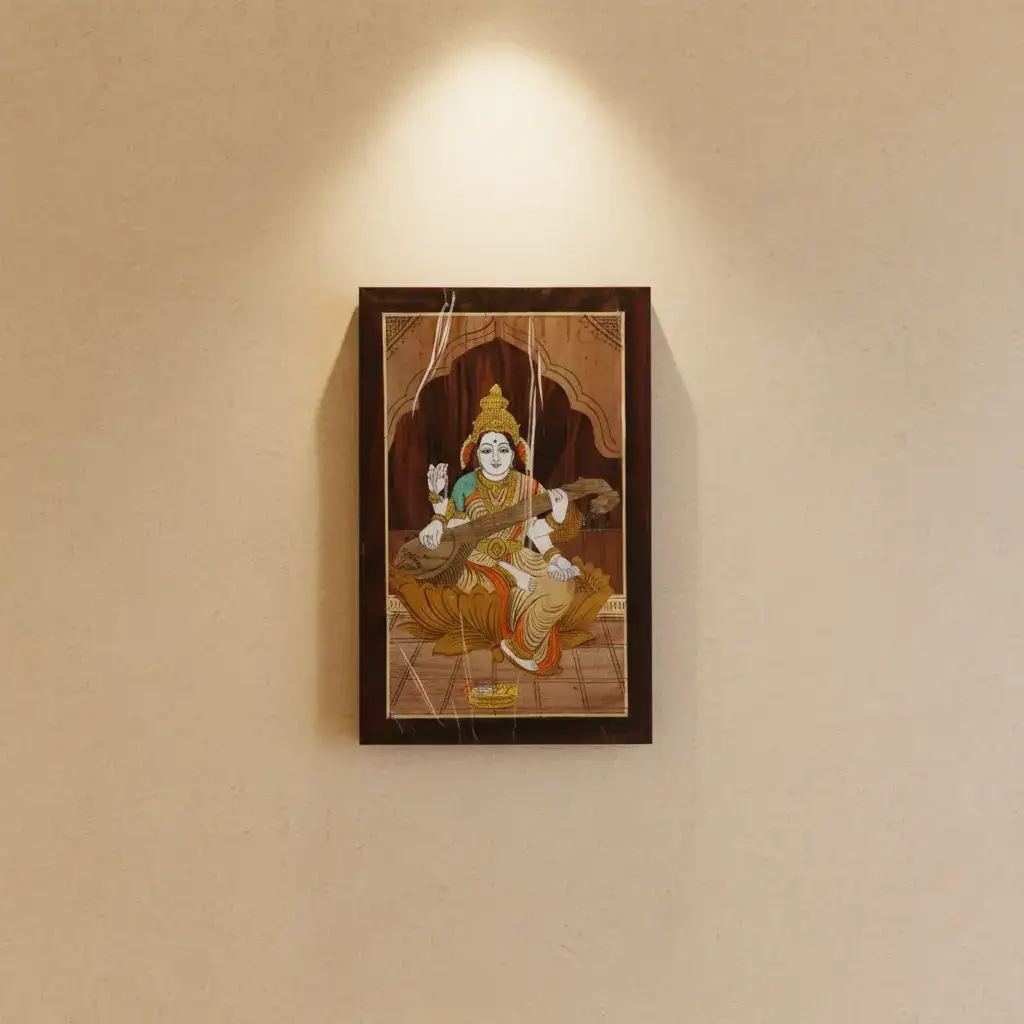
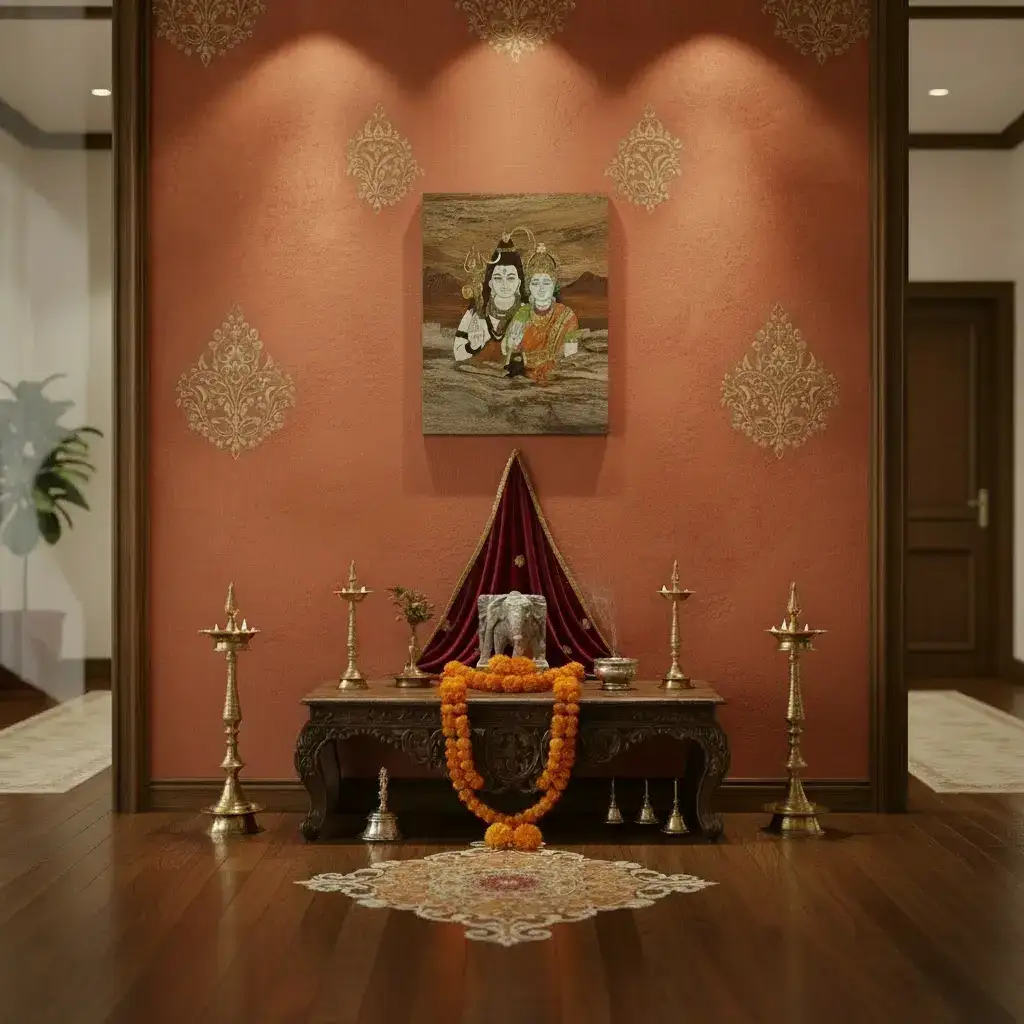
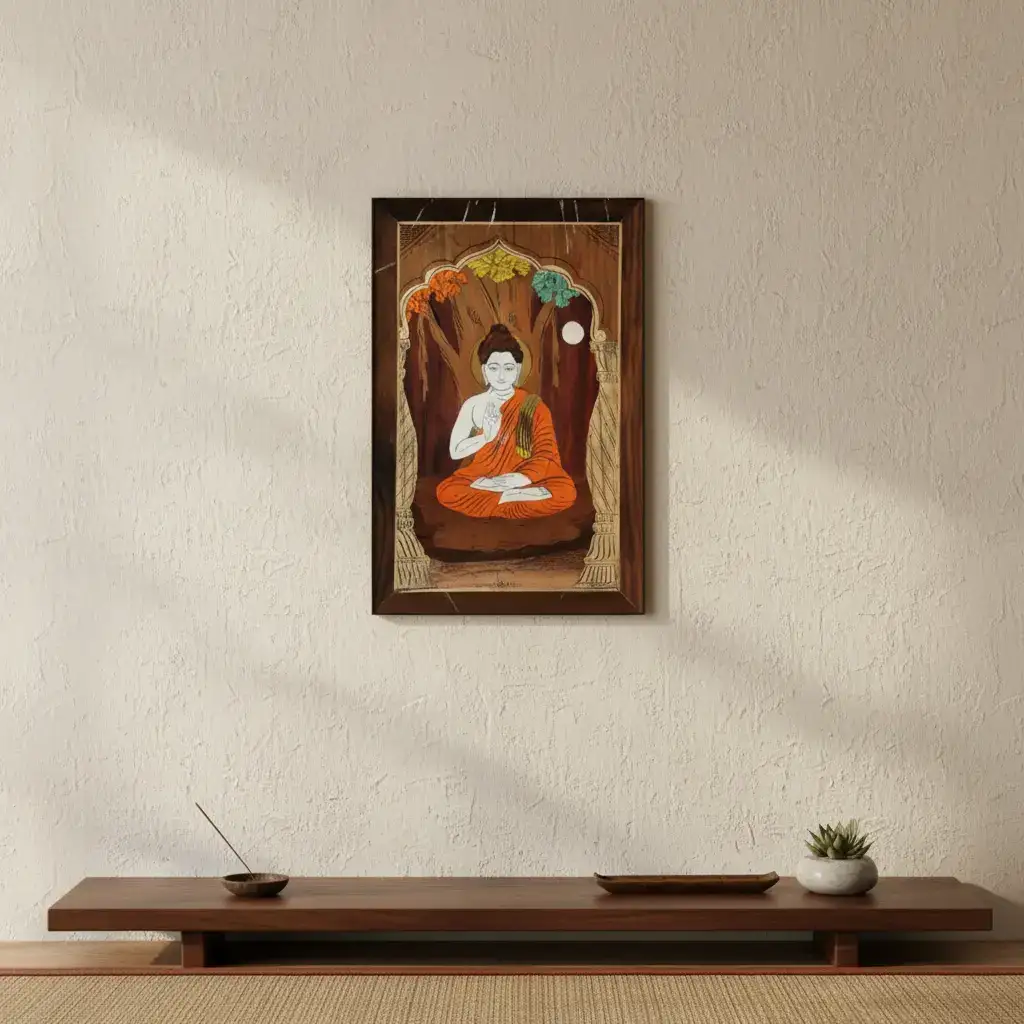
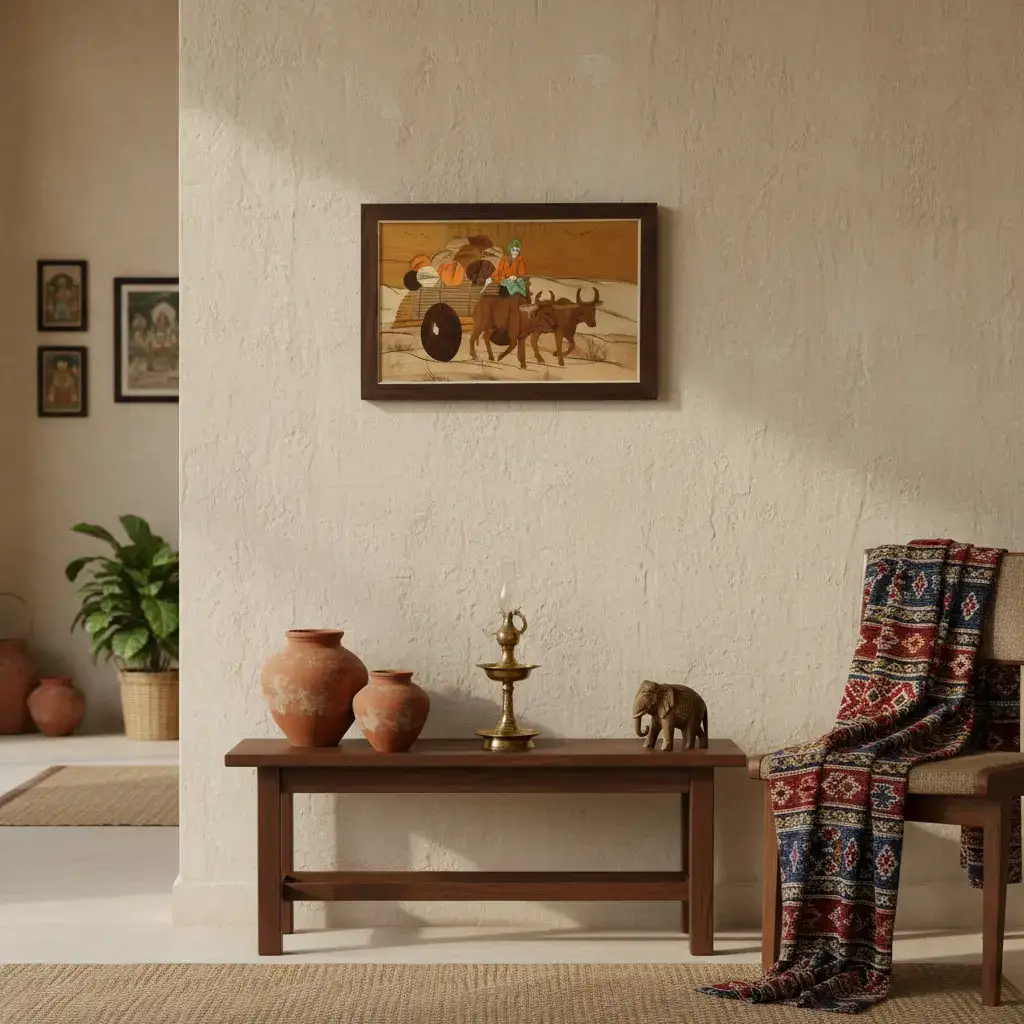
When selecting a Wood Inlay piece or other traditional works, consider room placement and lighting. These wall frames display intricate detail best when properly positioned. A well-chosen cart scene can become a warm and nostalgic focal point.
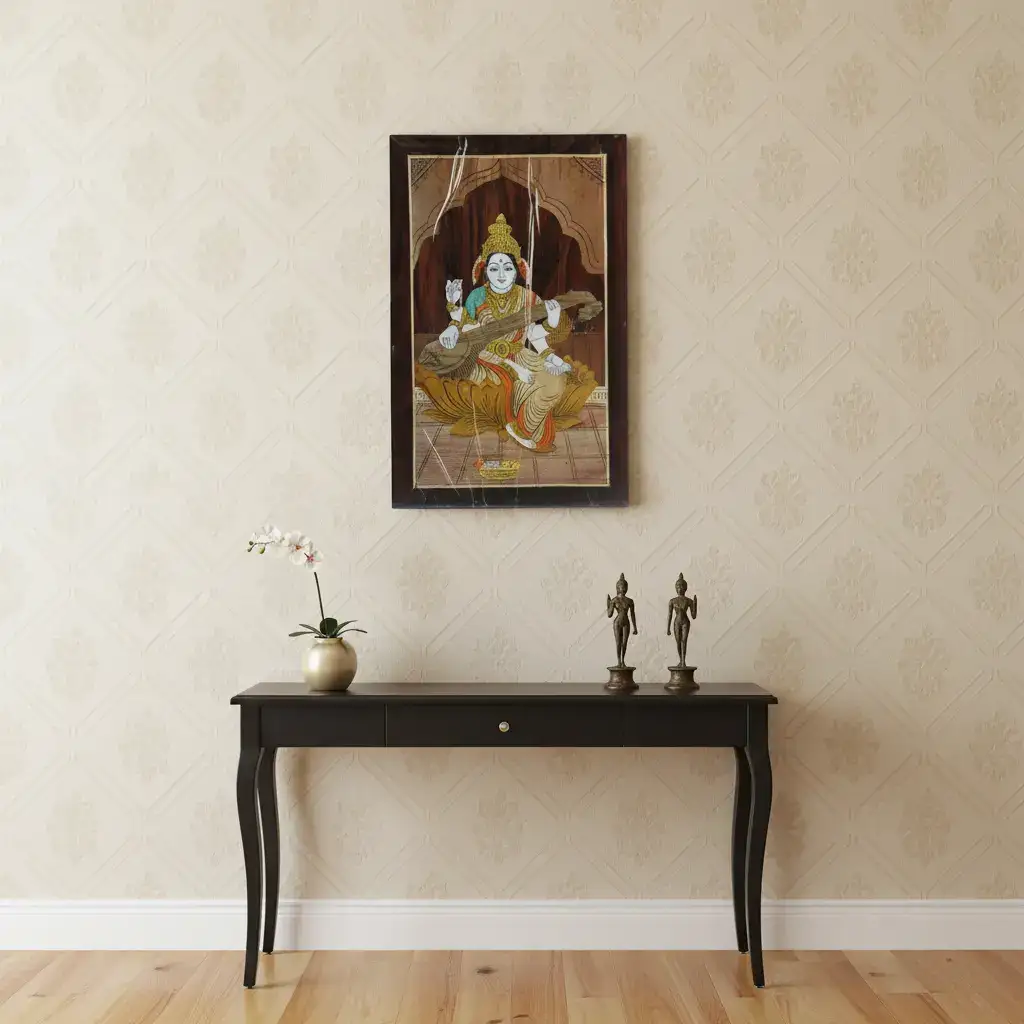
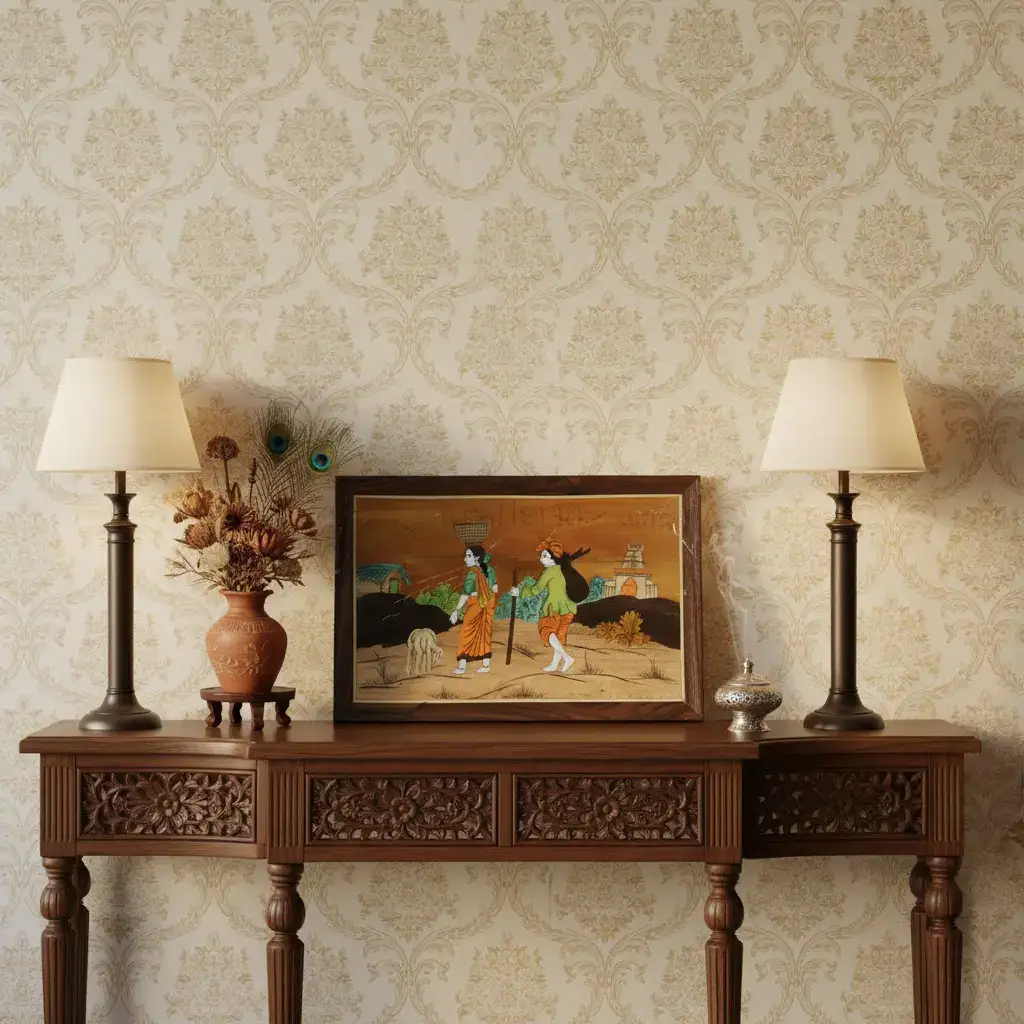
Pair the inlay frame with complementary ethnic or wooden furniture to enhance aesthetics. Natural textures and colors resonate well with handcrafted décor items such as pottery, brass lamps, and woven textiles.
Maintaining Your Wood Inlay
To keep your handcrafted frame in pristine condition, regular dusting and gentle cleaning are advised. Avoid direct sunlight and moisture to preserve wood quality and color vibrancy. Proper care ensures this traditional art remains beautiful for many years.
The craftsmanship and detail found in this piece make it more than just a decorative object. It celebrates heritage, culture, and artistry. This traditional inlay art connects the past with the present through timeless beauty.
Original: $2,299.00
-70%$2,299.00
$689.70Product Information
Product Information
Shipping & Returns
Shipping & Returns
Description
Bullock Cart Wood Inlay: A Traditional Craft of Karnataka
Mysore rosewood inlay is a traditional craft that originated in Karnataka, India. This art form carries a rich history rooted deeply in the region’s artistic heritage. Influences from Persia are evident, and the craft was patronized by Tipu Sultan and the Wodeyar dynasty. It flourished notably in the town of Srirangapatna during the 18th century, gaining further support from Mysore Maharajas. Bullock Cart Wood Inlay continues to captivate artisans and collectors alike.
These royal patrons commissioned exquisite rosewood and ivory inlay work, especially for the Mysore Palace. The creations showed intricate designs and fine craftsmanship, making Mysore rosewood inlay an admired art form. Over generations, this traditional knowledge has been handed down by skilled artisans.
The Art and Unique Place of Wood Inlay
This wood inlay piece often depicts handcrafted scenes featuring a bullock cart. The method involves embedding small pieces of various colored woods and, historically, ivory, into a rosewood base. These carefully cut materials are fitted together to form vivid images that capture rural themes.
This elegant decorative panel exemplifies a broader practice of rosewood inlay. It highlights scenes representing rural life and timeless tradition. Such a charming medium conveys rich cultural narratives gracefully.
The Technique and Design in Bullock Cart Wood Inlay
The creation of this art form begins with selecting premium rosewood as the base. Skilled artisans carefully cut small wood pieces in different shades. These elements are then assembled and embedded with precision to produce detailed patterns and pictorial compositions.
Patience and attention to detail are essential during this work. Every element representing the cart, animals, and figures is crafted meticulously to bring the scenes alive. This care ensures a harmonious composition that reflects both tradition and artistic skill.
Historical and Cultural Significance of the Cart Scene
The bullock cart scene holds symbolic importance within Indian culture. It portrays rural life, simplicity, and the agrarian lifestyle that shaped much of India’s heritage. In inlay art, the cart stands for hard work, traditional values, and a connection to nature.
As a subject, the cart goes beyond mere transportation. It embodies a cultural narrative that enriches the inlay frame, making it a meaningful addition to rustic and ethnic interiors.
Modern Use and Appeal of Bullock Cart Wood Inlay
Today, artisans continue to create a broad variety of bullock cart depictions alongside other forms of inlay art. These pieces remain popular with art collectors and home decorators. They enhance living spaces, hallways, and corridors by adding an authentic traditional touch.
The art fits seamlessly into rustic, vintage, and ethnic decor themes. This style evolves with modern tastes while preserving its historical essence. The demand for genuine Mysore rosewood inlay pieces keeps the craft alive and thriving.
Certification and Recognition of Inlay Art
A milestone for this craft, including Wood Inlay, is the Geographical Indication (GI) tag it holds. This recognition confirms the authenticity and unique origin of Mysore rosewood inlay art. It protects the craft and guarantees quality for customers worldwide.
The GI tag highlights the high cultural importance and craftsmanship behind each piece. It reassures buyers they own an original item representing Karnataka’s artistic legacy. Collectors and art enthusiasts highly value this certification.
Choosing the Right Inlay Frame for Your Space
When selecting a Wood Inlay piece or other traditional works, consider room placement and lighting. These wall frames display intricate detail best when properly positioned. A well-chosen cart scene can become a warm and nostalgic focal point.
Pair the inlay frame with complementary ethnic or wooden furniture to enhance aesthetics. Natural textures and colors resonate well with handcrafted décor items such as pottery, brass lamps, and woven textiles.
Maintaining Your Wood Inlay
To keep your handcrafted frame in pristine condition, regular dusting and gentle cleaning are advised. Avoid direct sunlight and moisture to preserve wood quality and color vibrancy. Proper care ensures this traditional art remains beautiful for many years.
The craftsmanship and detail found in this piece make it more than just a decorative object. It celebrates heritage, culture, and artistry. This traditional inlay art connects the past with the present through timeless beauty.