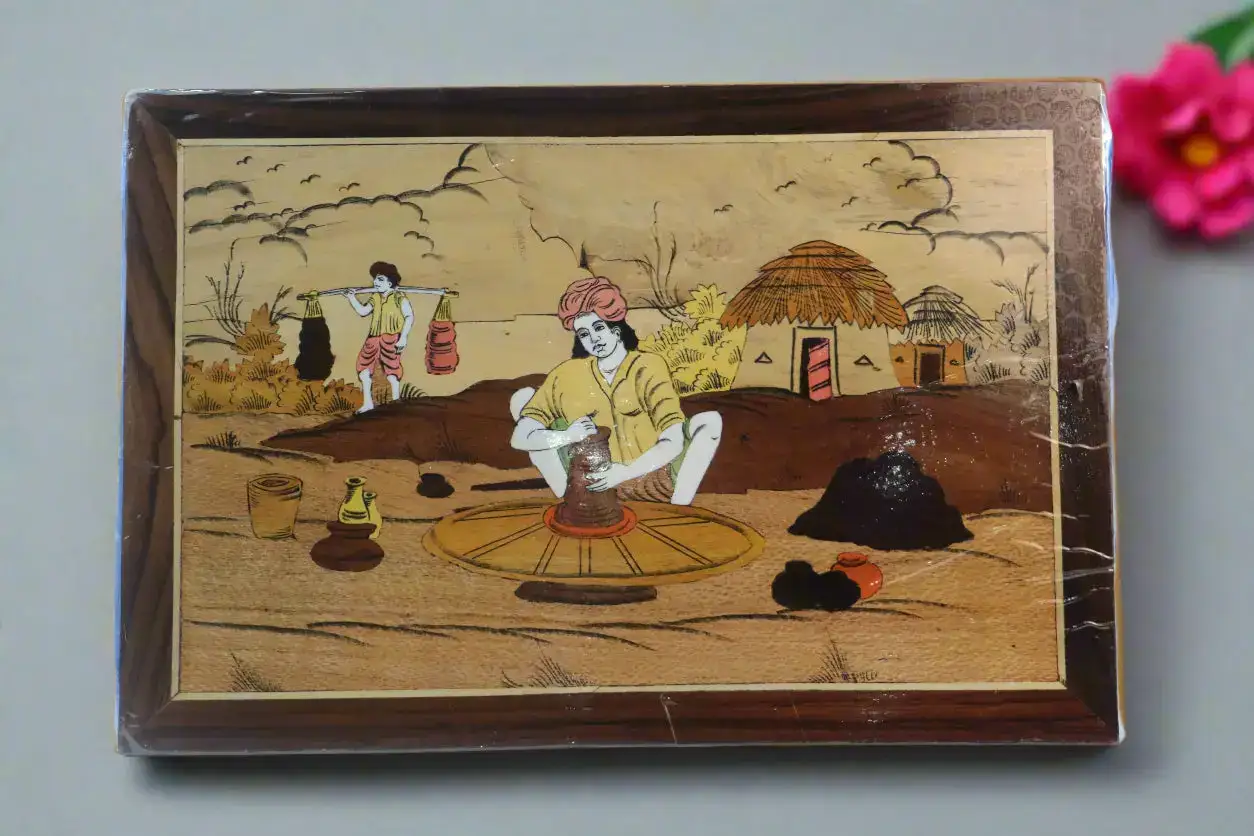
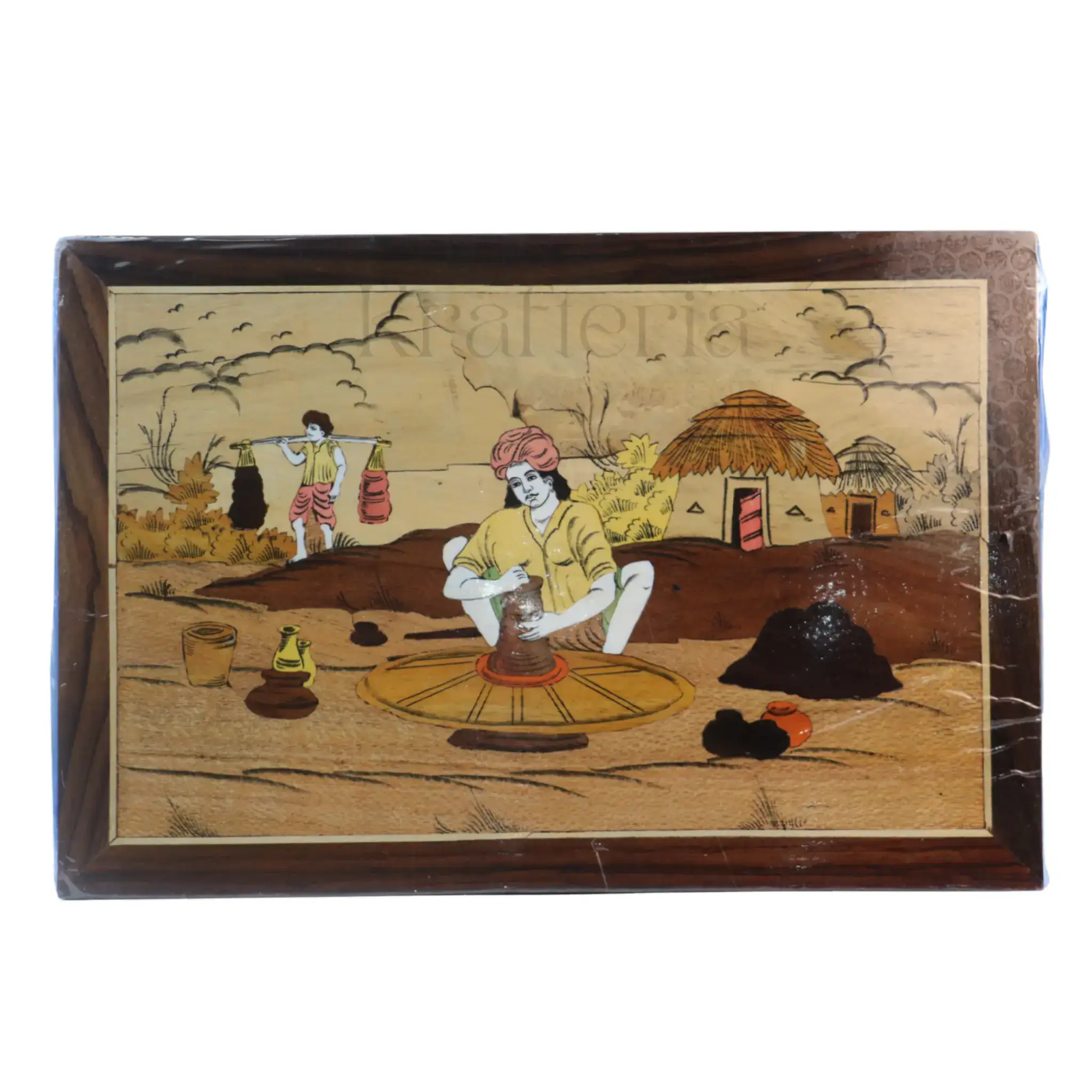
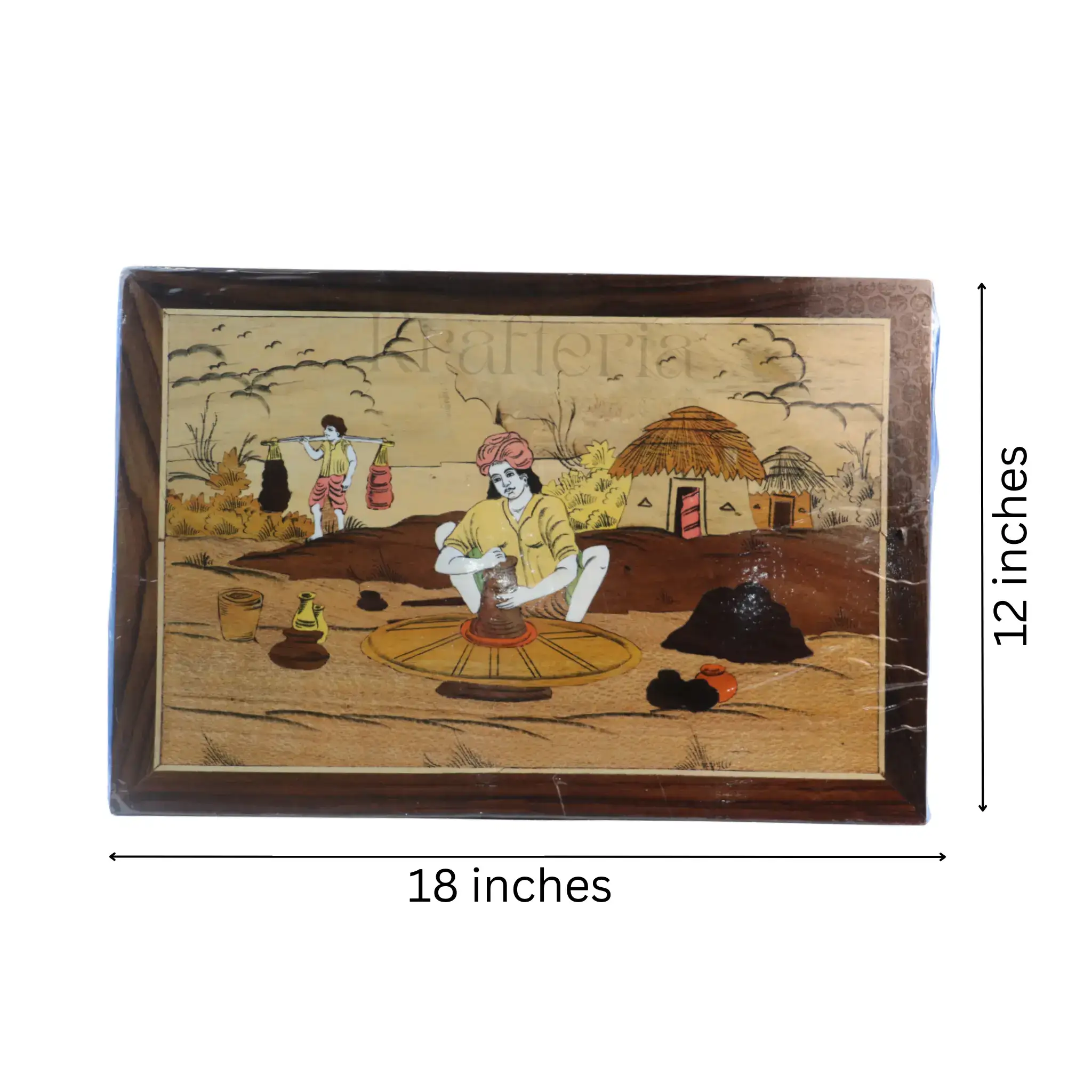
Pottery Pot Making Wooden Inlay Frame – South Indian Handmade Masterpiece
Mysore rosewood inlay is a traditional craft rooted deeply in Karnataka’s rich artistic heritage. This craft reflects influences from Persia and enjoyed patronage from Tipu Sultan and the Wodeyar dynasty. It flourished during the 18th century, especially in Srirangapatna. The Mysore Maharajas further promoted this craft by commissioning exquisite rosewood and ivory inlay works for the Mysore Palace. This artistic legacy closely connects with the craft of Pot Making Wooden Inlay, which shares strong cultural and artistic ties with the traditional wooden crafts of the region.
The Art Form: Pot Making Wooden Inlay Traditions
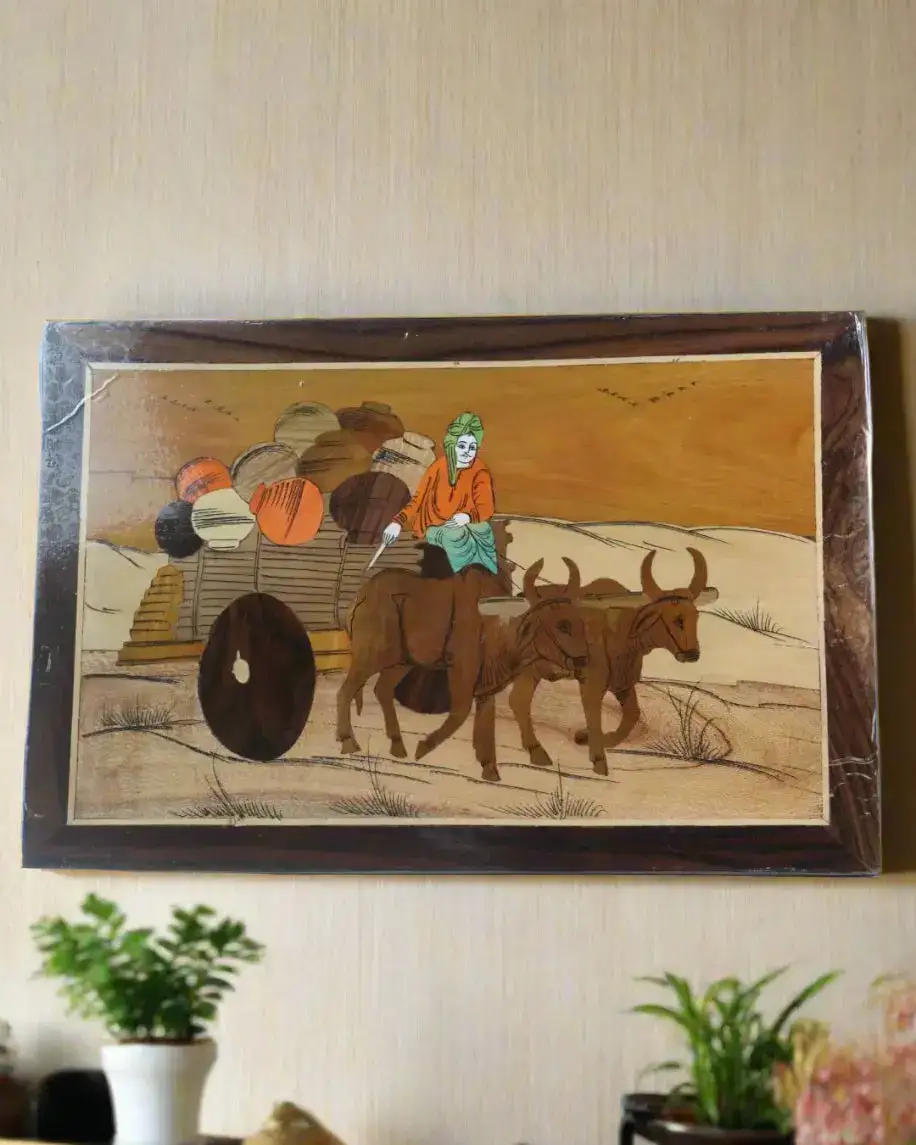
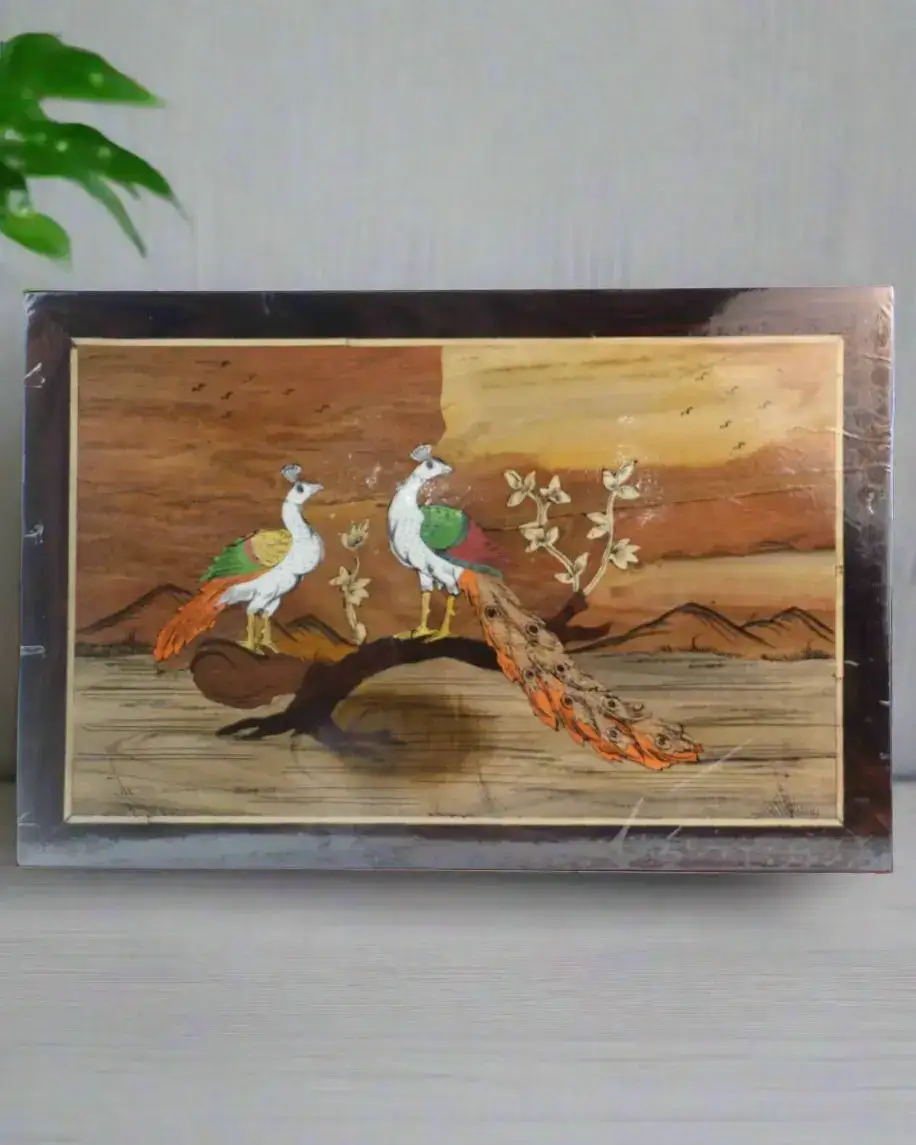
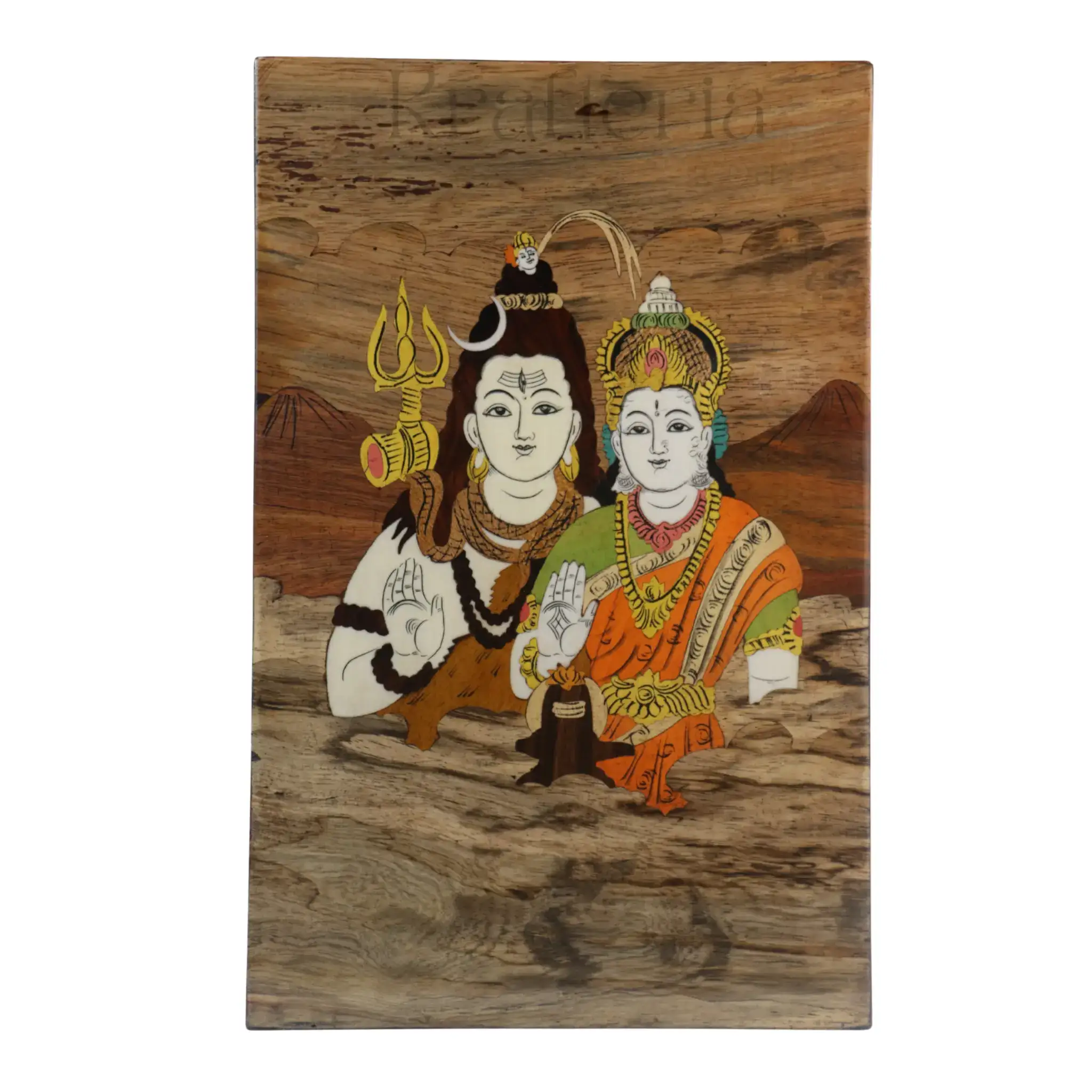
Mysore rosewood inlay involves the delicate embedding of colored wood pieces, and historically, ivory, into a rosewood base to create intricate and detailed designs. Similarly, Pot Making Wooden Inlay applies this technique to pot surfaces, crafting unique visuals with wooden inlays. Skilled artisans carefully embed wooden pieces into pots, creating delicate patterns. This decorative method enhances wooden pots by combining artistic beauty with practical use.
The technique requires seamless fitting and smooth finishing, reflecting generations of passed-down expertise. Each pot’s surface becomes a canvas, with the delicate inlay work providing both texture and color contrast. This process is a testament to the artisans' precision, patience, and artistic creativity, preserving centuries-old traditions.
The Role of Frames in Craftsmanship
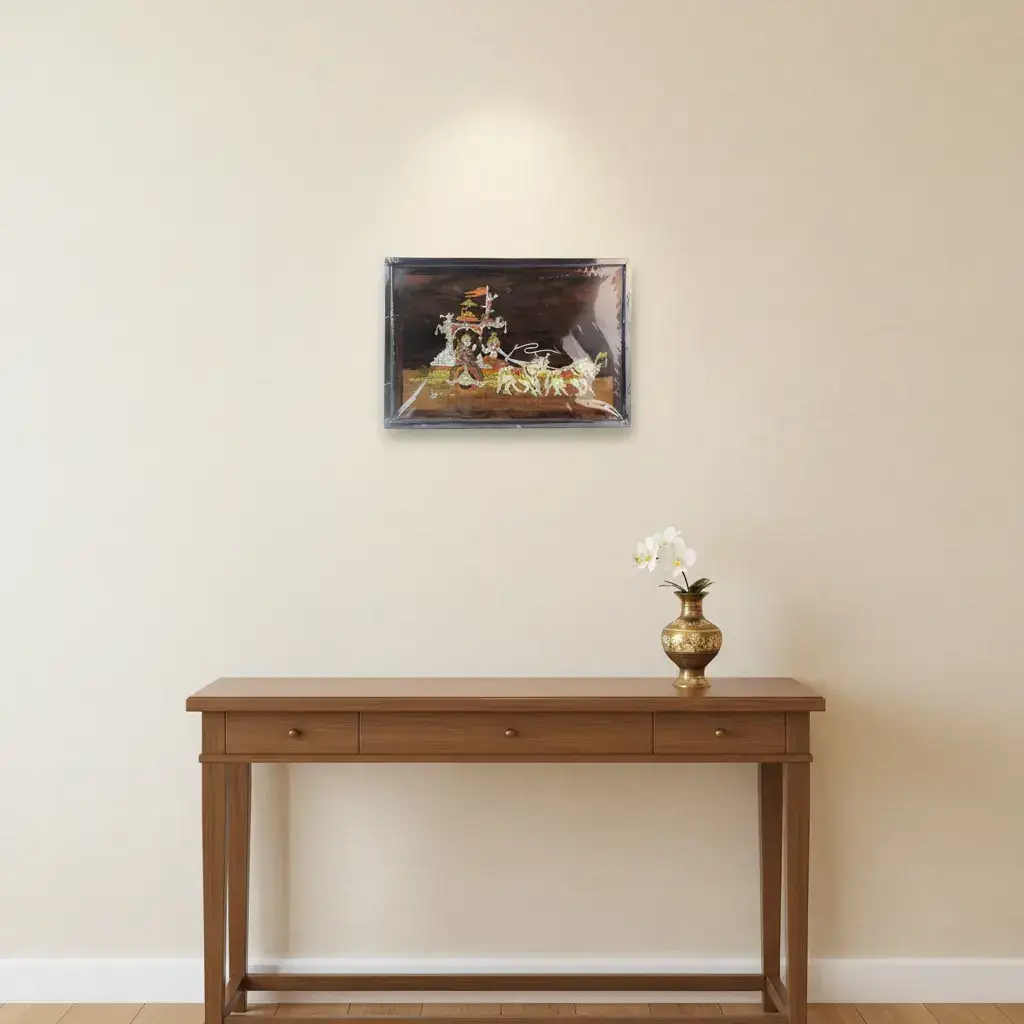
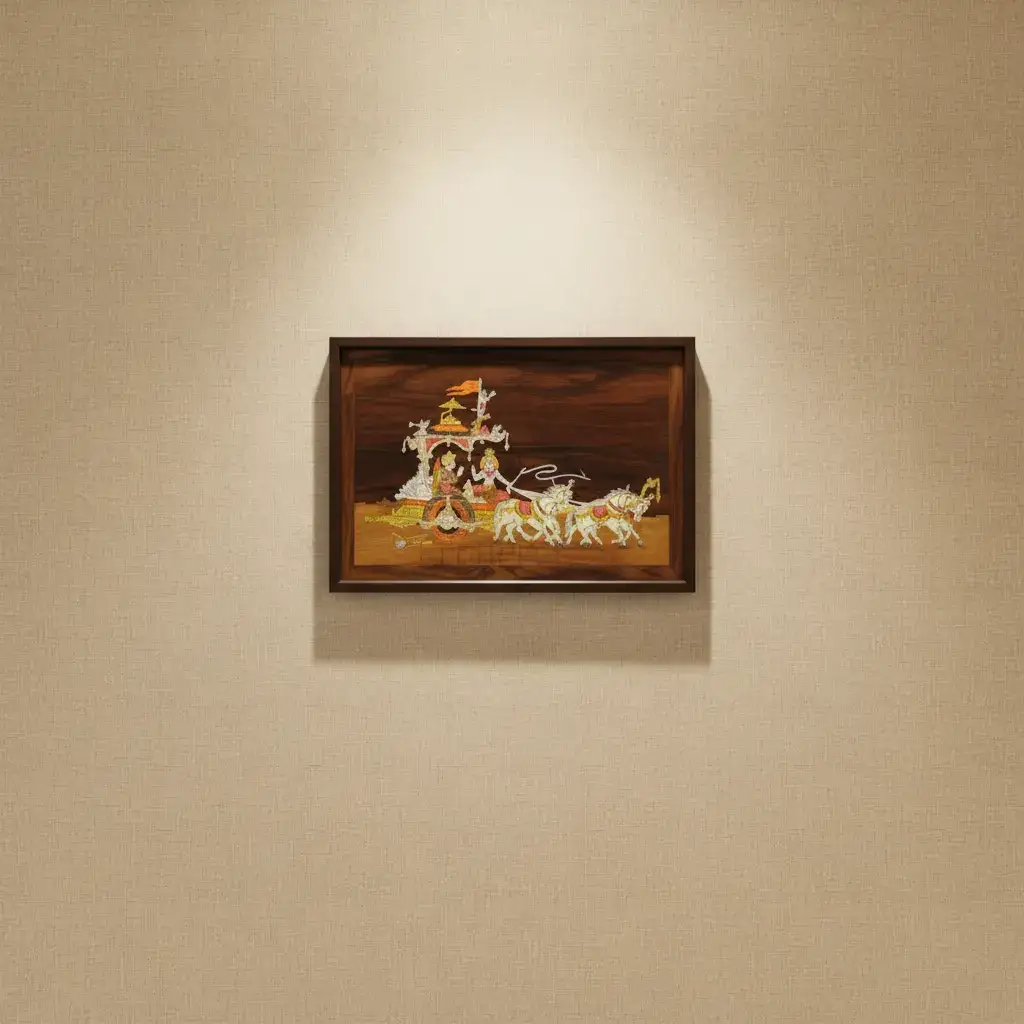
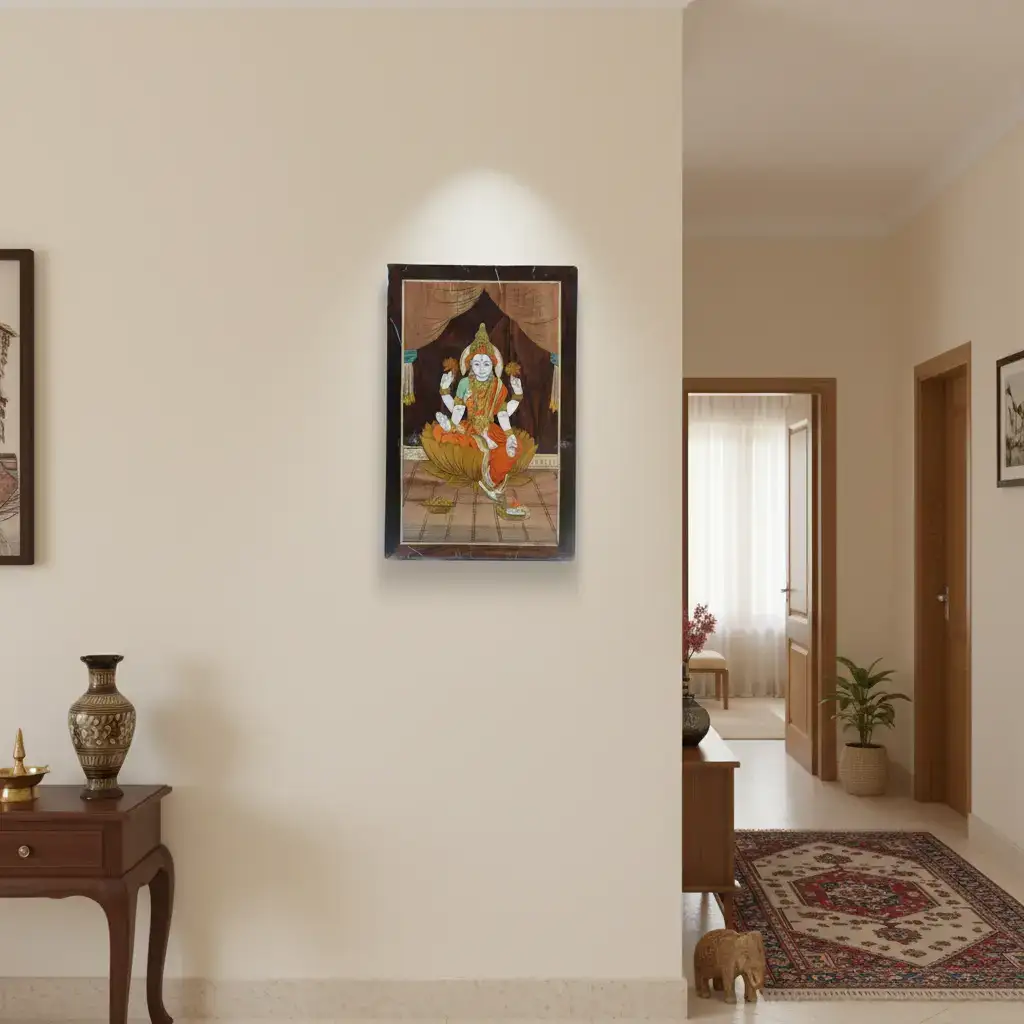
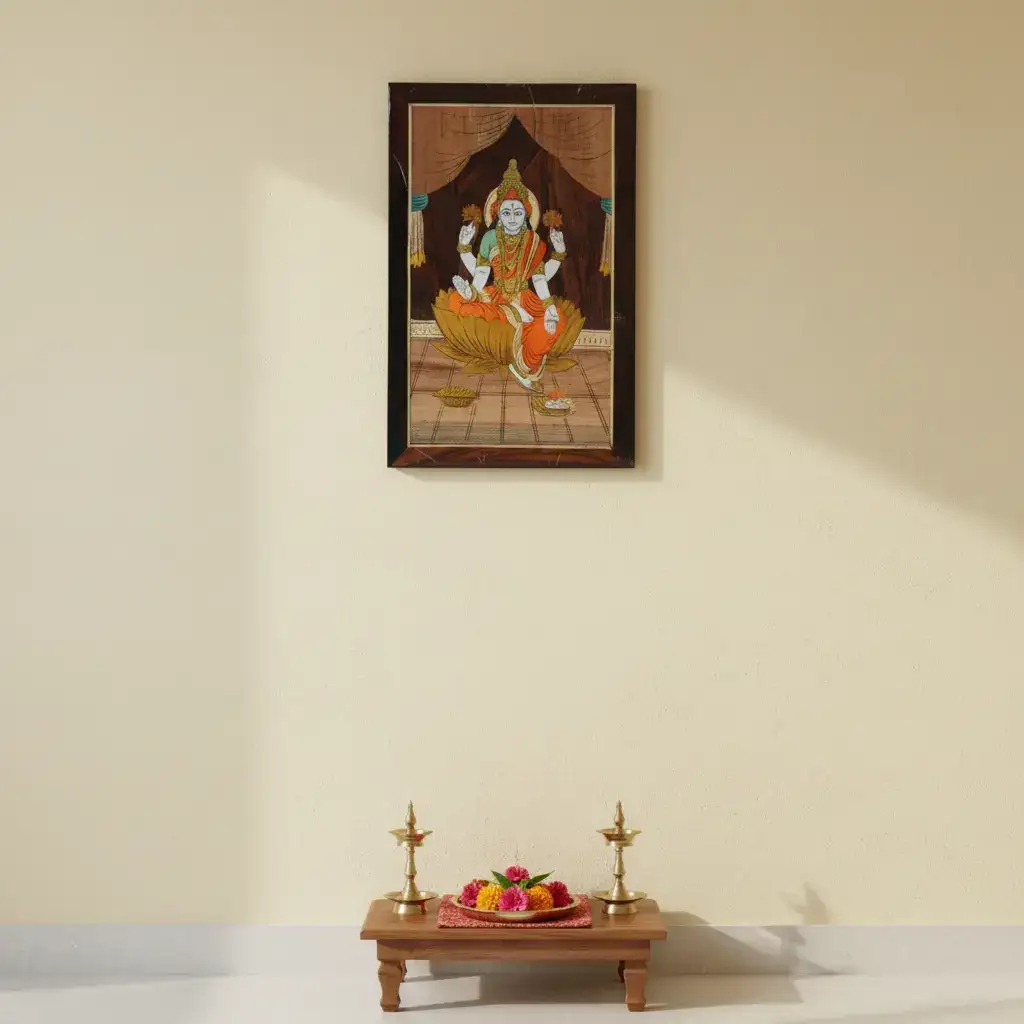
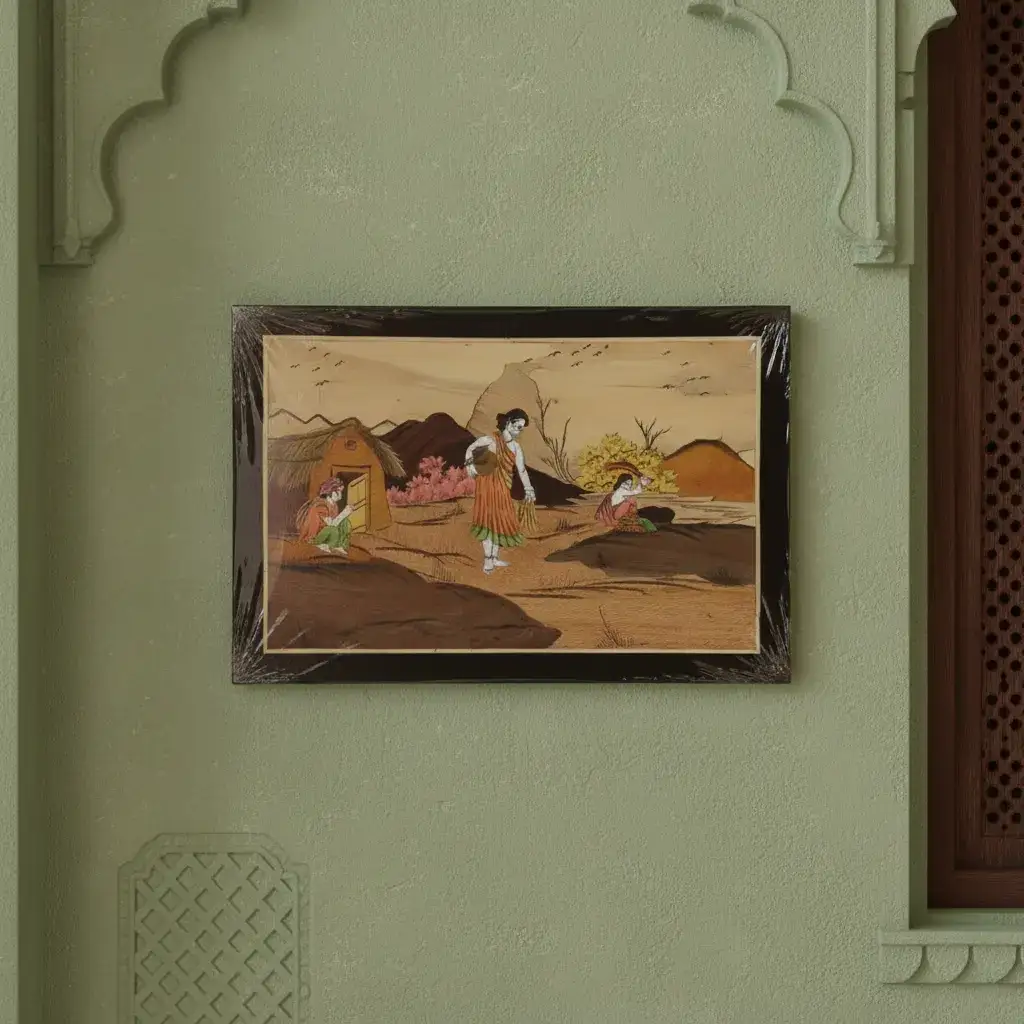
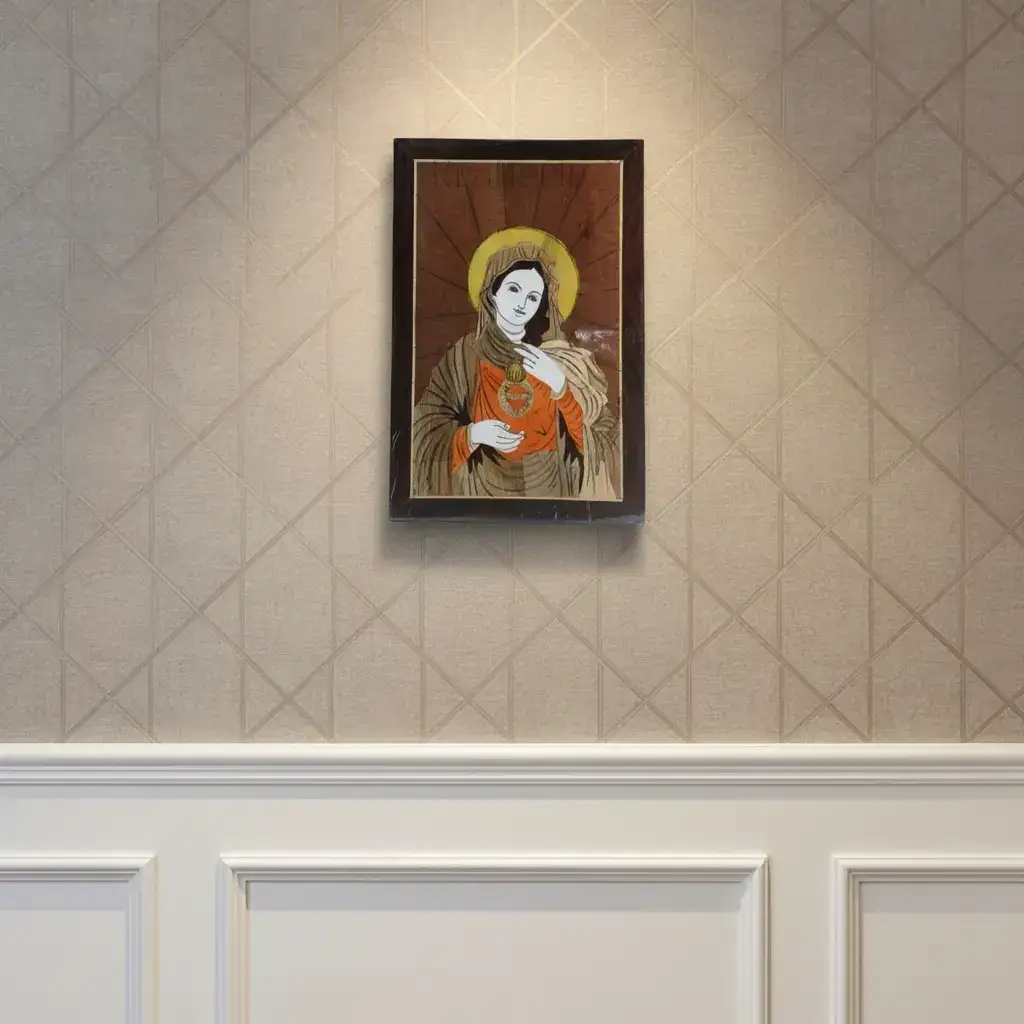
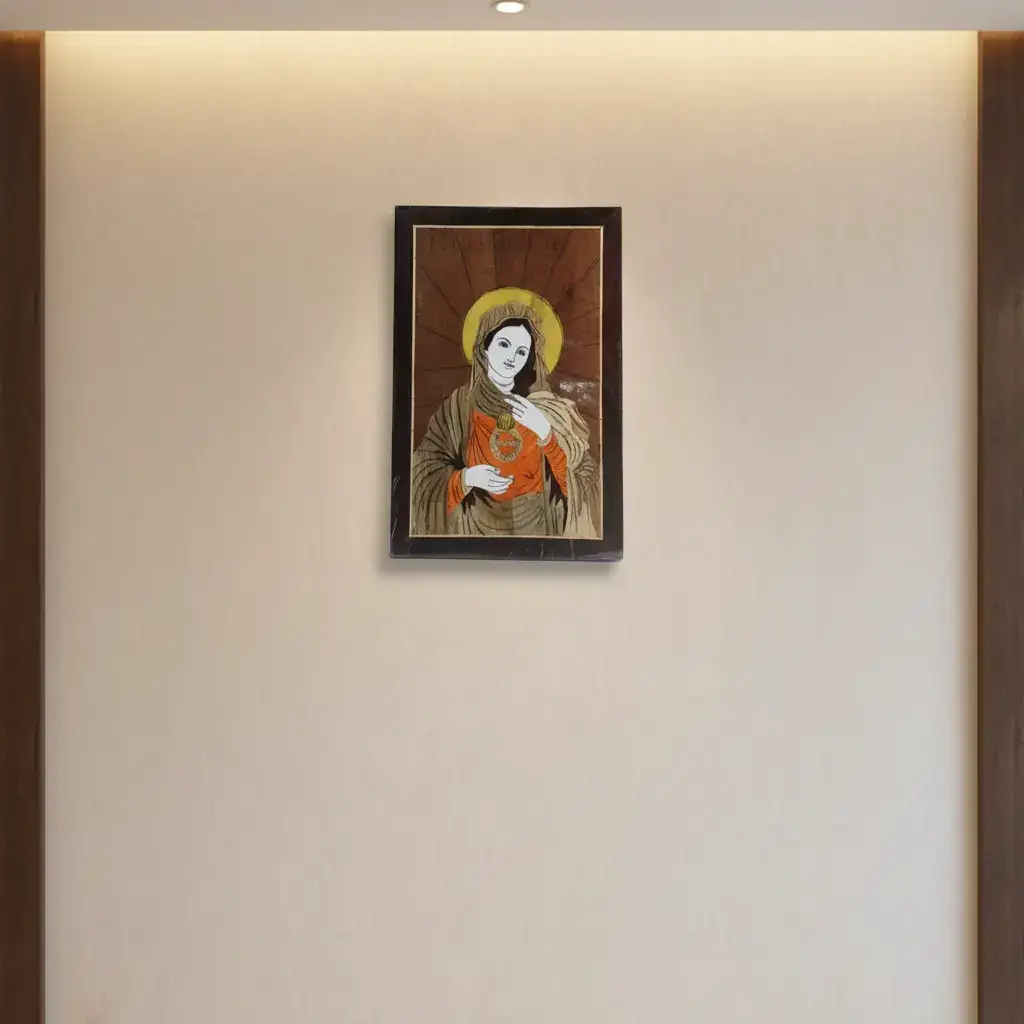
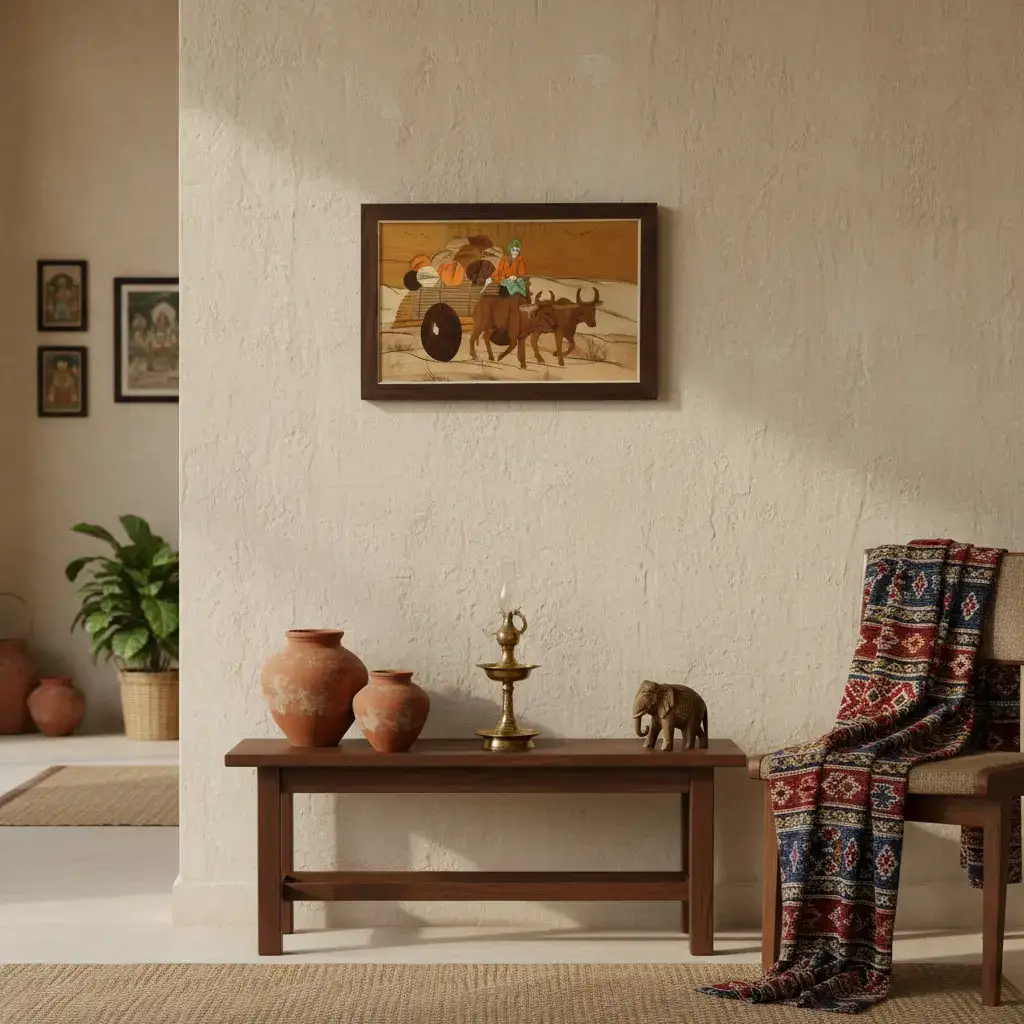
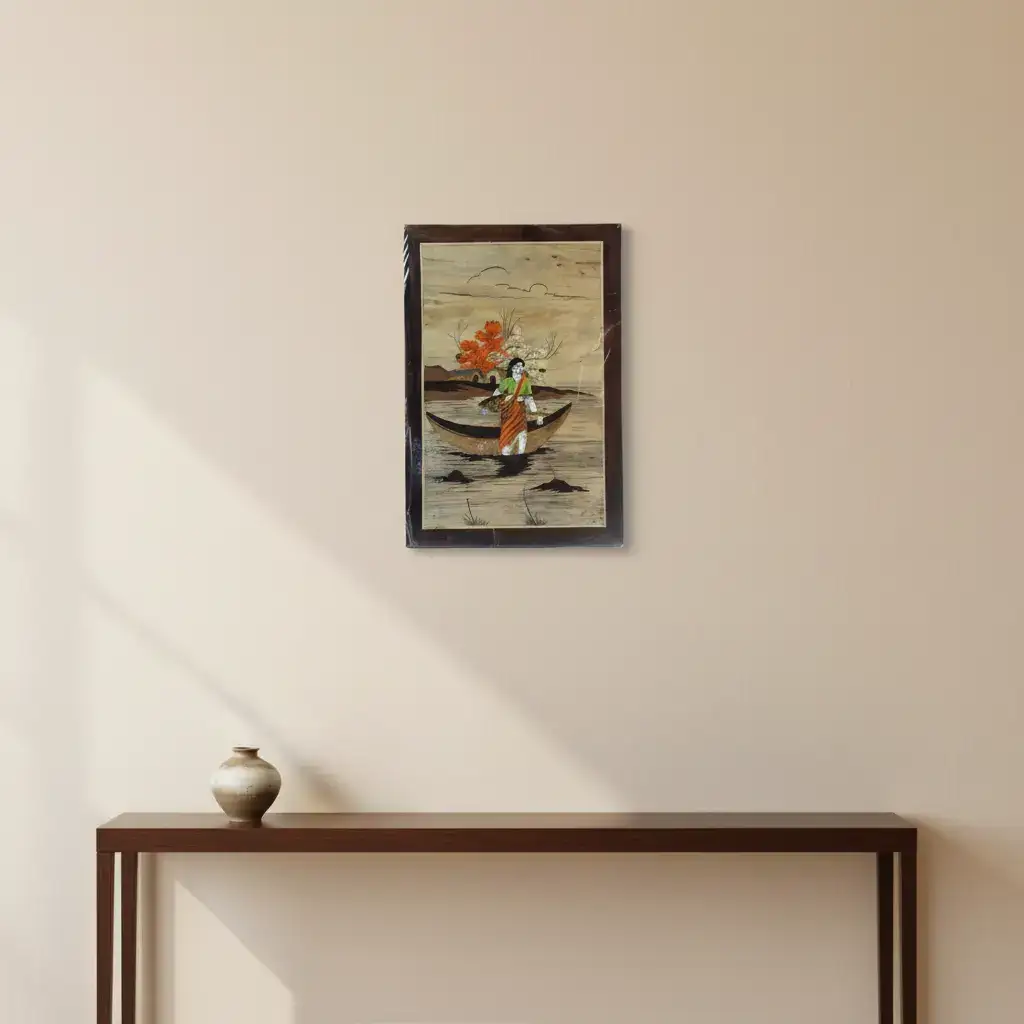
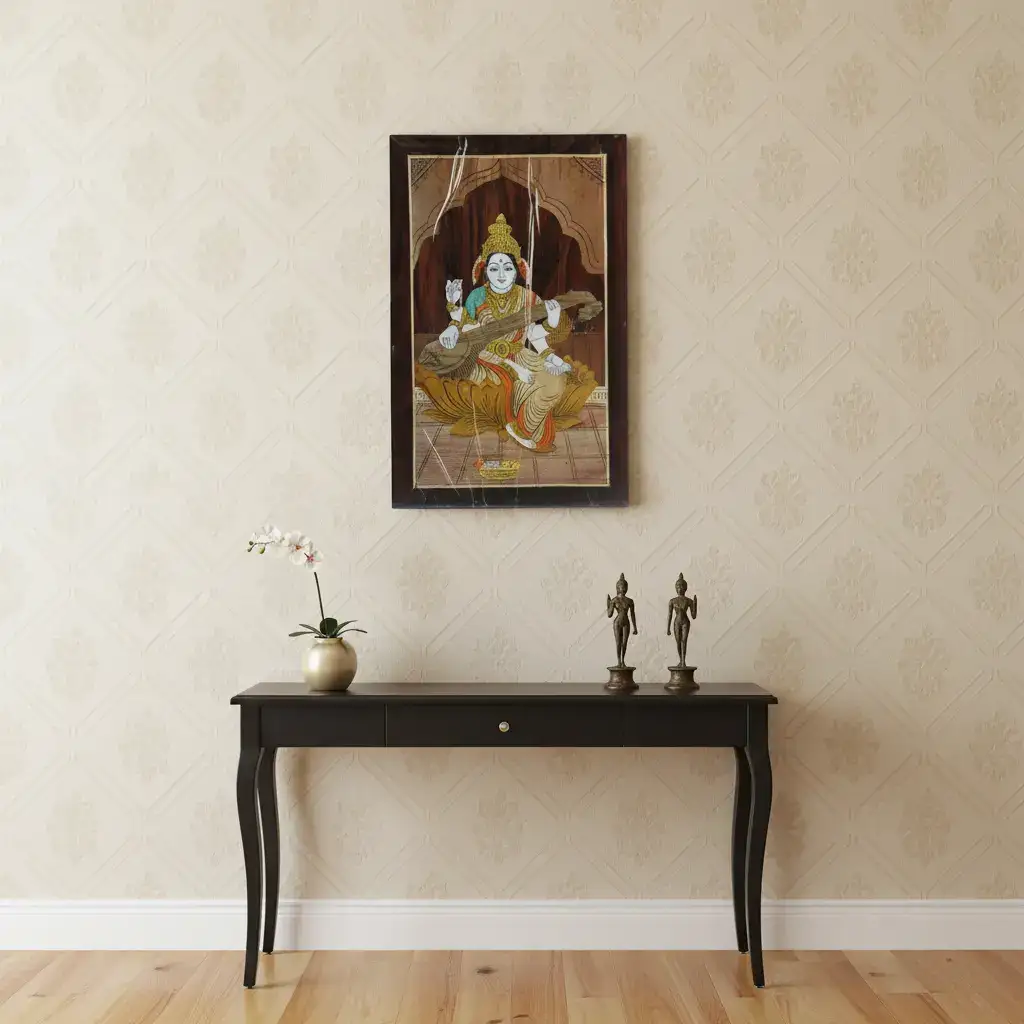
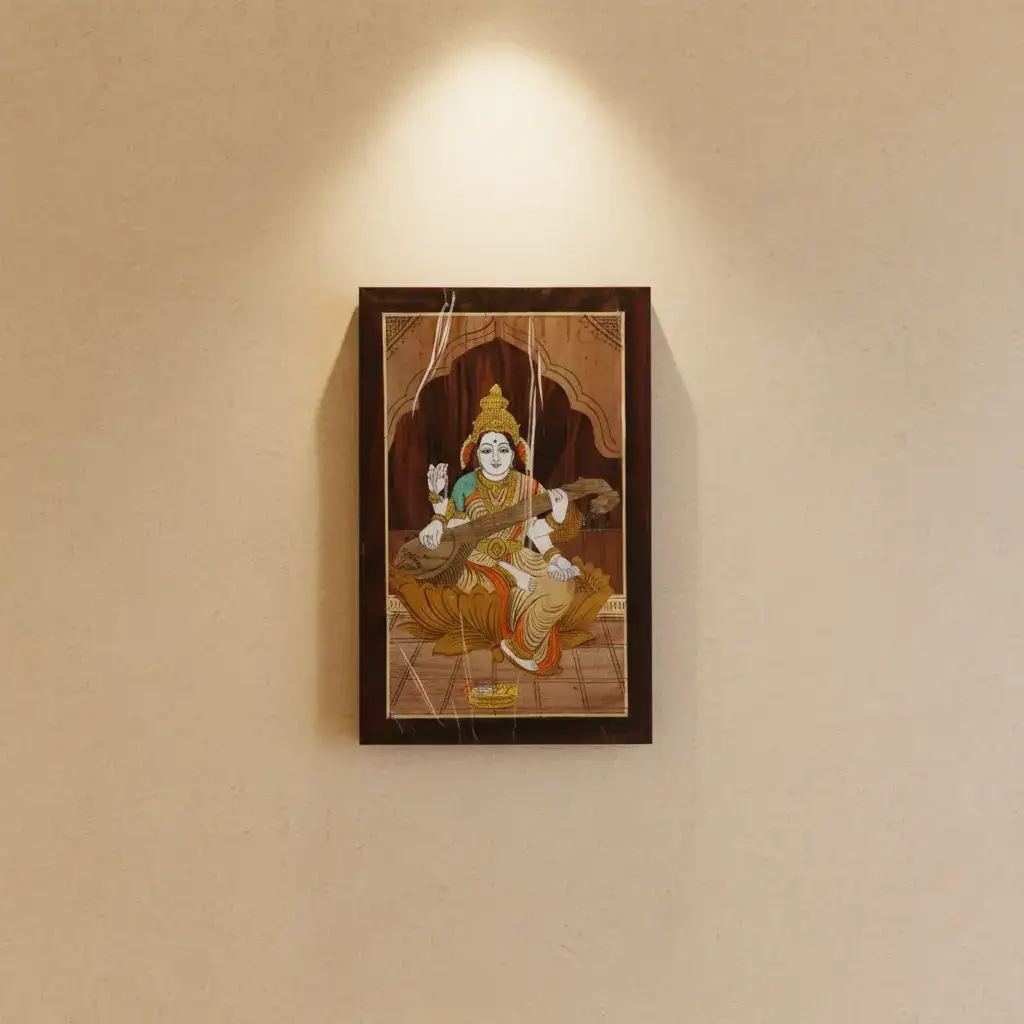
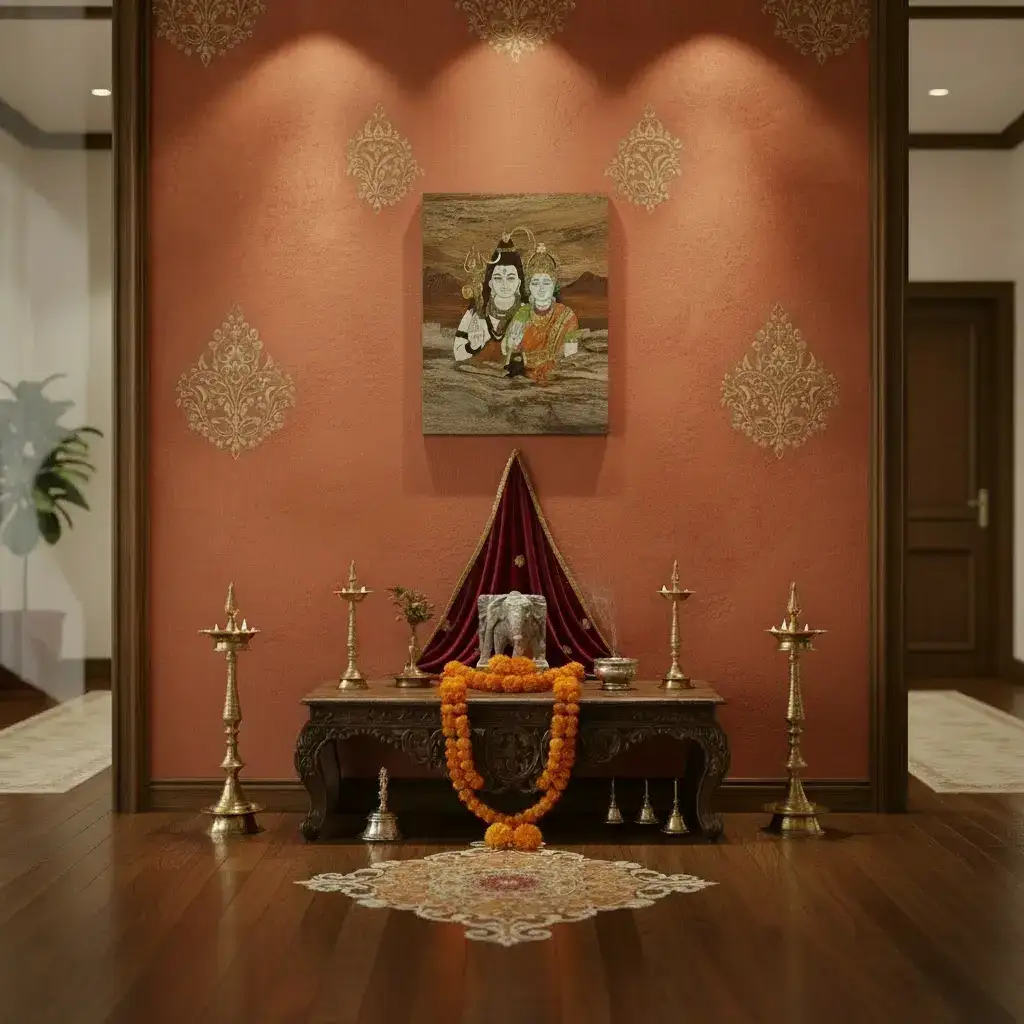
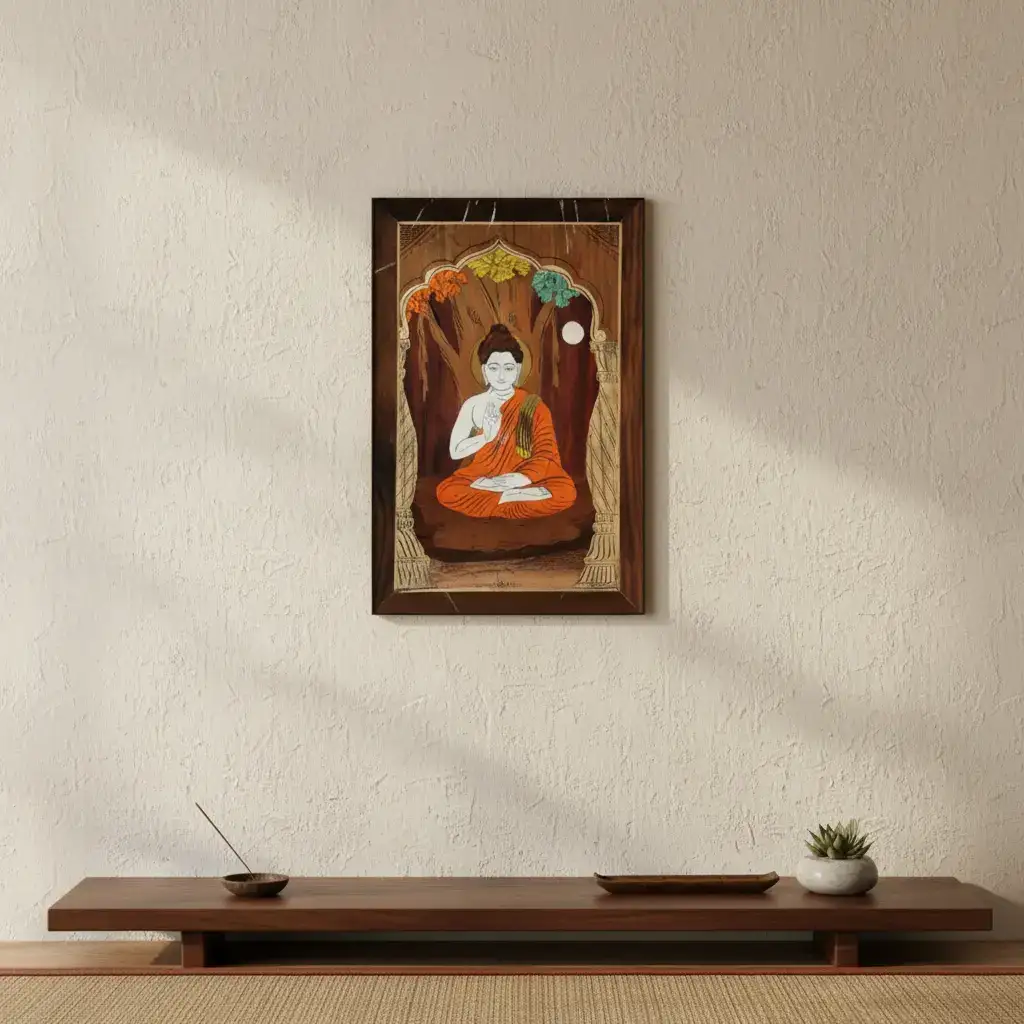
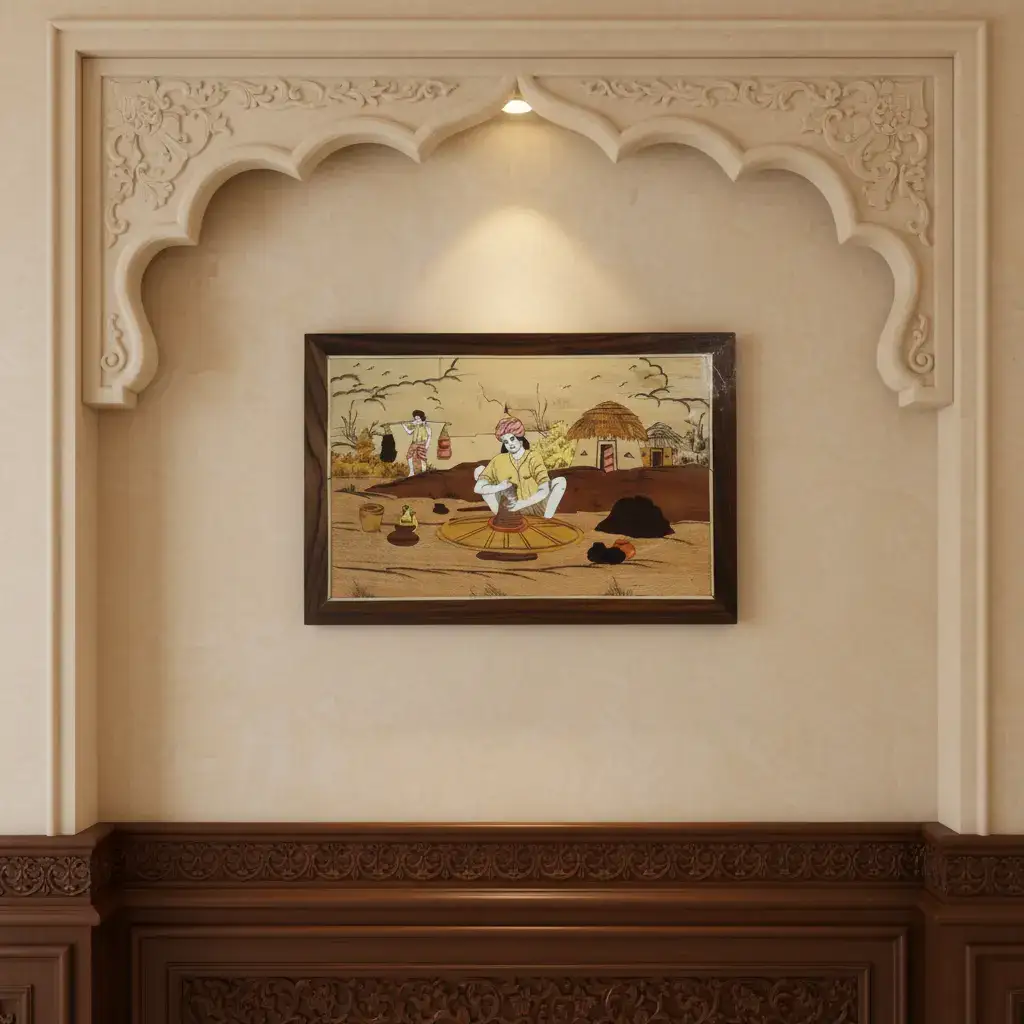
Frames such as wall frame designs play a significant role in Mysore’s artisan practices. These often showcase the renowned rosewood artistry, displaying detailed wooden inlay work. Artisans skillfully use various materials and techniques to decorate frames, celebrating Karnataka’s rich cultural heritage. Though distinct from pot inlay methods, these frames demonstrate the broad skill set and craftsmanship in the region.
The integration of materials in frames reflects artisans’ precise attention to detail and deep respect for traditional methods. These pottery frame and wall frames serve both decorative and heritage-preserving roles. They are often displayed in homes or galleries, adding cultural depth and aesthetic appeal.
Modern Significance of Pot Making Wooden Inlay
Today, Mysore rosewood inlay and Pot Making Wooden Inlay continue to thrive as popular and valued art forms. Talented artisans produce a variety of beautiful items, including furniture, pots, and decorative frames. These crafts have earned a Geographical Indication (GI) tag, recognizing their unique origin and superior quality. Sustaining this tradition supports local economies and helps preserve Karnataka’s cultural identity.
The art form is visible in finely crafted pottery frame designs intended for display or practical use. Many frames are enhanced with subtle decorations, reflecting the artisans’ skill and creativity. This modern significance emphasizes the cultural pride behind maintaining these wooden inlay traditions.
Pot making techniques have evolved, introducing new styles and design concepts while respecting traditional roots. Although machines assist in shaping pots today, the detailed inlay work remains entirely handmade. Artisans hand-select wooden pieces to complement each pot’s unique texture and color. This thoughtful craftsmanship ensures the tradition stays alive and relevant in contemporary markets.
Artisans and Cultural Patrimony
The artisans skilled in Mysore rosewood and Wooden Inlay crafts are custodians of knowledge passed through centuries. This expertise is often inherited through family lines or taught in specialized art schools focused on craftsmanship. Preservation efforts actively seek to train young artisans and promote these art forms globally. Many of these artisans collaborate with decor artists, sharing techniques and styles to enrich their craft further.
This cultural patrimony enhances Karnataka’s artistic landscape by blending functional art with rich cultural narratives. Whether embedding tiny wooden pieces into pots or decorating large wall frame surfaces, artisans consistently focus on detail and technique. This adaptability attracts collectors and enthusiasts who admire the distinct art forms born from inlay traditions.
In summary, the rich history and ongoing appeal of Mysore rosewood inlay and Wooden Inlay represent a remarkable artistic legacy. The use of wooden materials combined with precise craftsmanship keeps this tradition vibrant. These crafts deliver both visual appeal and cultural significance, supporting a lively economy and preserving Karnataka’s heritage.
Original: $2,299.00
-70%$2,299.00
$689.70Product Information
Product Information
Shipping & Returns
Shipping & Returns
Description
Mysore rosewood inlay is a traditional craft rooted deeply in Karnataka’s rich artistic heritage. This craft reflects influences from Persia and enjoyed patronage from Tipu Sultan and the Wodeyar dynasty. It flourished during the 18th century, especially in Srirangapatna. The Mysore Maharajas further promoted this craft by commissioning exquisite rosewood and ivory inlay works for the Mysore Palace. This artistic legacy closely connects with the craft of Pot Making Wooden Inlay, which shares strong cultural and artistic ties with the traditional wooden crafts of the region.
The Art Form: Pot Making Wooden Inlay Traditions
Mysore rosewood inlay involves the delicate embedding of colored wood pieces, and historically, ivory, into a rosewood base to create intricate and detailed designs. Similarly, Pot Making Wooden Inlay applies this technique to pot surfaces, crafting unique visuals with wooden inlays. Skilled artisans carefully embed wooden pieces into pots, creating delicate patterns. This decorative method enhances wooden pots by combining artistic beauty with practical use.
The technique requires seamless fitting and smooth finishing, reflecting generations of passed-down expertise. Each pot’s surface becomes a canvas, with the delicate inlay work providing both texture and color contrast. This process is a testament to the artisans' precision, patience, and artistic creativity, preserving centuries-old traditions.
The Role of Frames in Craftsmanship
Frames such as wall frame designs play a significant role in Mysore’s artisan practices. These often showcase the renowned rosewood artistry, displaying detailed wooden inlay work. Artisans skillfully use various materials and techniques to decorate frames, celebrating Karnataka’s rich cultural heritage. Though distinct from pot inlay methods, these frames demonstrate the broad skill set and craftsmanship in the region.
The integration of materials in frames reflects artisans’ precise attention to detail and deep respect for traditional methods. These pottery frame and wall frames serve both decorative and heritage-preserving roles. They are often displayed in homes or galleries, adding cultural depth and aesthetic appeal.
Modern Significance of Pot Making Wooden Inlay
Today, Mysore rosewood inlay and Pot Making Wooden Inlay continue to thrive as popular and valued art forms. Talented artisans produce a variety of beautiful items, including furniture, pots, and decorative frames. These crafts have earned a Geographical Indication (GI) tag, recognizing their unique origin and superior quality. Sustaining this tradition supports local economies and helps preserve Karnataka’s cultural identity.
The art form is visible in finely crafted pottery frame designs intended for display or practical use. Many frames are enhanced with subtle decorations, reflecting the artisans’ skill and creativity. This modern significance emphasizes the cultural pride behind maintaining these wooden inlay traditions.
Pot making techniques have evolved, introducing new styles and design concepts while respecting traditional roots. Although machines assist in shaping pots today, the detailed inlay work remains entirely handmade. Artisans hand-select wooden pieces to complement each pot’s unique texture and color. This thoughtful craftsmanship ensures the tradition stays alive and relevant in contemporary markets.
Artisans and Cultural Patrimony
The artisans skilled in Mysore rosewood and Wooden Inlay crafts are custodians of knowledge passed through centuries. This expertise is often inherited through family lines or taught in specialized art schools focused on craftsmanship. Preservation efforts actively seek to train young artisans and promote these art forms globally. Many of these artisans collaborate with decor artists, sharing techniques and styles to enrich their craft further.
This cultural patrimony enhances Karnataka’s artistic landscape by blending functional art with rich cultural narratives. Whether embedding tiny wooden pieces into pots or decorating large wall frame surfaces, artisans consistently focus on detail and technique. This adaptability attracts collectors and enthusiasts who admire the distinct art forms born from inlay traditions.
In summary, the rich history and ongoing appeal of Mysore rosewood inlay and Wooden Inlay represent a remarkable artistic legacy. The use of wooden materials combined with precise craftsmanship keeps this tradition vibrant. These crafts deliver both visual appeal and cultural significance, supporting a lively economy and preserving Karnataka’s heritage.