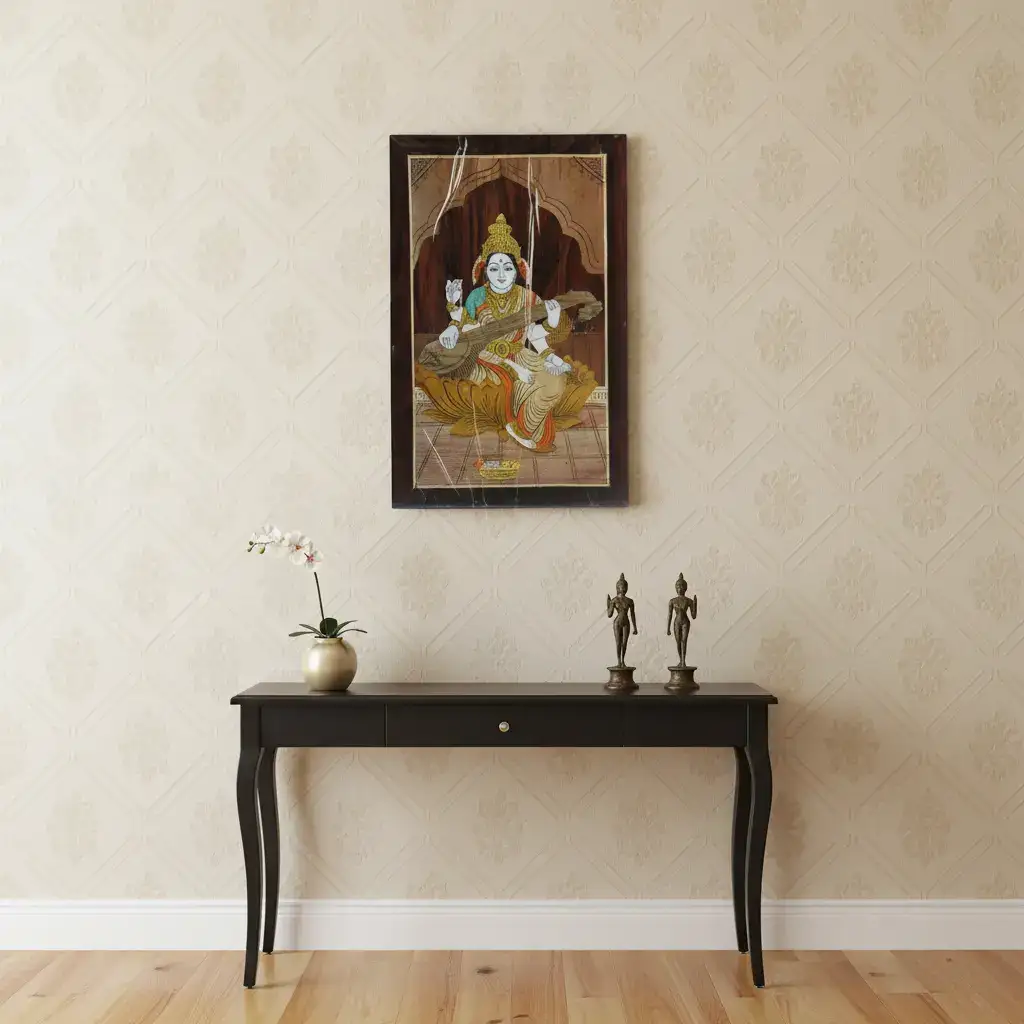
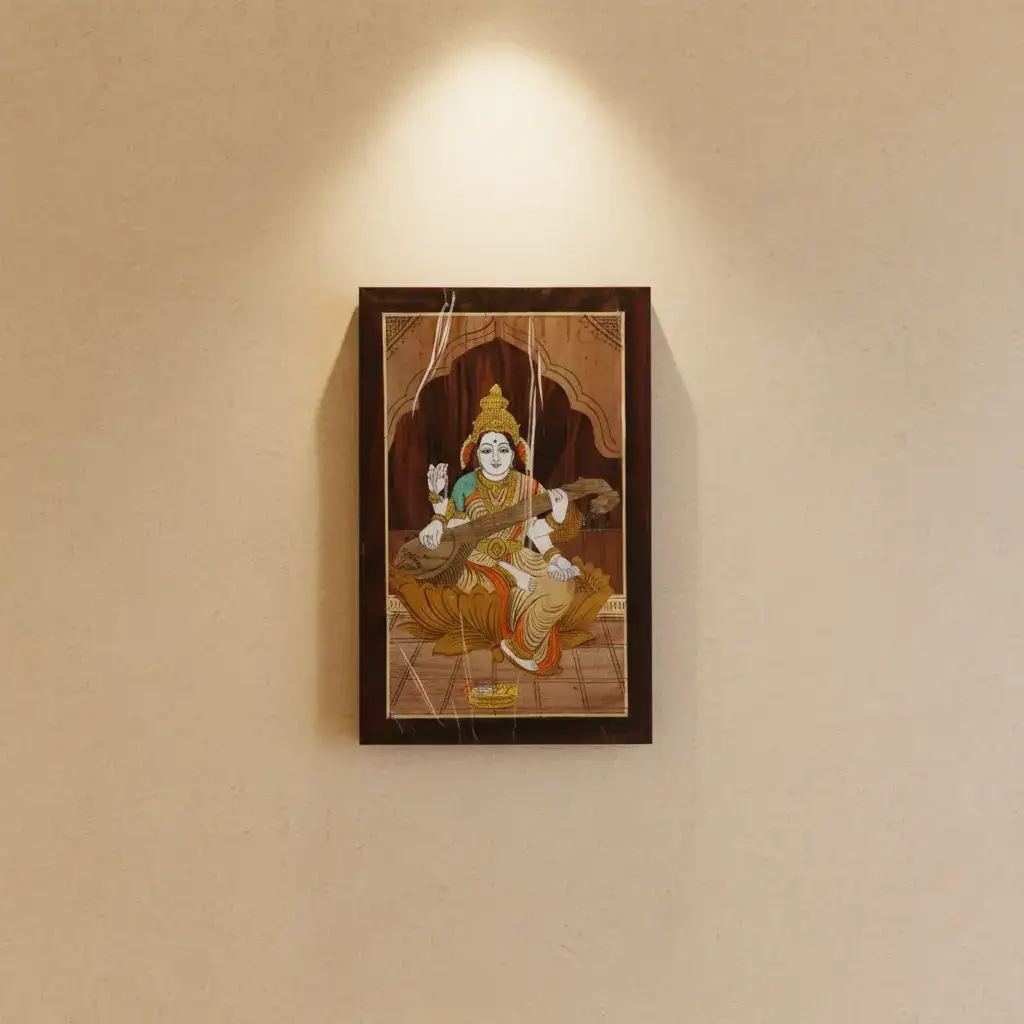
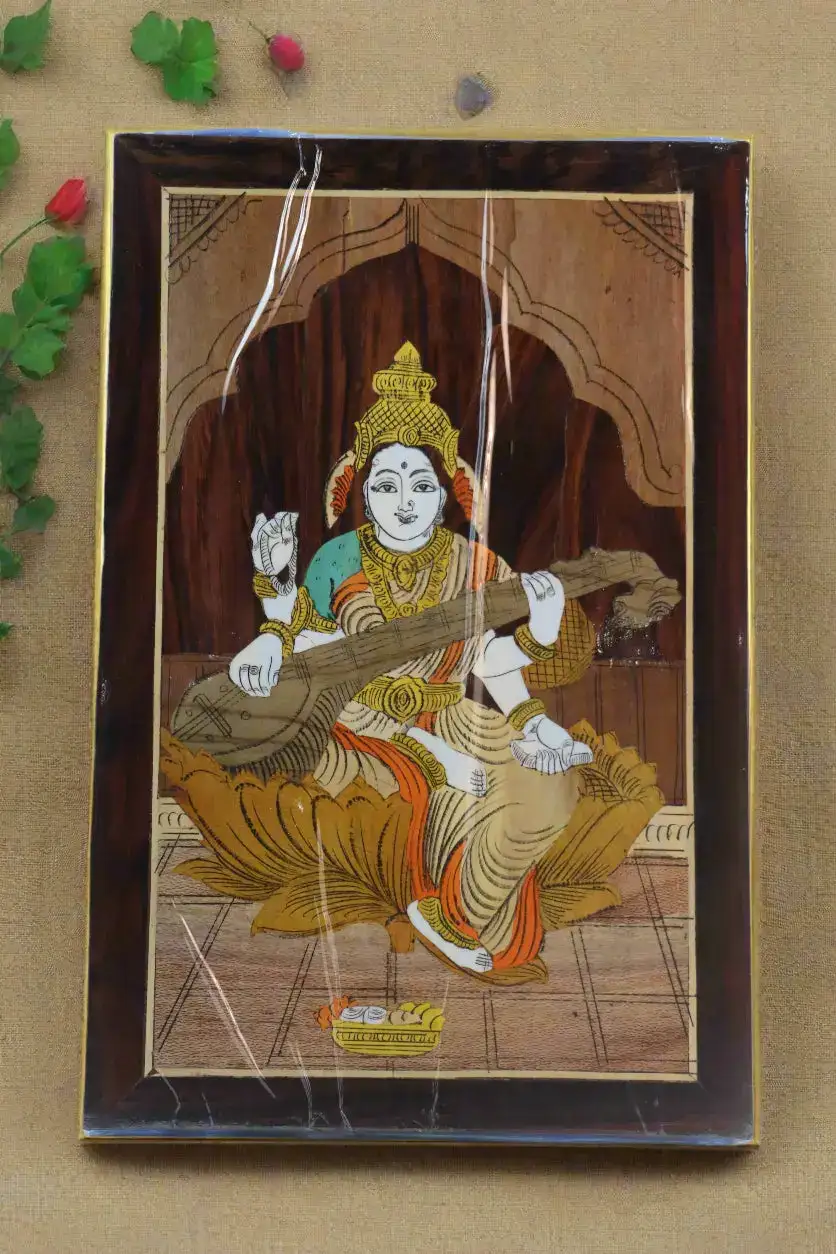
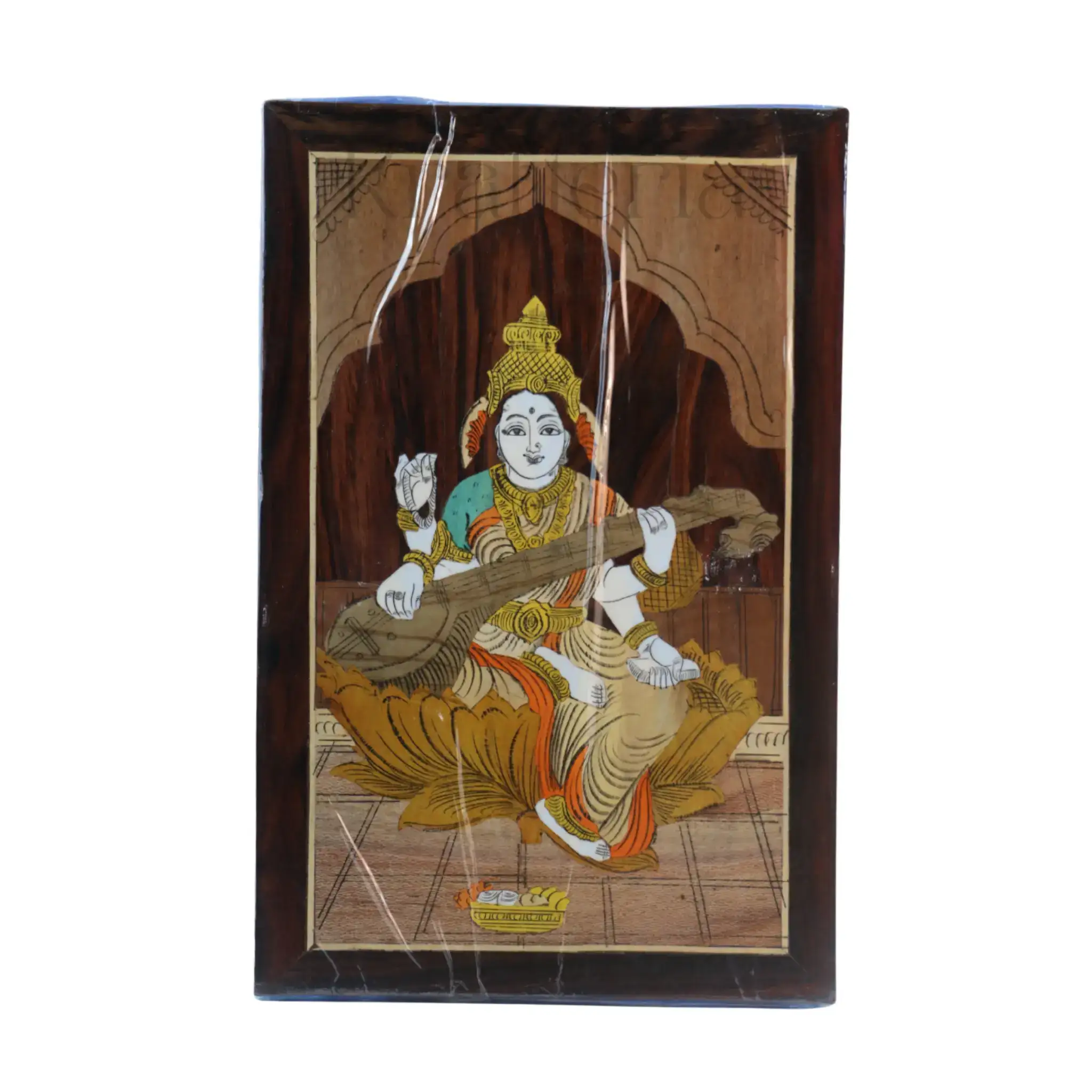
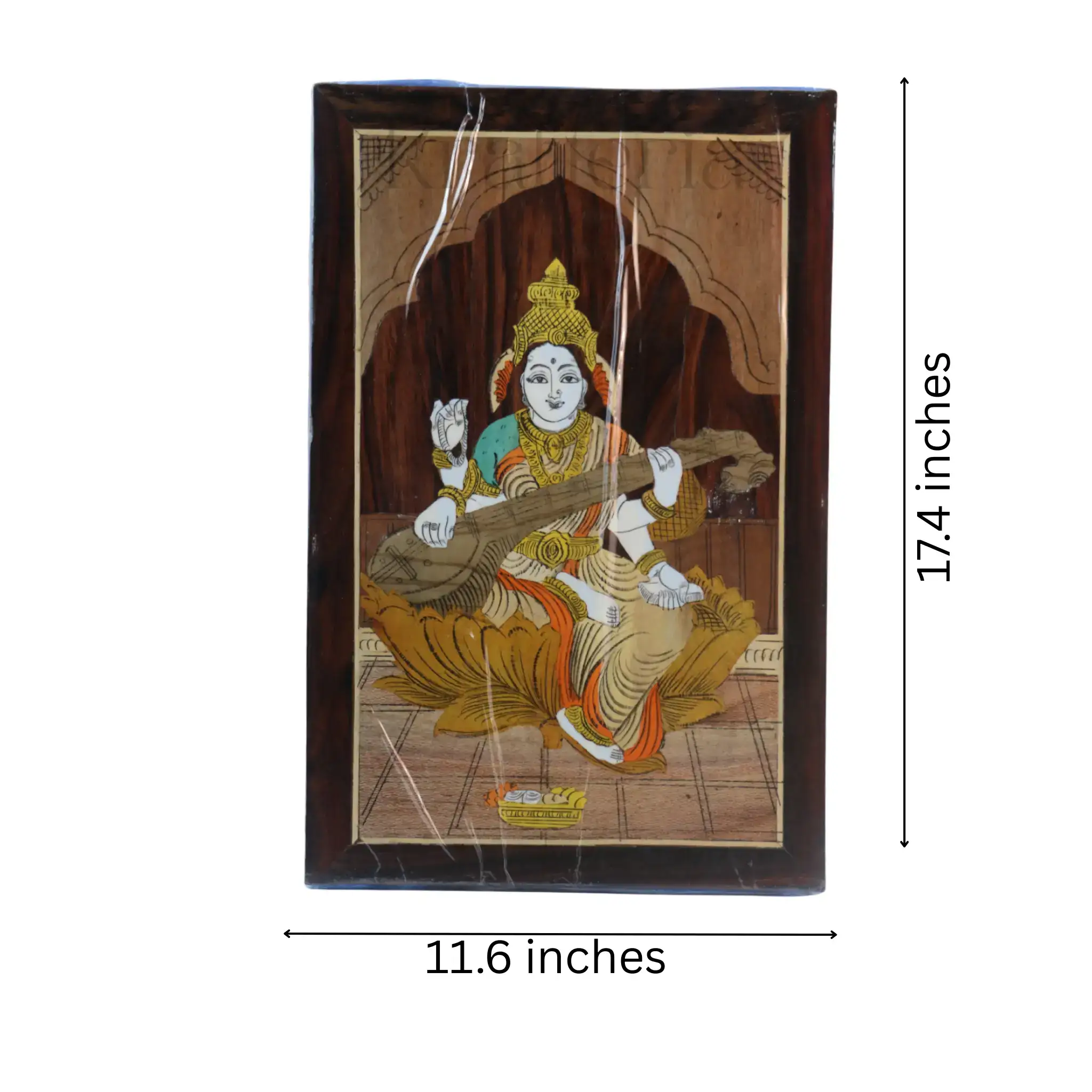
Rosewood Inlay Wall Frame – Divine Saraswathi Artwork for Study or Pooja Room
Saraswathi Artwork Mysore rosewood inlay is a traditional craft that originates from Karnataka. This craft holds a rich history deeply rooted in the region’s artistic heritage. The art form shows influences from Persia and enjoyed significant patronage from historical figures like Tipu Sultan and the Wodeyar dynasty. It particularly flourished in Srirangapatna during the 18th century. The Mysore Maharajas further elevated this craft by commissioning intricate rosewood and ivory inlay work to adorn the Mysore Palace and other notable buildings.
The Art Form of Saraswathi Artwork Rosewood Inlay
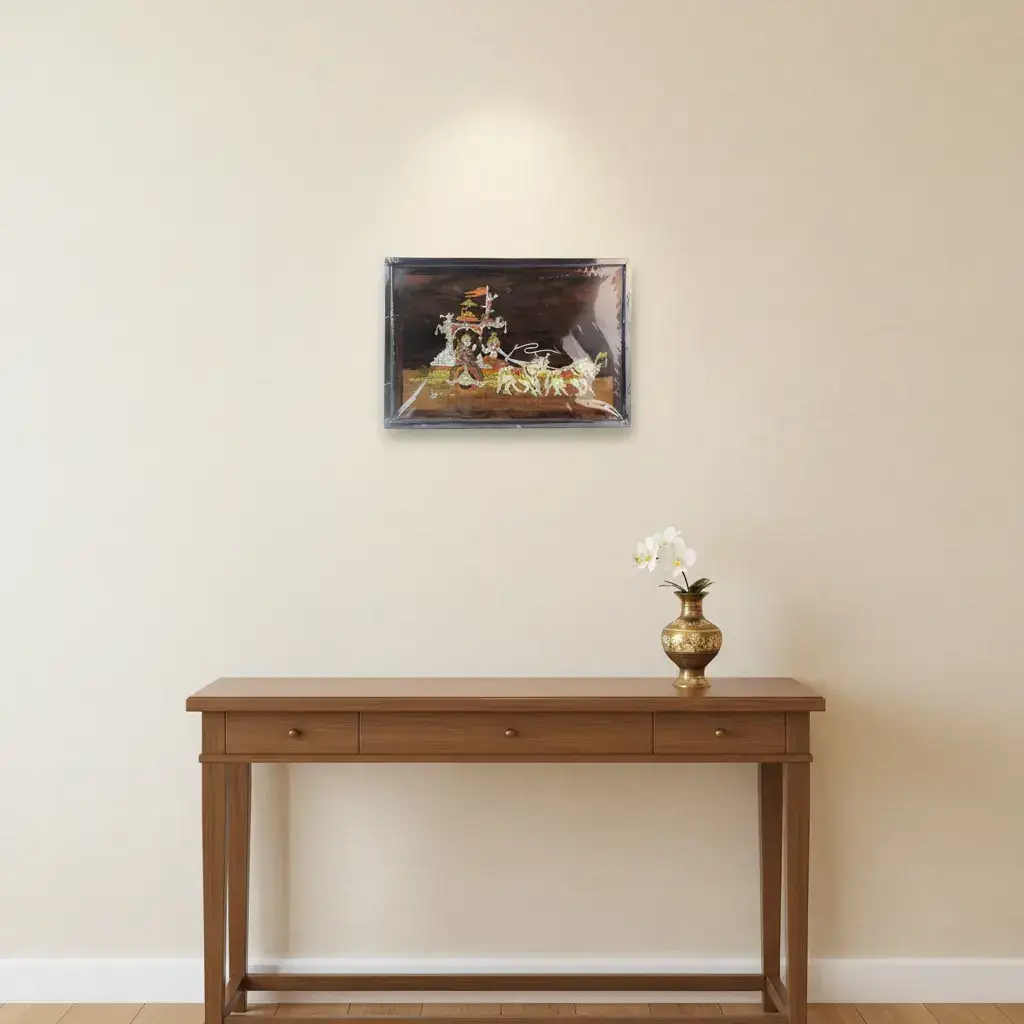
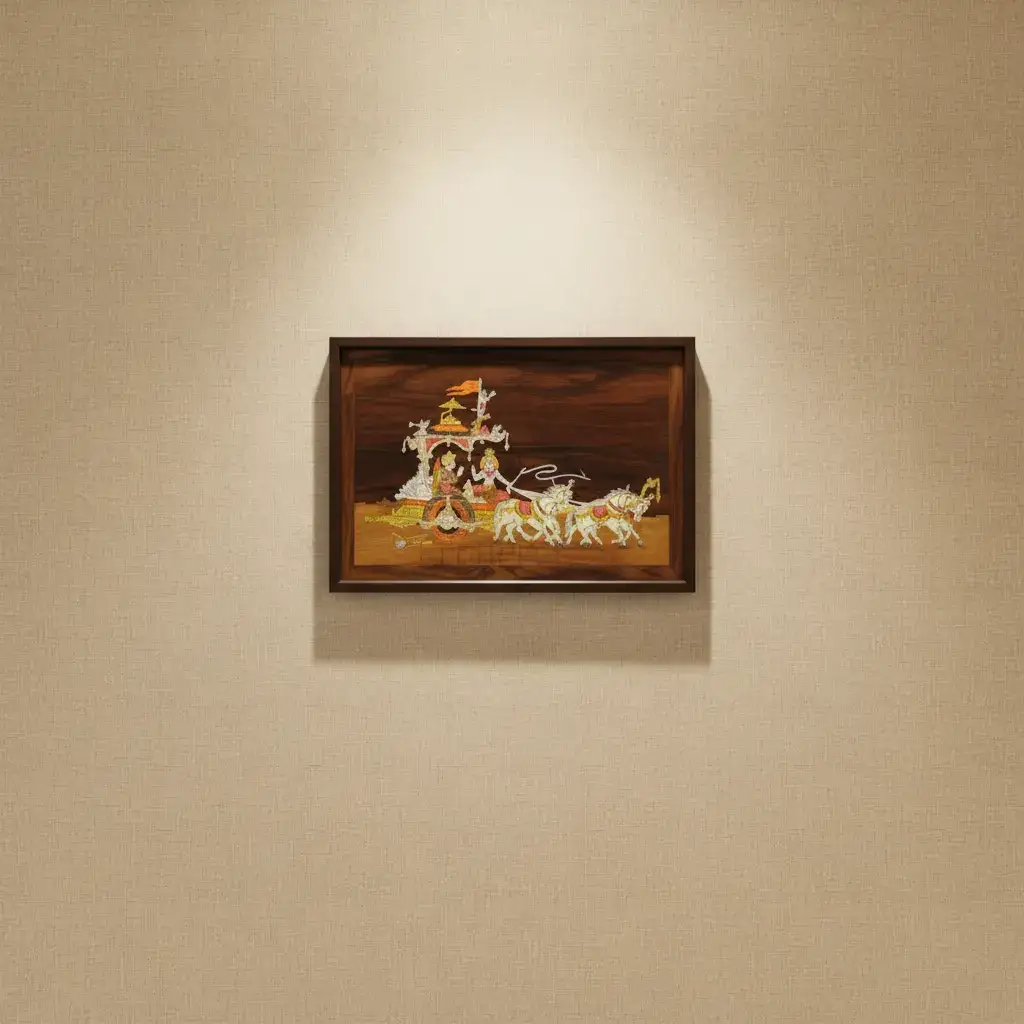
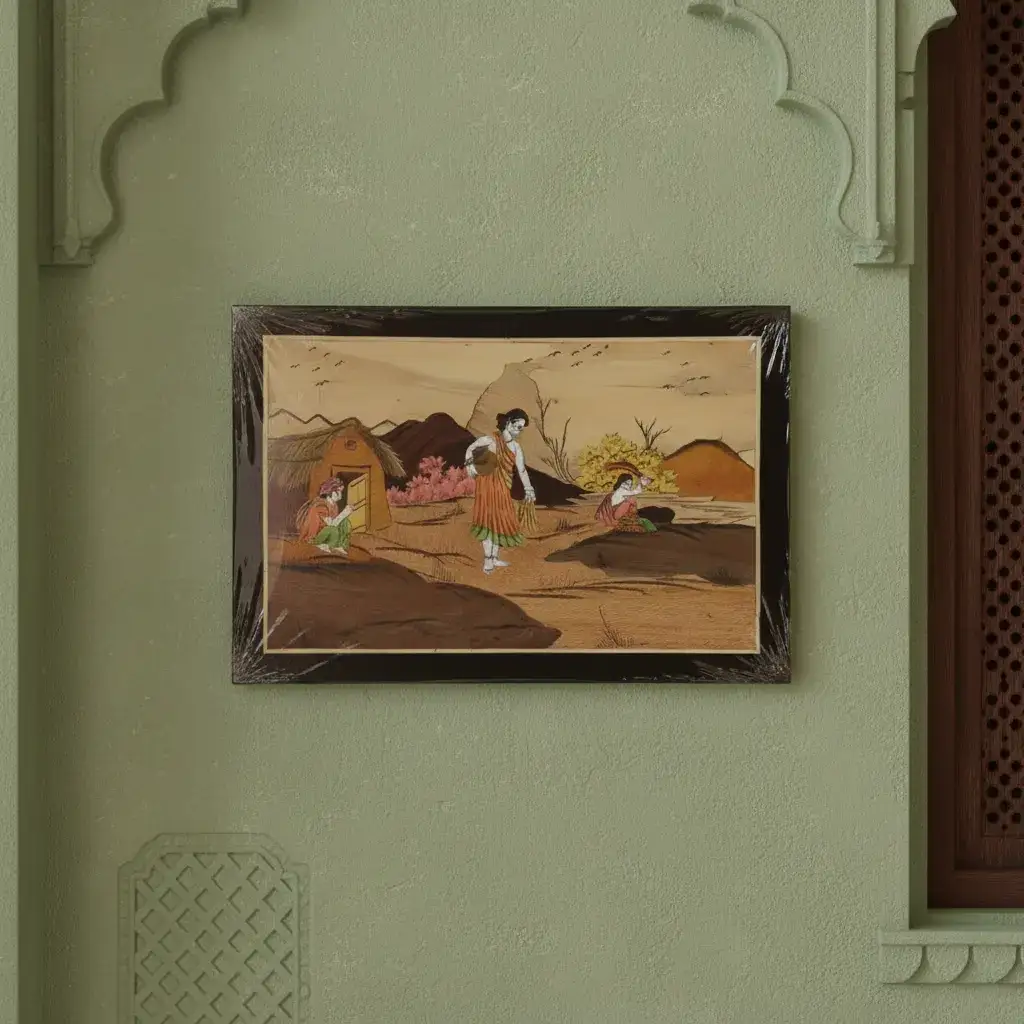
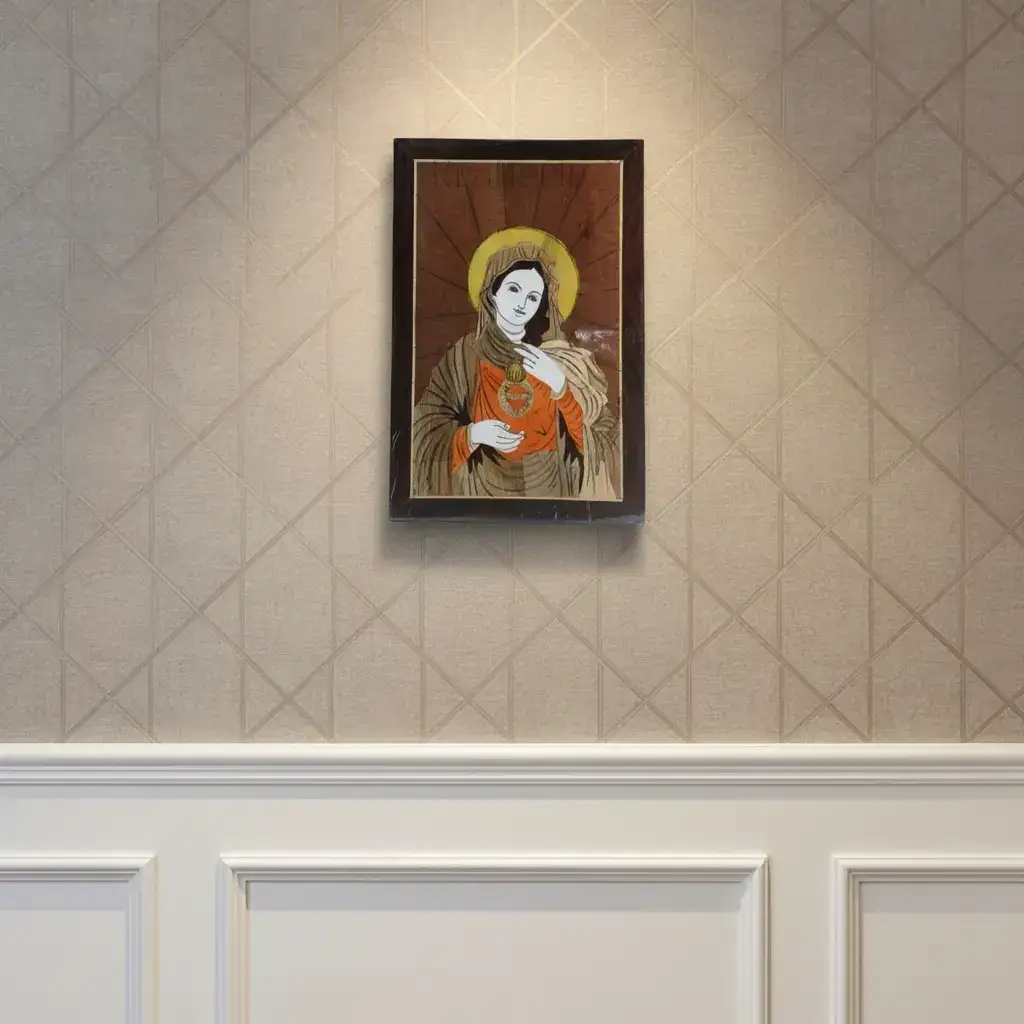
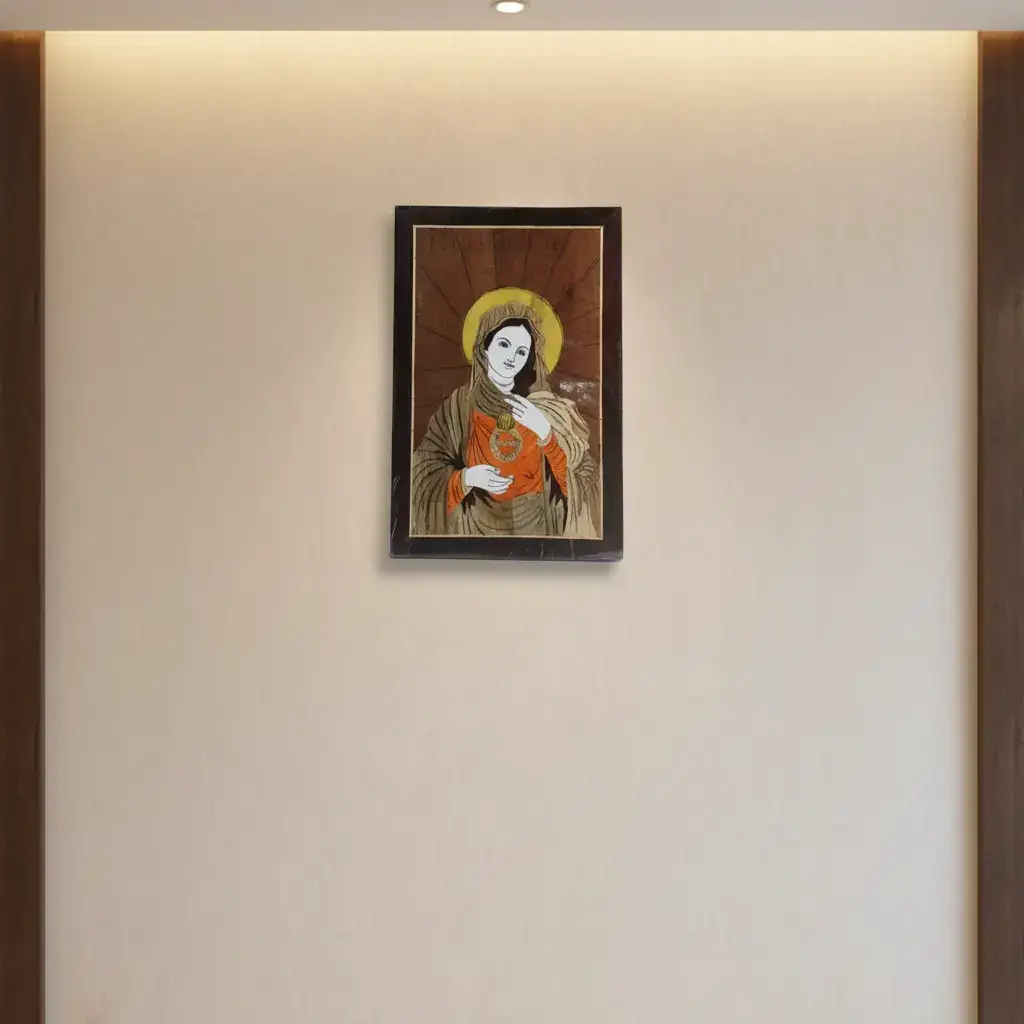
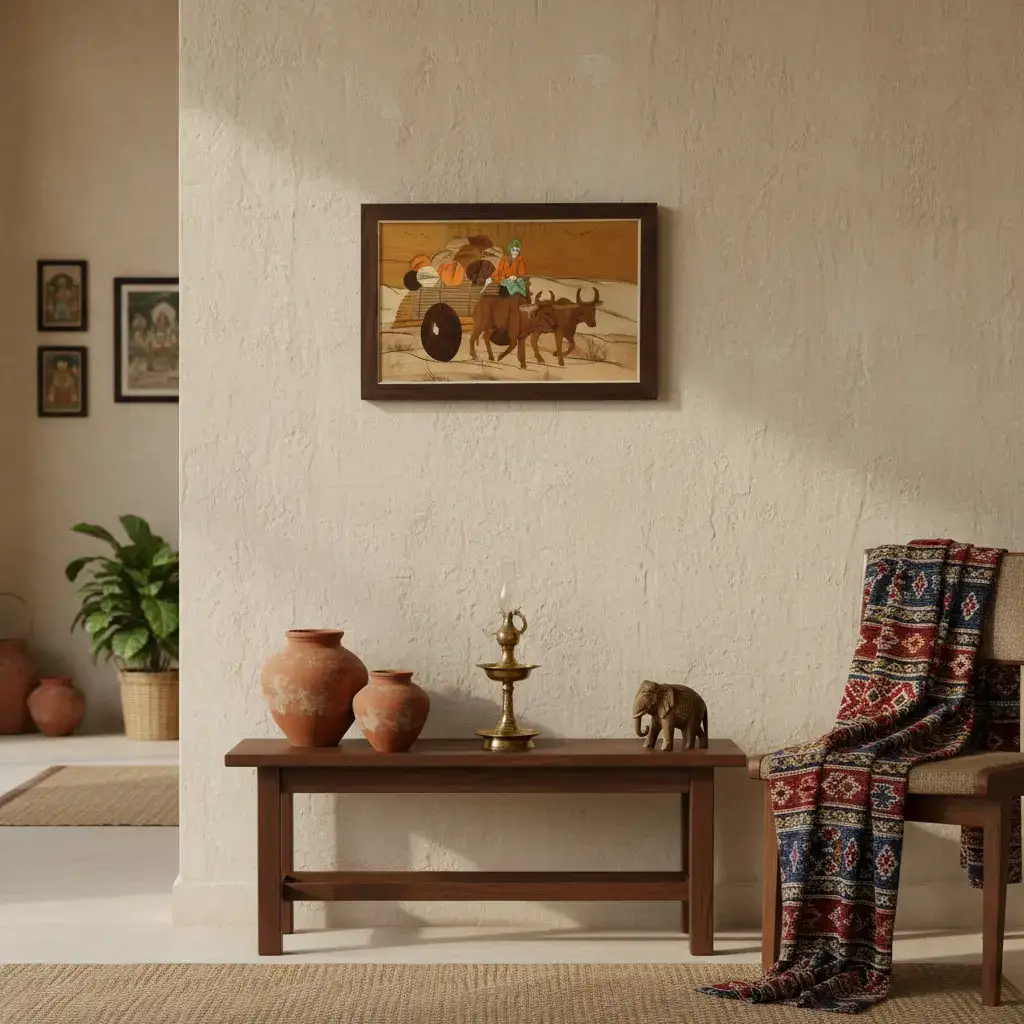
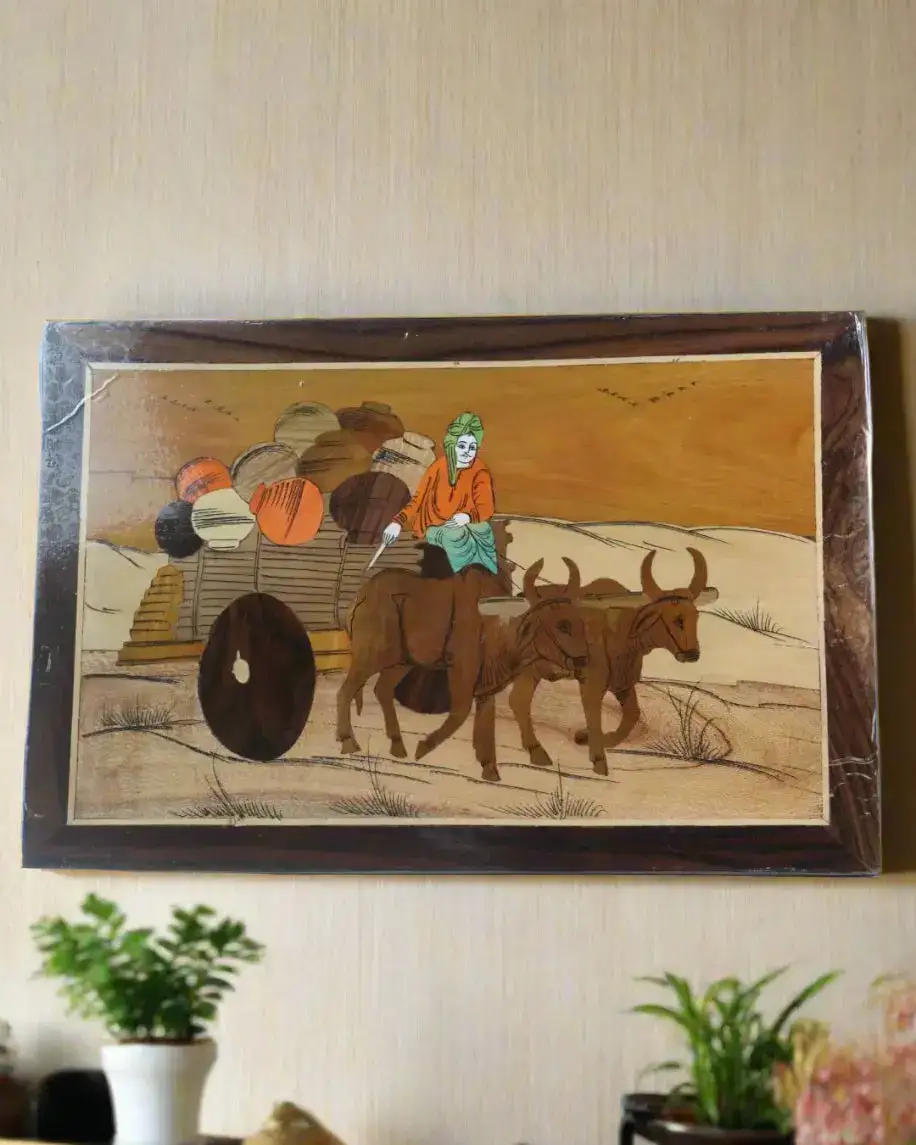
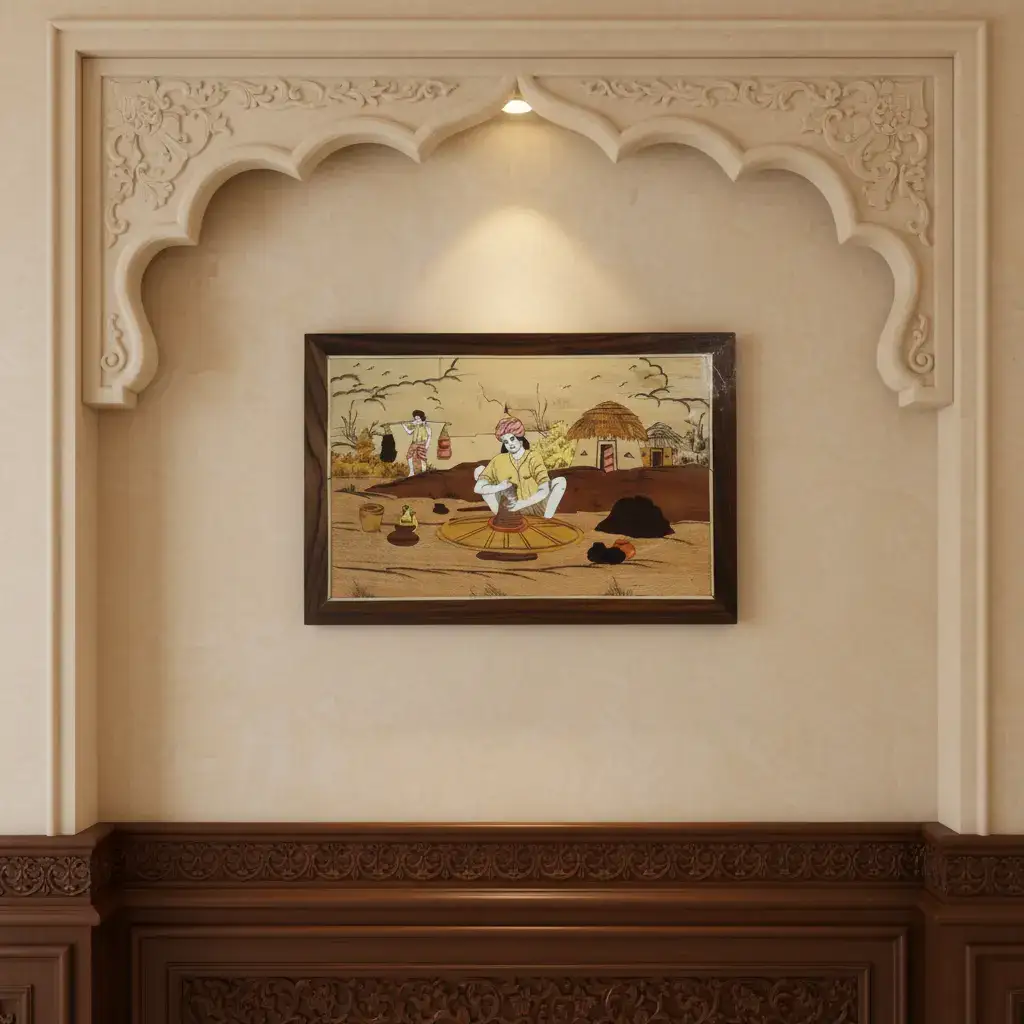
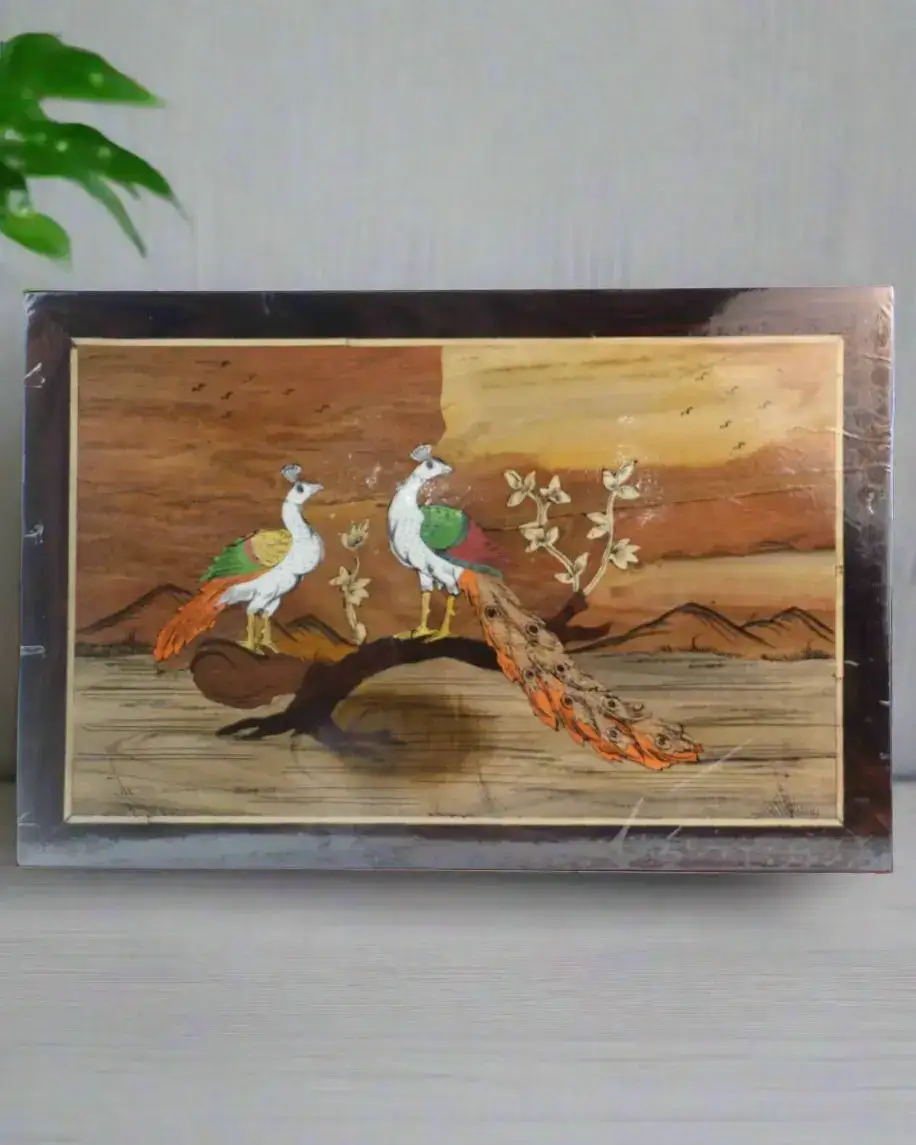
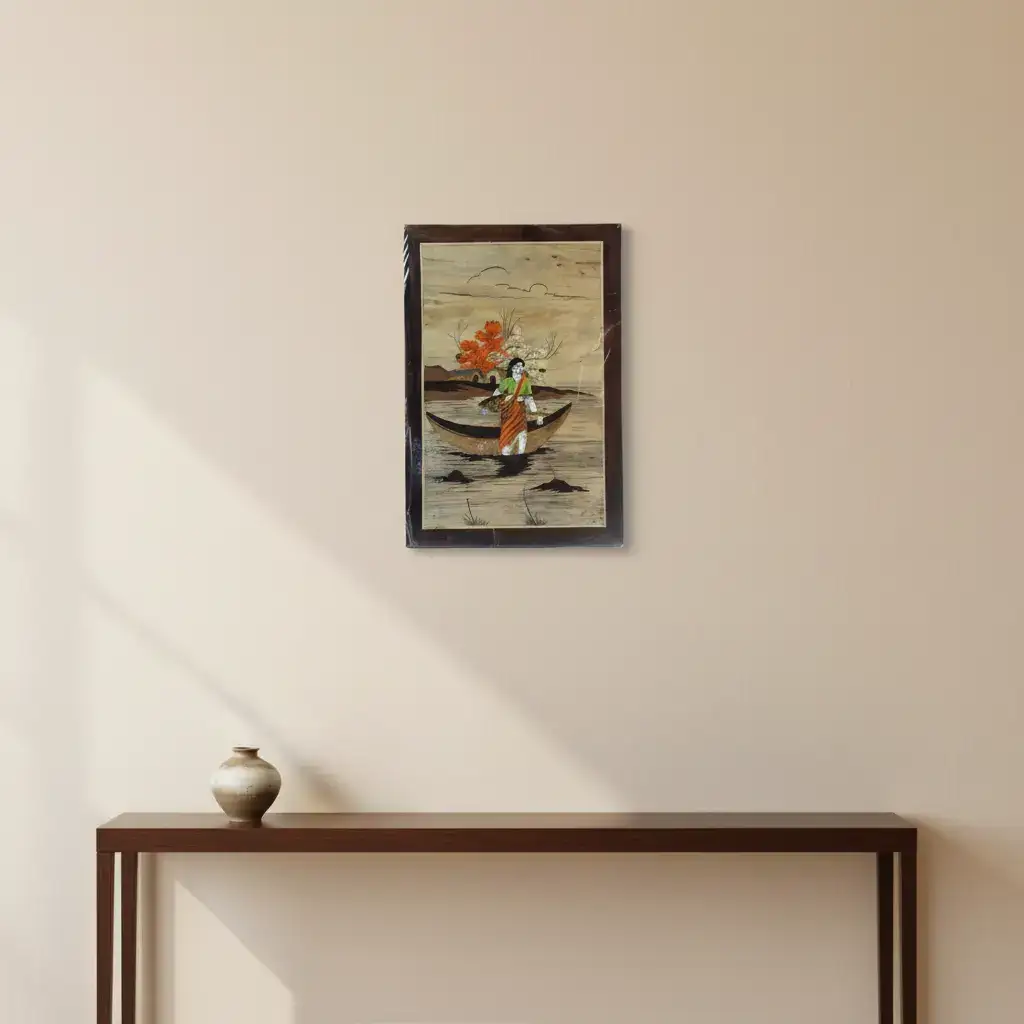
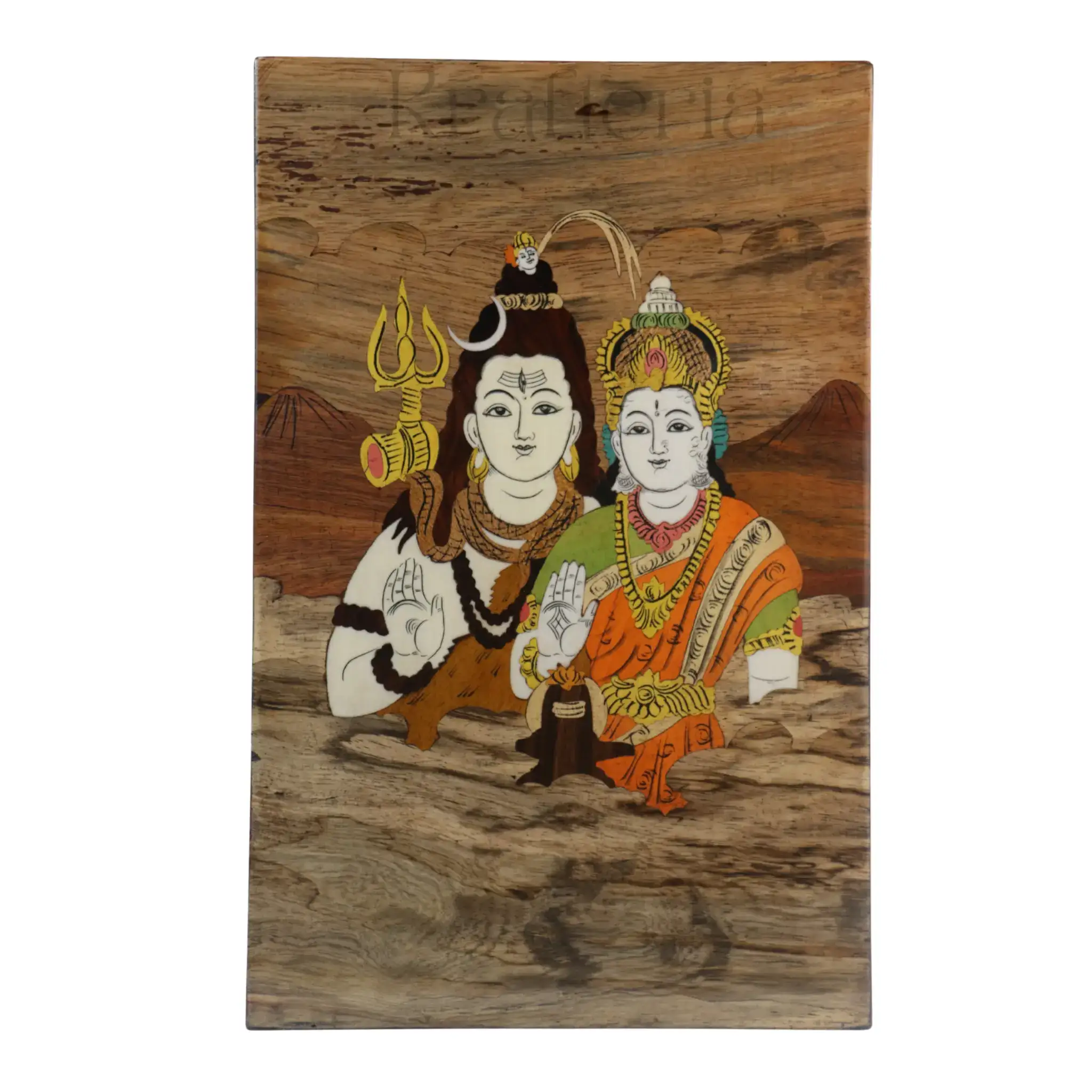
Mysore rosewood inlay creates intricate designs by embedding colored wood pieces into a rosewood base. Historically, ivory was also used before restrictions took effect. This craft requires skilled artisans who carefully form culturally important patterns. The designs often include traditional motifs and religious symbols, making each piece distinct and valuable.
Each craftsman meticulously inserts tiny elements to keep the depiction visually engaging and durable. The use of varied materials gives this artwork a unique texture and depth. This blend of wood tones and inlay methods demands precision and patience.
The rosewood base offers a rich, dark canvas that enhances the vibrant details of the frame and other design components. This precise combination highlights the elegance and sophistication of the traditional craft.
Artistic Legacy and Saraswathi Frame Inspiration in Art
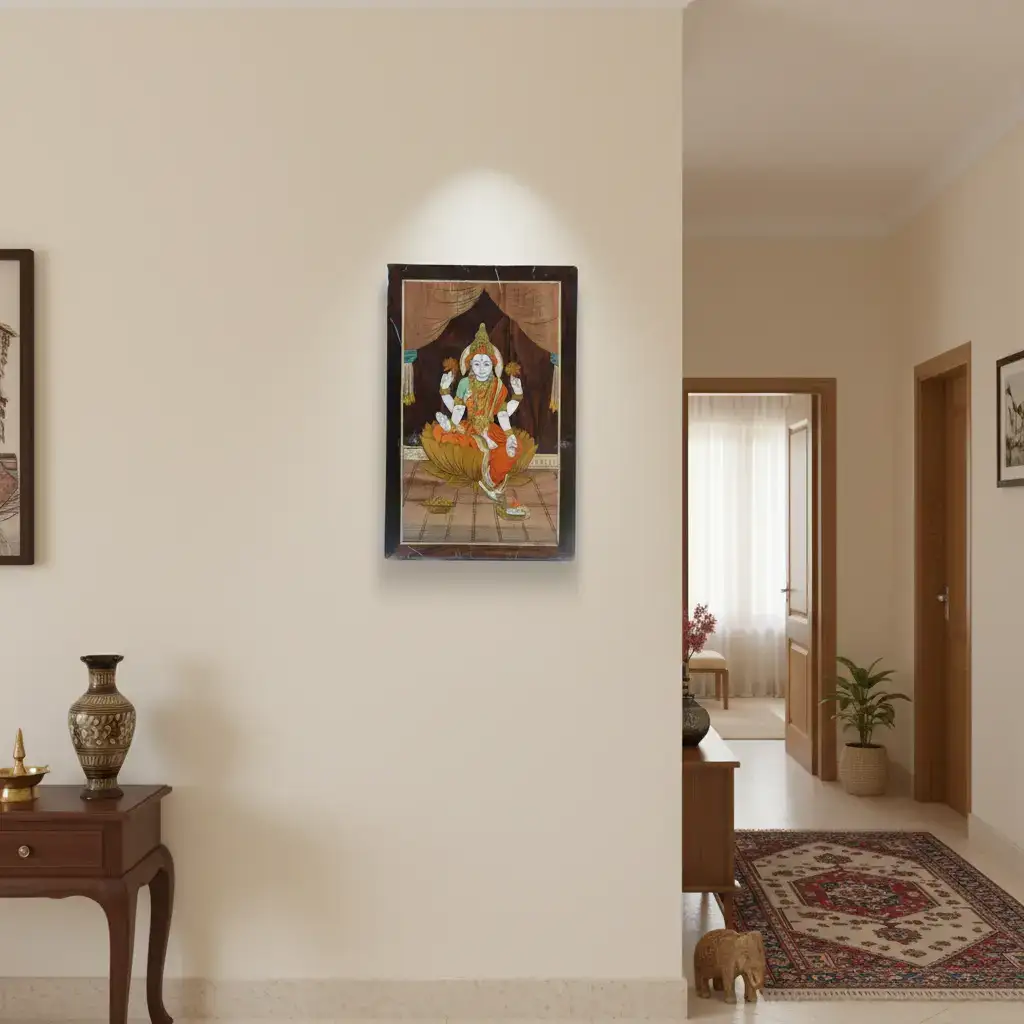
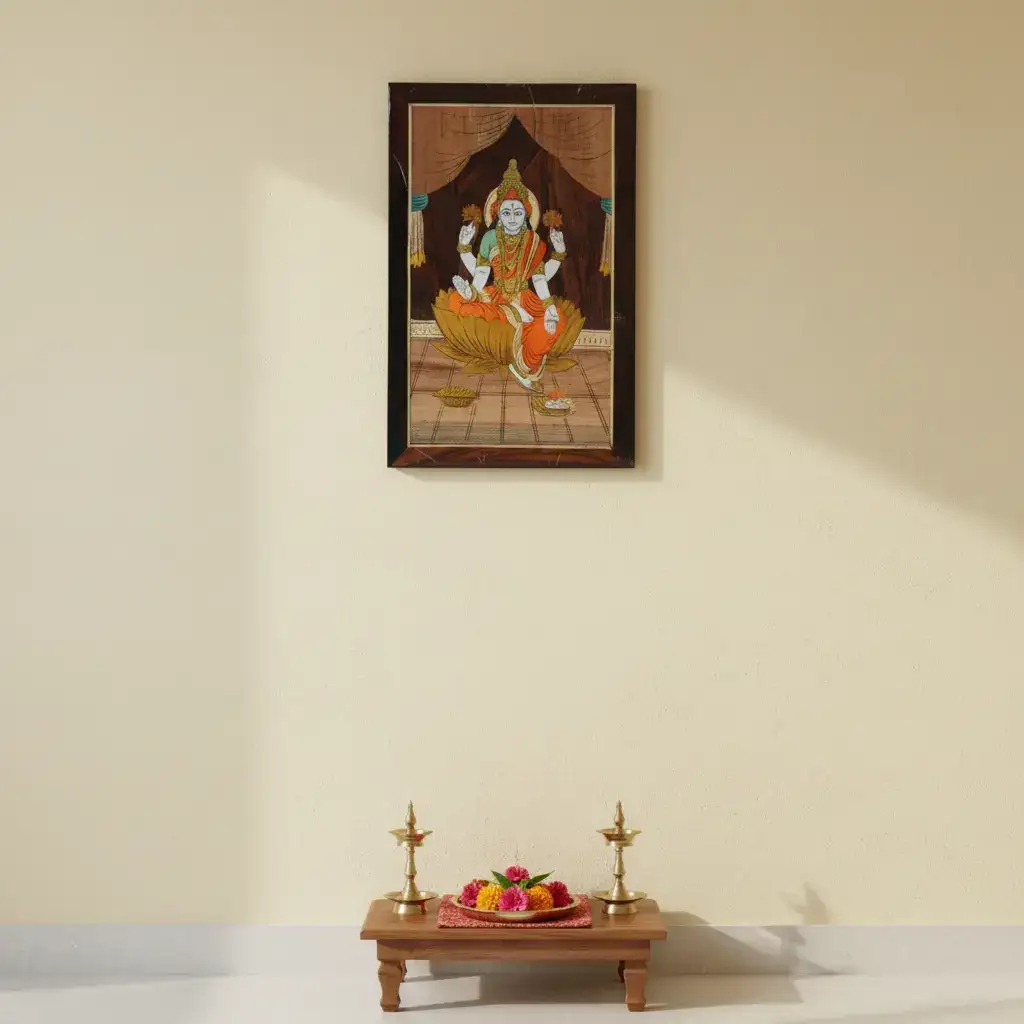
The legacy of this art form is deeply connected with religious and cultural traditions. Particularly notable is the inspiration drawn from the saraswathi frame, where depictions of goddess Saraswathi symbolize knowledge and the arts. This recurring theme reflects the profound spiritual significance tied to this craft.
Generations of artisans have passed down this valuable skill, blending artistry with devotion. This historical link embeds immense cultural value into every piece, making it beyond mere decoration. Each artwork becomes an artifact of devotion and reverence.
The exquisite craftsmanship seen in the saraswathi frame presentation illustrates both artistic brilliance and spiritual respect for goddess Saraswathi. The design communicates not only creative expression but also admiration for the goddess of wisdom and learning.
Modern Significance of Saraswathi Artwork
Today, Saraswathi Artwork continues to captivate a diverse audience, ranging from dedicated connoisseurs to casual admirers. Artisans produce decorative items, furniture, and collectibles, all while preserving traditional methods. This unique craft has earned a Geographical Indication (GI) tag, which acknowledges its distinct origin and superior quality.
This artwork stands as a beautiful bridge between cultural heritage and contemporary artistry. The continuity of this rare art form is attributed to dedicated artisans who maintain centuries-old techniques. Each piece is crafted with intricate precision to keep this tradition vibrant and alive.
Appreciation for rosewood inlay increases among collectors and artisans. It helps ensure the craft’s commercial viability. These artists are guardians of rich cultural heritage, preserving the craft’s finesse and importance for the future.
Saraswathi is synonymous with finesse and devotion in the art community. It is an emblem of Karnataka’s rich cultural tapestry, vividly expressing respect for goddess Saraswathi. Artwork pieces representing goddess Saraswathi symbolize the quest for knowledge, beauty, and art.
This spiritual symbolism adds remarkable depth, lifting the craft beyond simple decoration to objects of reverence and tradition. The presence of the goddess saraswathi motif enriches each piece with sacred meaning and artistic value.
- Traditional Craftsmanship: Mysore rosewood inlay involves embedding wood and historically ivory pieces to create detailed designs.
- Cultural and Religious Motifs: Designs include symbols often linked with goddess Saraswathi and other spiritual themes, emphasizing their significance.
- Artistic Value: The saraswathi frame inspiration enhances artwork’s spiritual importance and visual beauty.
- Modern Relevance: The craft’s GI tag highlights its authenticity and continuing cultural importance.
- Craftsmanship Legacy: The techniques have been passed down through generations to preserve skill and tradition.
In summary, Artwork is more than a decorative piece; it blends artistic heritage with spiritual devotion. The dedication of skilled artisans ensures that every saraswathi frame embodies centuries of knowledge and artistry. Owning such artwork means holding a meaningful piece of Karnataka’s rich cultural legacy and artistic brilliance.
Product Information
Product Information
Shipping & Returns
Shipping & Returns
Description
Saraswathi Artwork Mysore rosewood inlay is a traditional craft that originates from Karnataka. This craft holds a rich history deeply rooted in the region’s artistic heritage. The art form shows influences from Persia and enjoyed significant patronage from historical figures like Tipu Sultan and the Wodeyar dynasty. It particularly flourished in Srirangapatna during the 18th century. The Mysore Maharajas further elevated this craft by commissioning intricate rosewood and ivory inlay work to adorn the Mysore Palace and other notable buildings.
The Art Form of Saraswathi Artwork Rosewood Inlay
Mysore rosewood inlay creates intricate designs by embedding colored wood pieces into a rosewood base. Historically, ivory was also used before restrictions took effect. This craft requires skilled artisans who carefully form culturally important patterns. The designs often include traditional motifs and religious symbols, making each piece distinct and valuable.
Each craftsman meticulously inserts tiny elements to keep the depiction visually engaging and durable. The use of varied materials gives this artwork a unique texture and depth. This blend of wood tones and inlay methods demands precision and patience.
The rosewood base offers a rich, dark canvas that enhances the vibrant details of the frame and other design components. This precise combination highlights the elegance and sophistication of the traditional craft.
Artistic Legacy and Saraswathi Frame Inspiration in Art
The legacy of this art form is deeply connected with religious and cultural traditions. Particularly notable is the inspiration drawn from the saraswathi frame, where depictions of goddess Saraswathi symbolize knowledge and the arts. This recurring theme reflects the profound spiritual significance tied to this craft.
Generations of artisans have passed down this valuable skill, blending artistry with devotion. This historical link embeds immense cultural value into every piece, making it beyond mere decoration. Each artwork becomes an artifact of devotion and reverence.
The exquisite craftsmanship seen in the saraswathi frame presentation illustrates both artistic brilliance and spiritual respect for goddess Saraswathi. The design communicates not only creative expression but also admiration for the goddess of wisdom and learning.
Modern Significance of Saraswathi Artwork
Today, Saraswathi Artwork continues to captivate a diverse audience, ranging from dedicated connoisseurs to casual admirers. Artisans produce decorative items, furniture, and collectibles, all while preserving traditional methods. This unique craft has earned a Geographical Indication (GI) tag, which acknowledges its distinct origin and superior quality.
This artwork stands as a beautiful bridge between cultural heritage and contemporary artistry. The continuity of this rare art form is attributed to dedicated artisans who maintain centuries-old techniques. Each piece is crafted with intricate precision to keep this tradition vibrant and alive.
Appreciation for rosewood inlay increases among collectors and artisans. It helps ensure the craft’s commercial viability. These artists are guardians of rich cultural heritage, preserving the craft’s finesse and importance for the future.
Saraswathi is synonymous with finesse and devotion in the art community. It is an emblem of Karnataka’s rich cultural tapestry, vividly expressing respect for goddess Saraswathi. Artwork pieces representing goddess Saraswathi symbolize the quest for knowledge, beauty, and art.
This spiritual symbolism adds remarkable depth, lifting the craft beyond simple decoration to objects of reverence and tradition. The presence of the goddess saraswathi motif enriches each piece with sacred meaning and artistic value.
- Traditional Craftsmanship: Mysore rosewood inlay involves embedding wood and historically ivory pieces to create detailed designs.
- Cultural and Religious Motifs: Designs include symbols often linked with goddess Saraswathi and other spiritual themes, emphasizing their significance.
- Artistic Value: The saraswathi frame inspiration enhances artwork’s spiritual importance and visual beauty.
- Modern Relevance: The craft’s GI tag highlights its authenticity and continuing cultural importance.
- Craftsmanship Legacy: The techniques have been passed down through generations to preserve skill and tradition.
In summary, Artwork is more than a decorative piece; it blends artistic heritage with spiritual devotion. The dedication of skilled artisans ensures that every saraswathi frame embodies centuries of knowledge and artistry. Owning such artwork means holding a meaningful piece of Karnataka’s rich cultural legacy and artistic brilliance.