Divine Lakshmi Devi Wooden Inlay Frame – South Indian Handmade Masterpiece
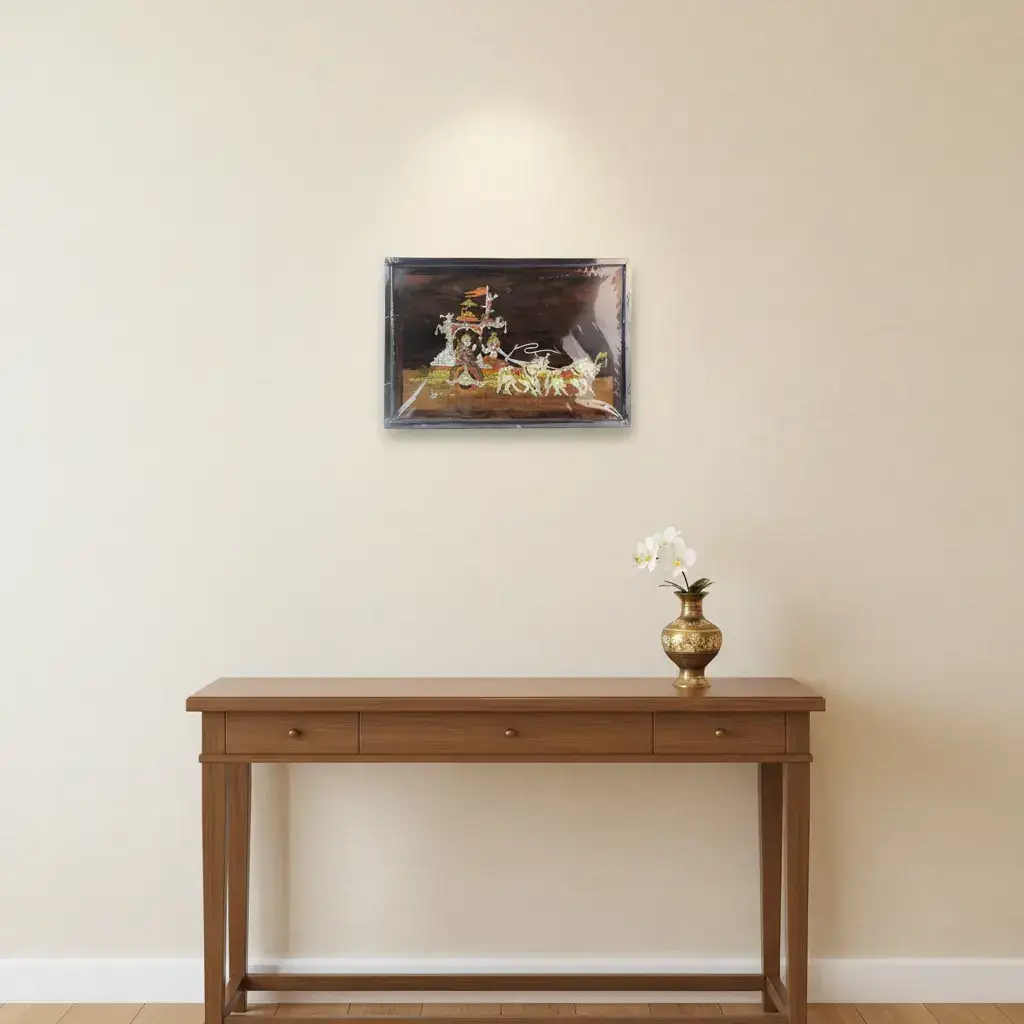
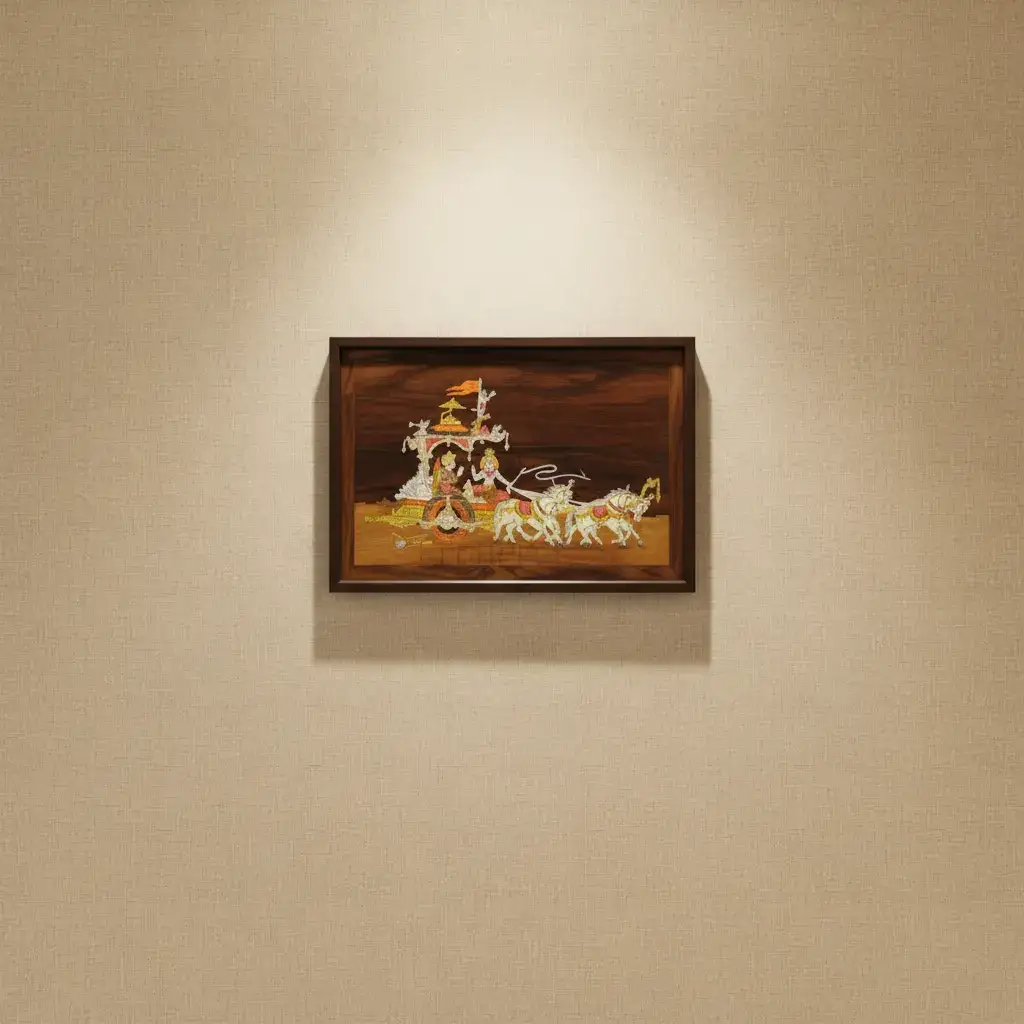
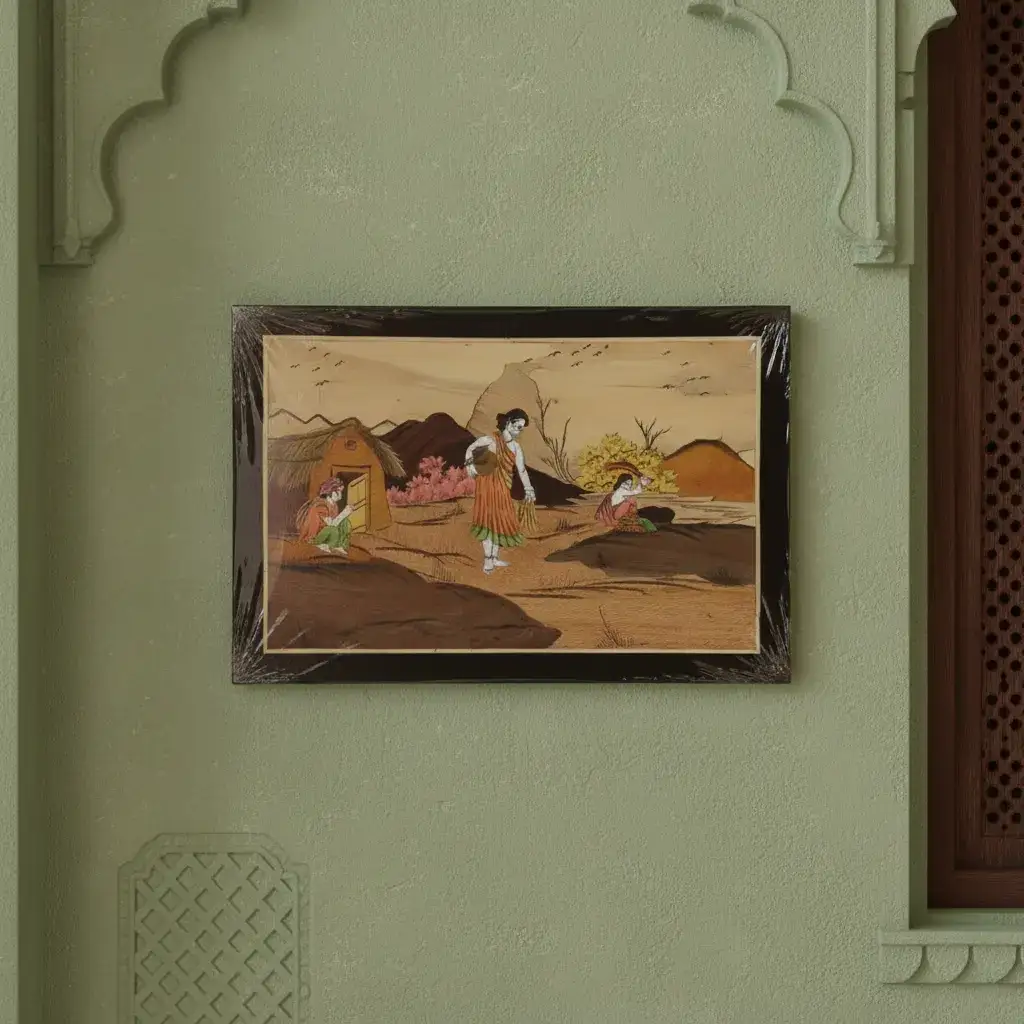
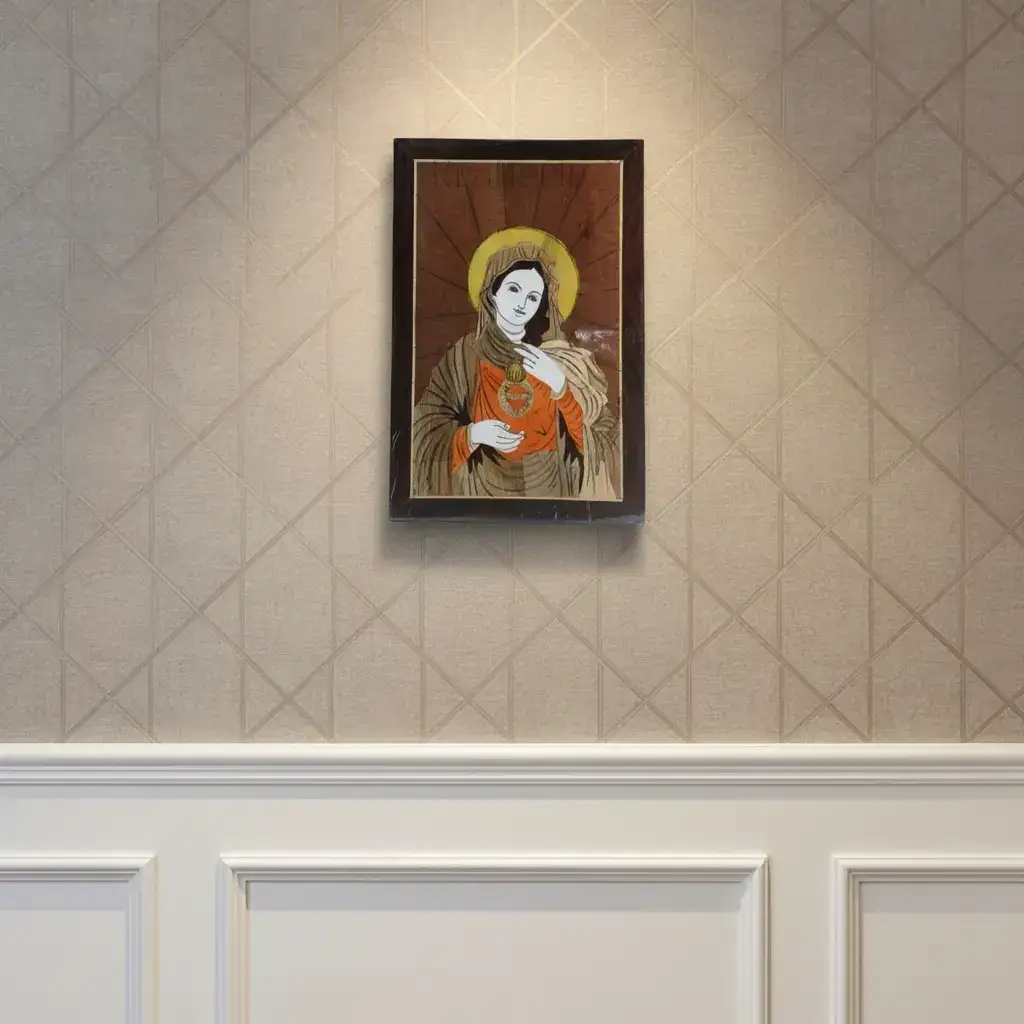
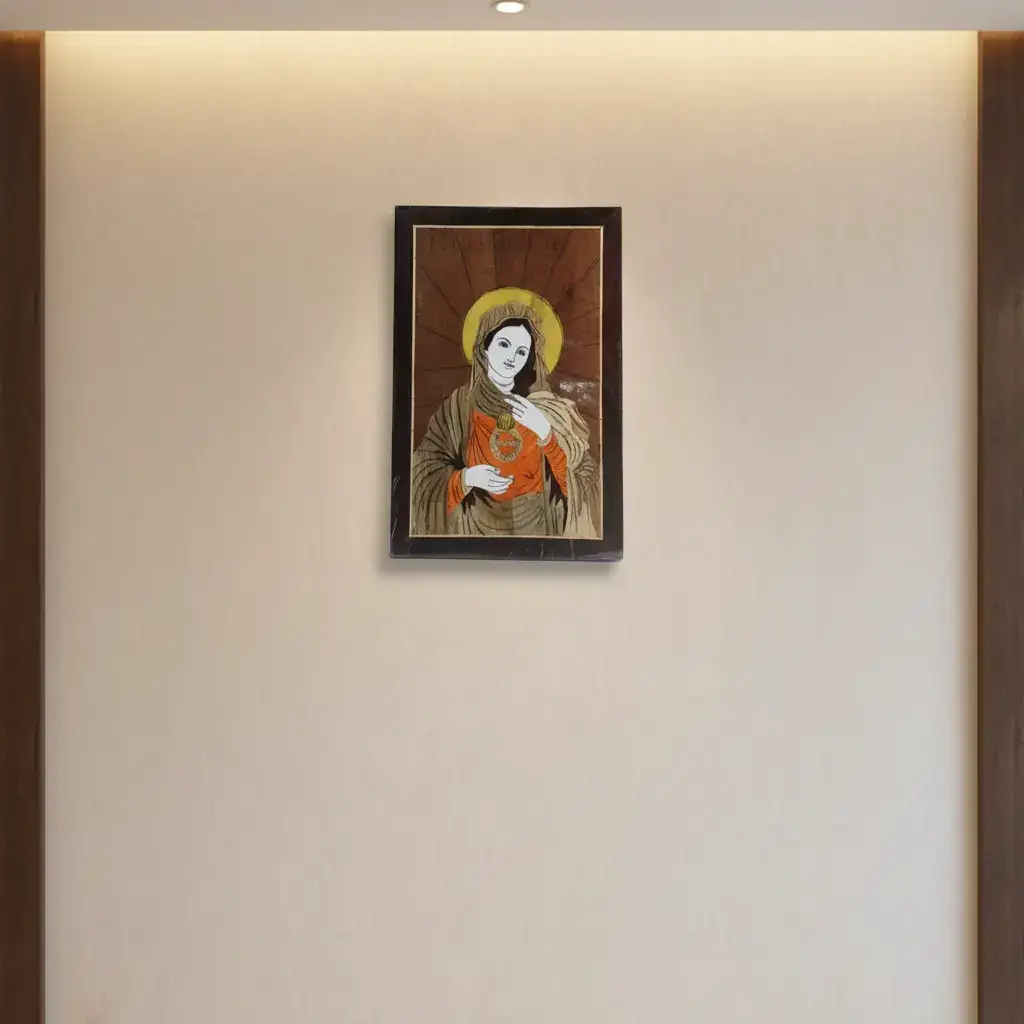
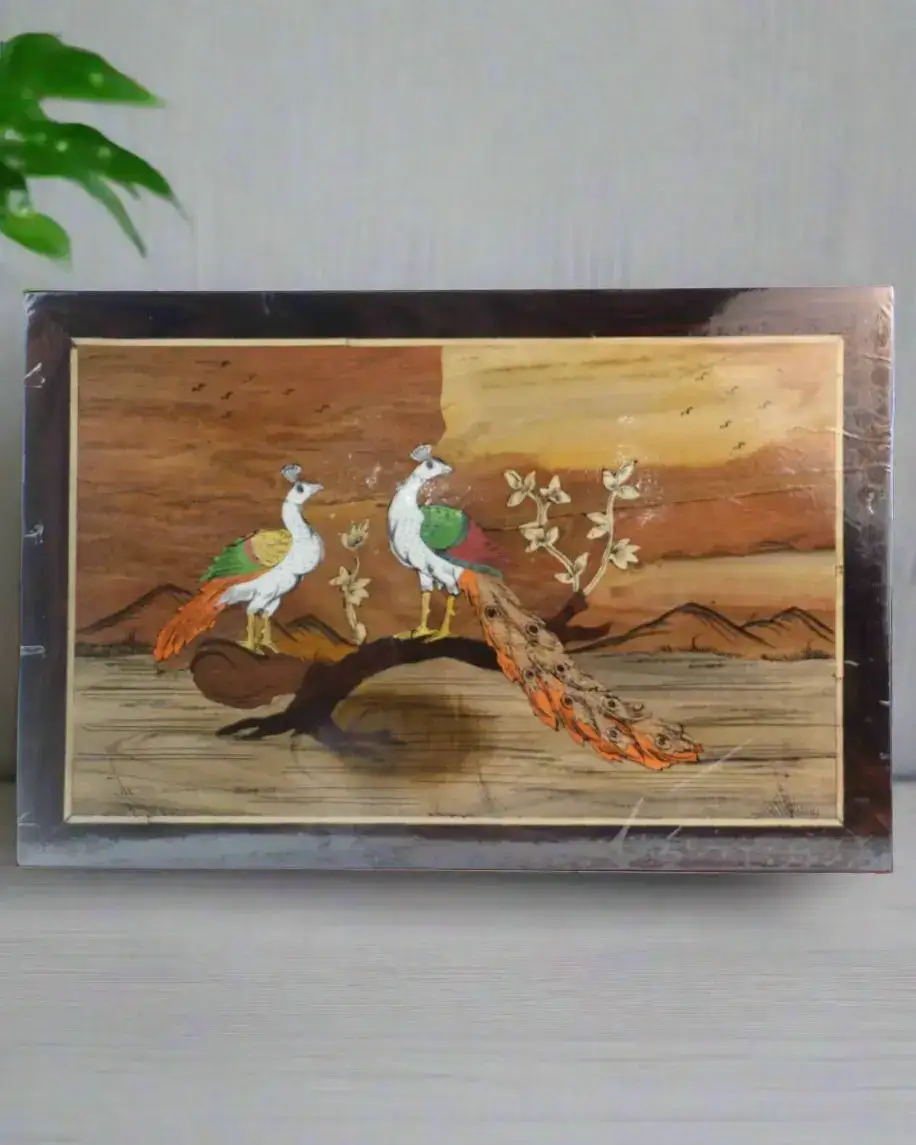
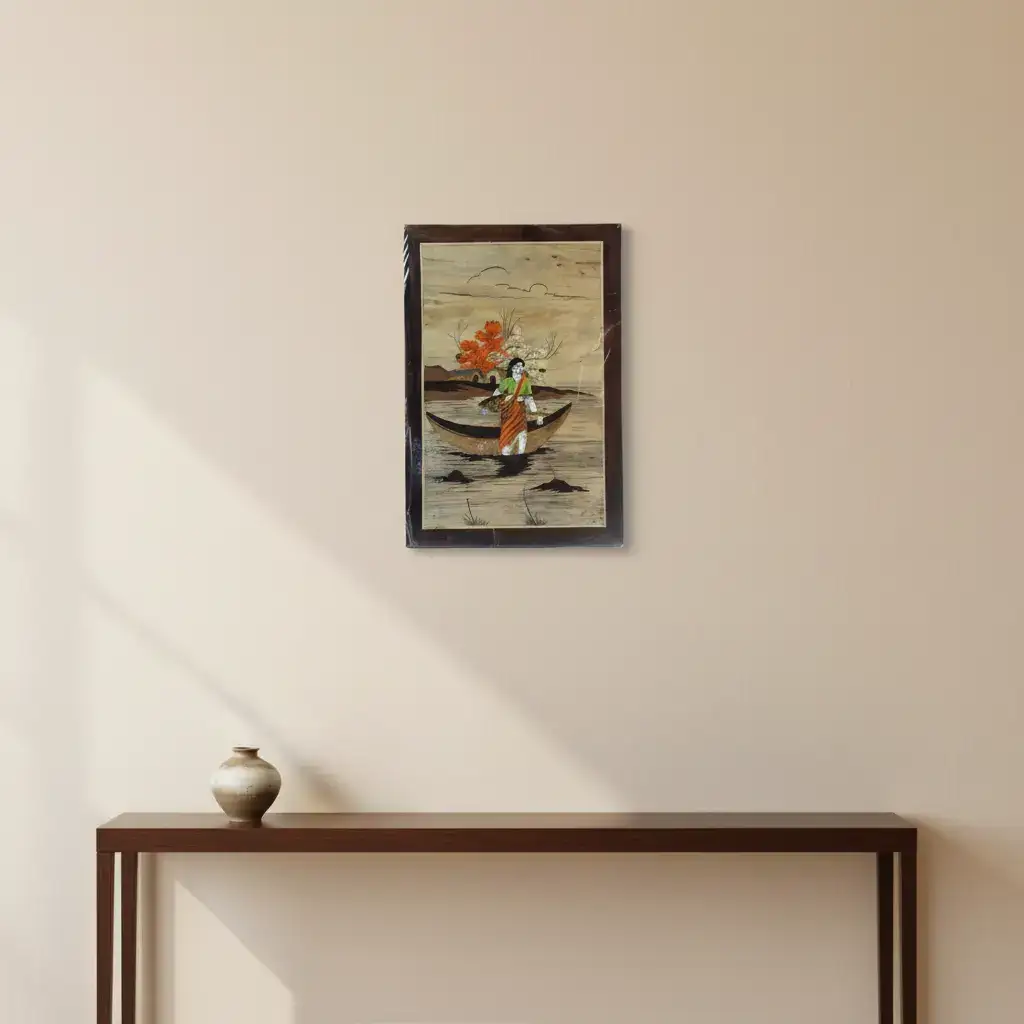
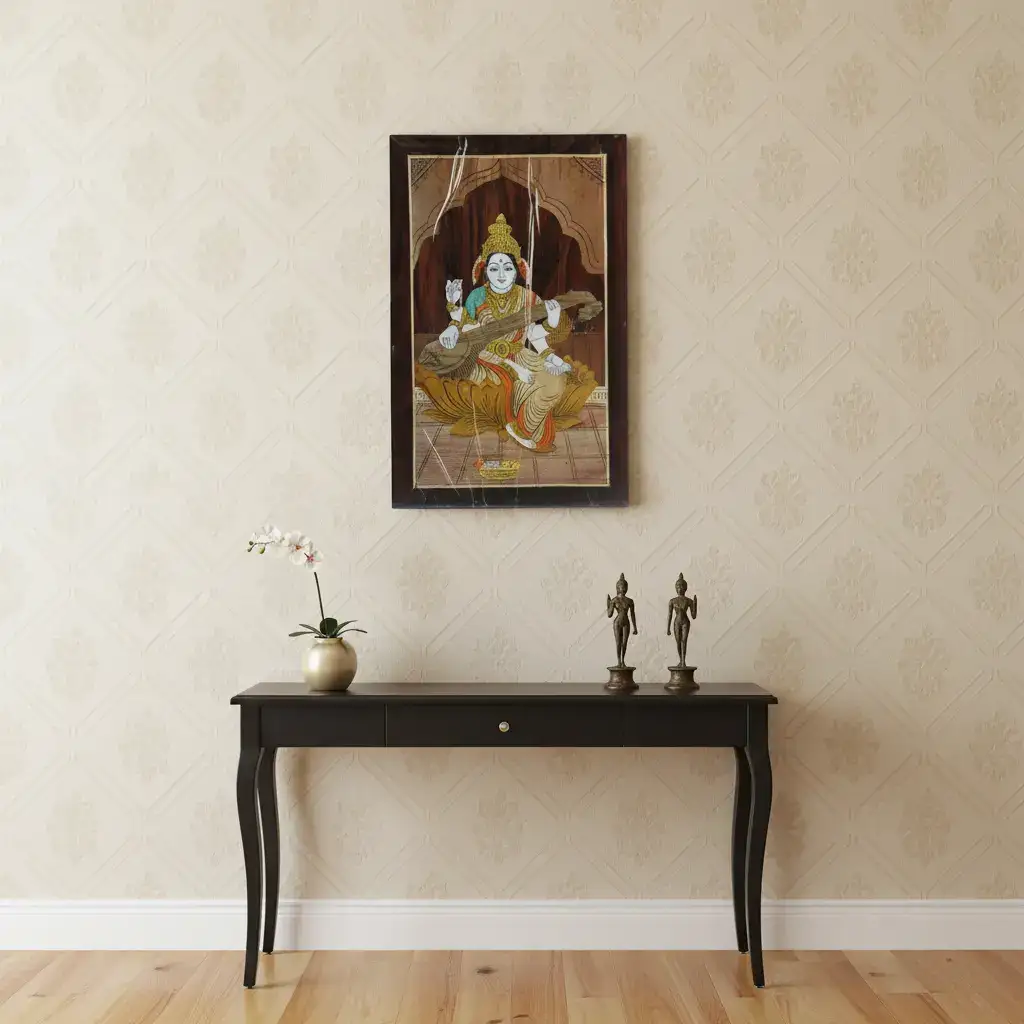
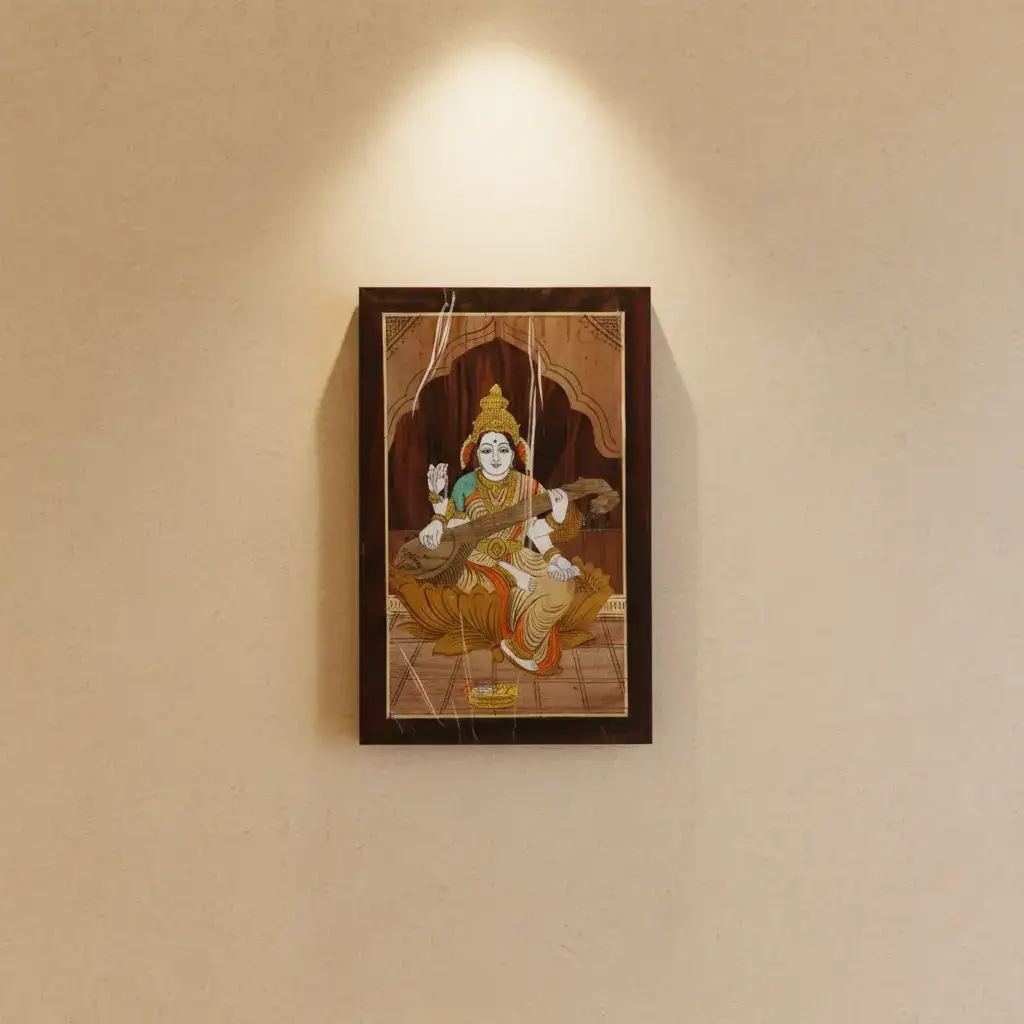
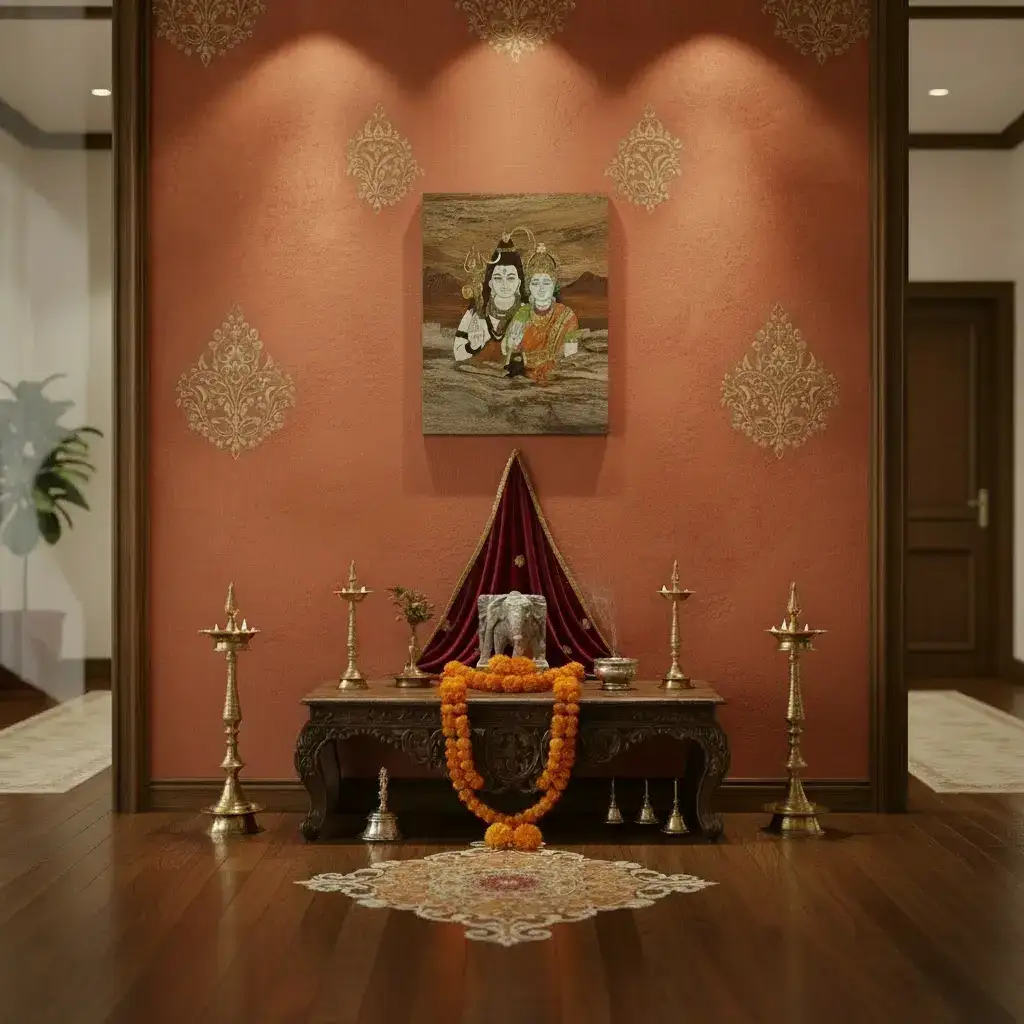
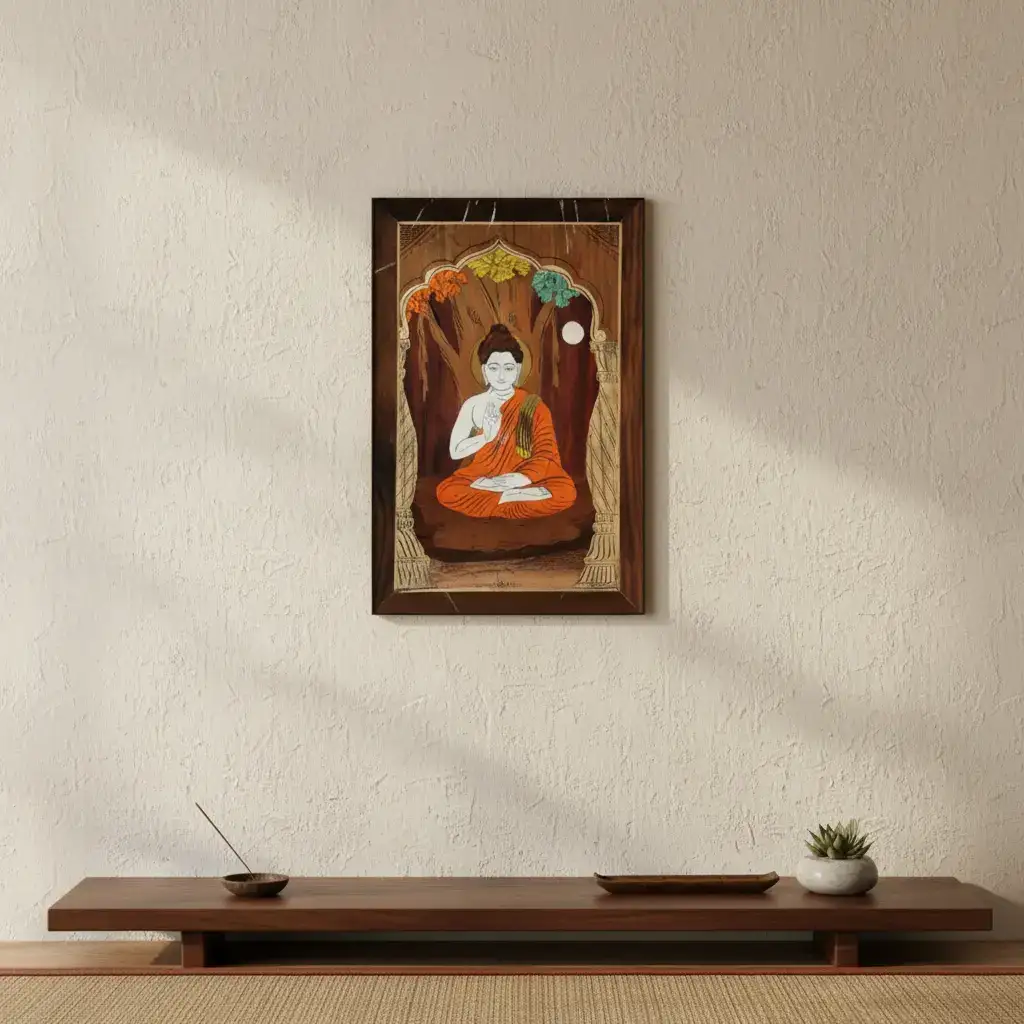
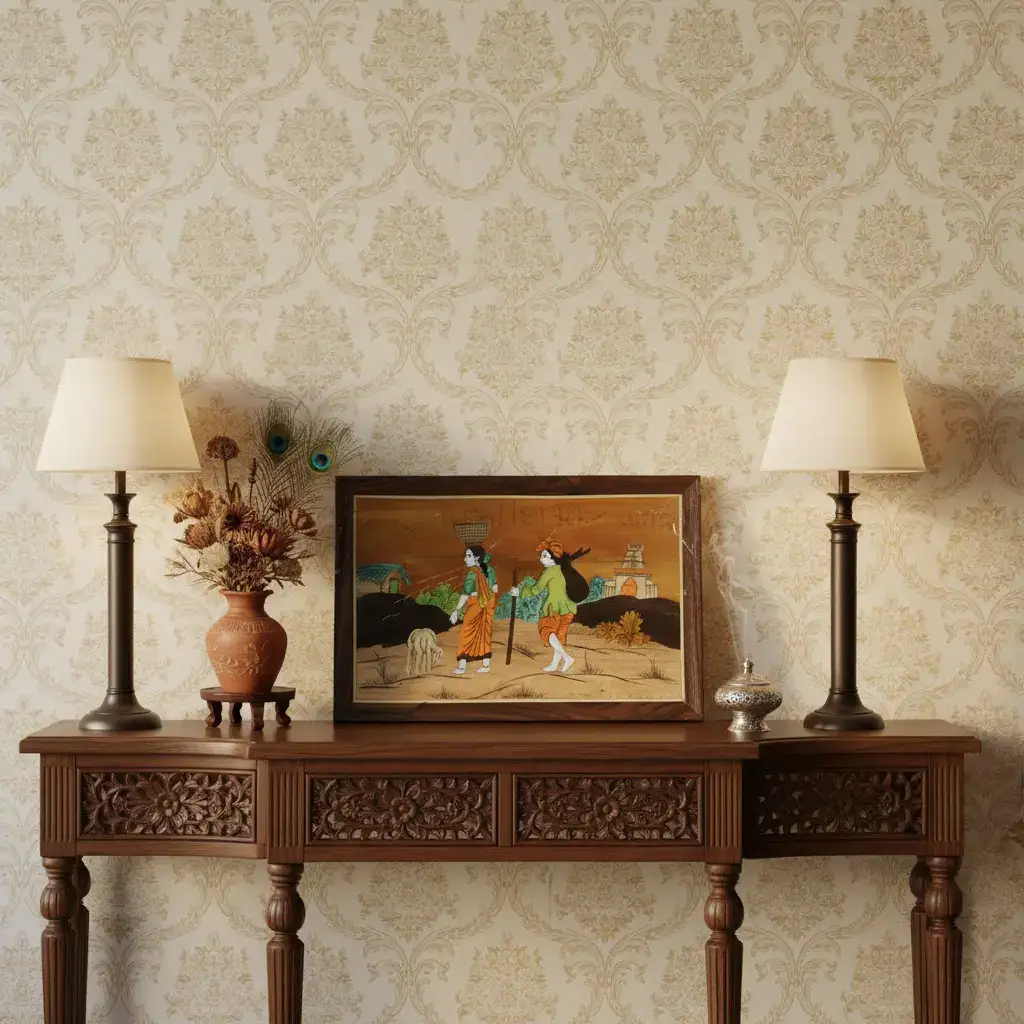
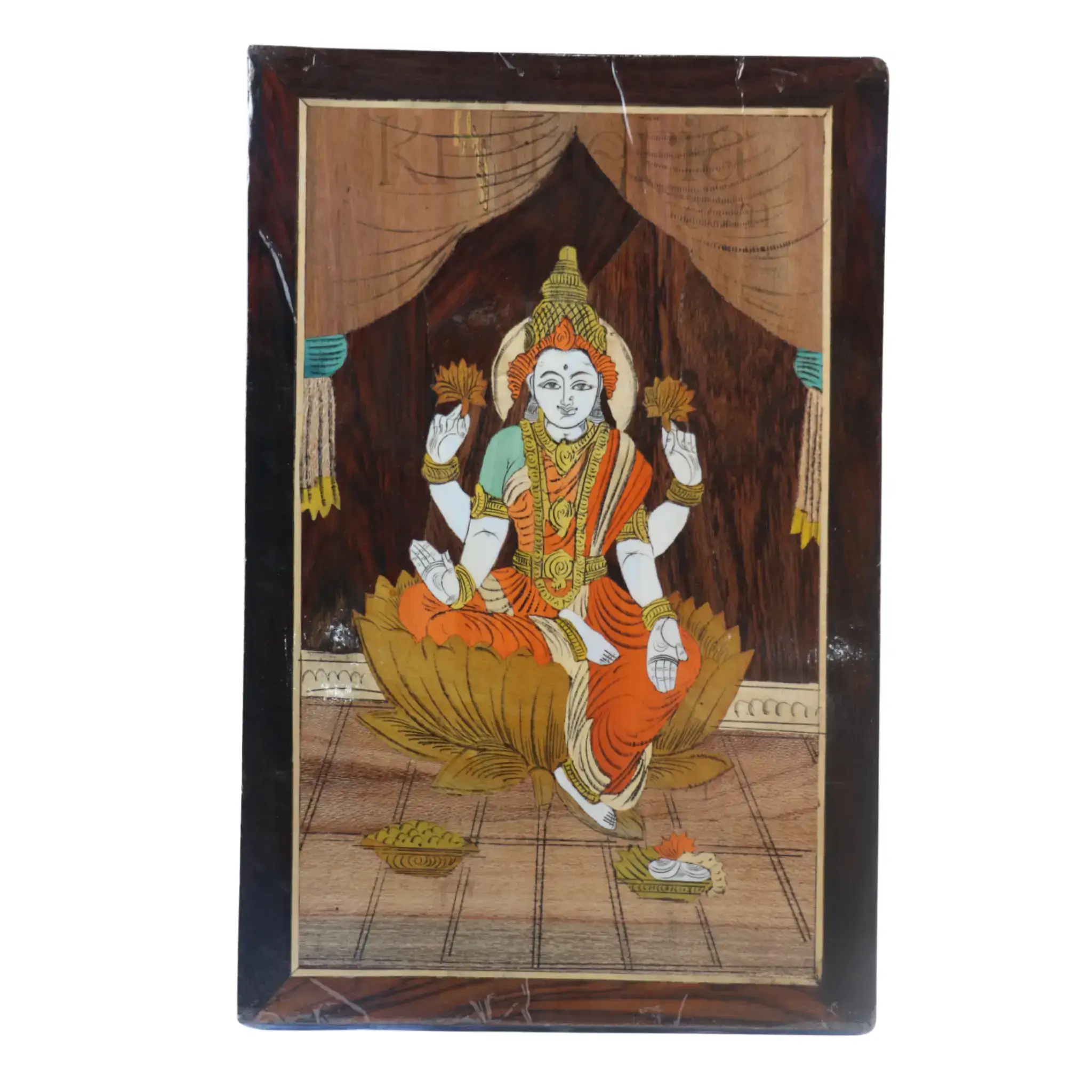
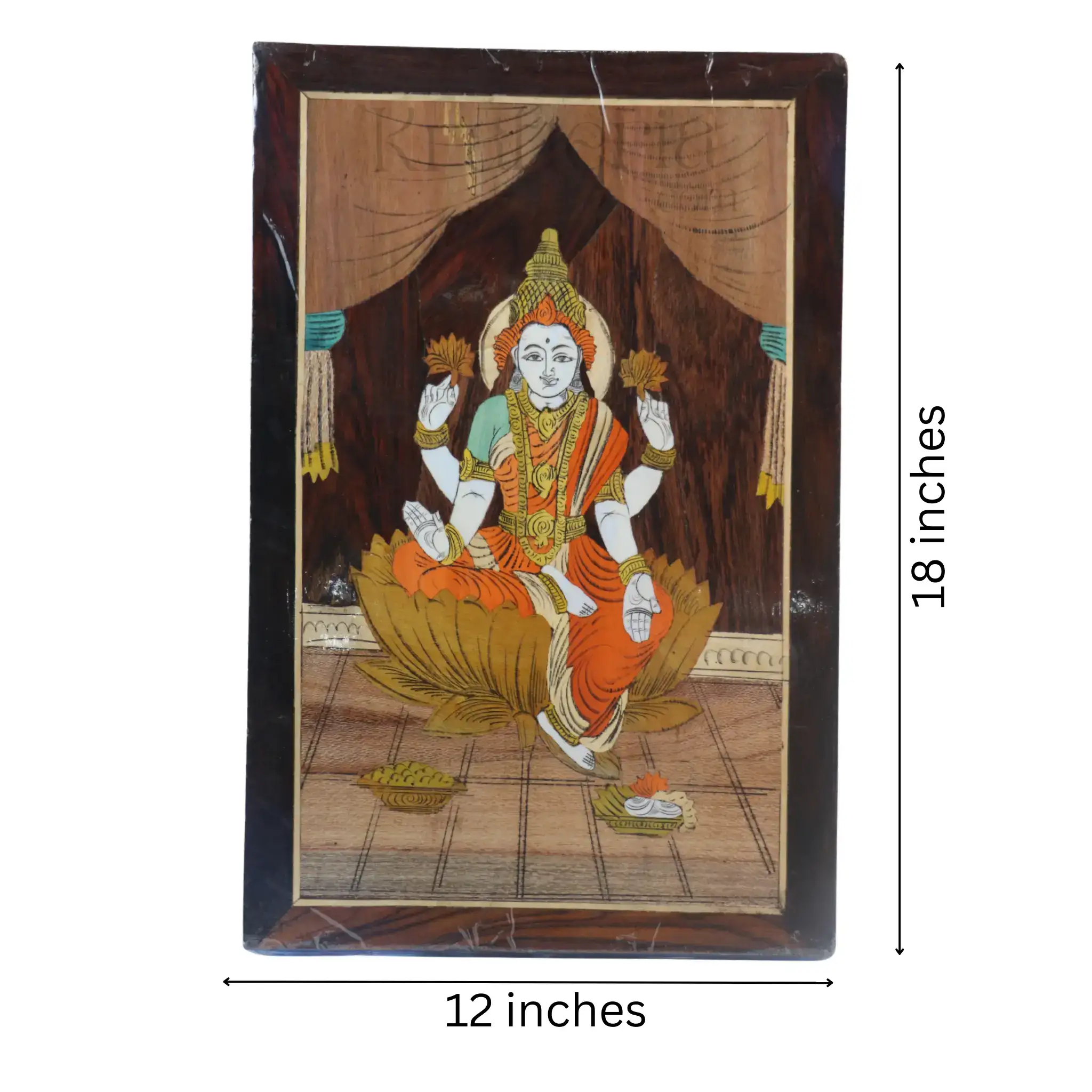
Lakshmi Devi Wooden Inlay is a beautiful example of Mysore rosewood inlay, a traditional craft from Karnataka. This craft has a rich history rooted deeply in the region's artistic heritage. The intricate designs show clear influences from Persian art, receiving patronage from historical figures like Tipu Sultan and the Wodeyar dynasty. The inlay art flourished primarily in Srirangapatna during the 18th century, gaining immense popularity for its refined craftsmanship.
Later, the Mysore Maharajas played a significant role in promoting this art form by commissioning exquisite rosewood and ivory inlay pieces. These works were often created for the Mysore Palace, showcasing the highest standards of craft. This wooden inlay reflects a long tradition of skilled artisanship in every piece made today. It is not merely an object but a symbol of cultural legacy and artistic excellence.
The Art Form of Lakshmi Devi Wooden Inlay
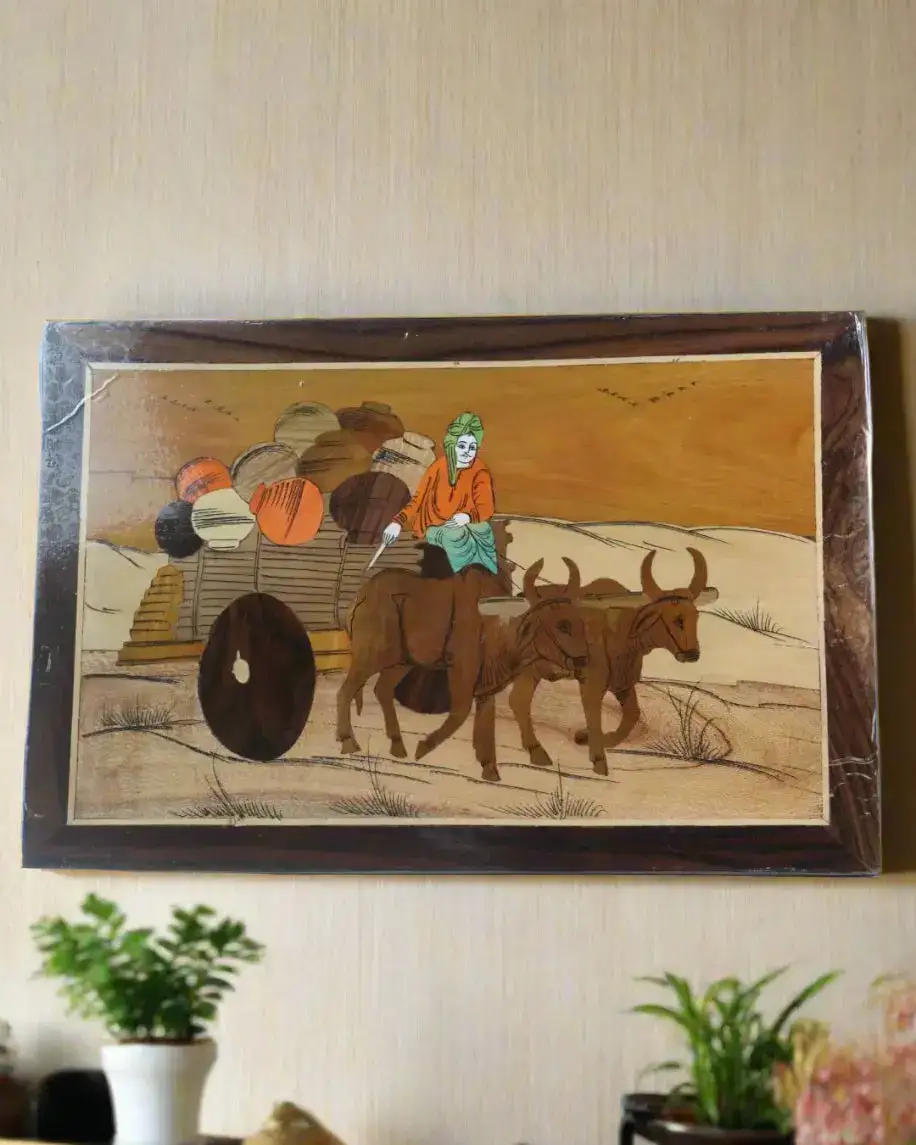
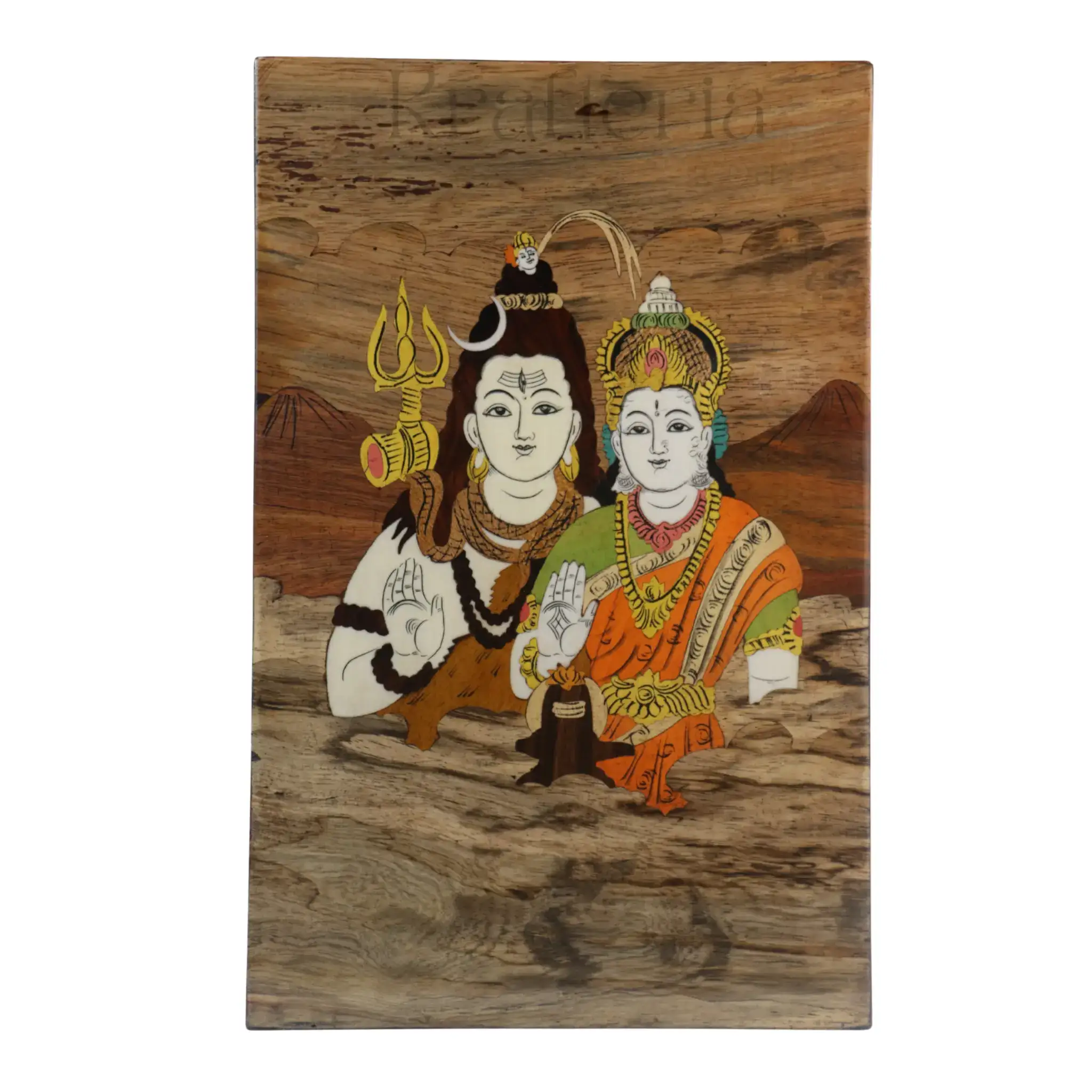
Mysore rosewood inlay involves embedding carefully cut pieces of differently colored wood into a rich rosewood base. This technique often requires remarkable precision and patience to achieve the intricate patterns that characterize this craft. Historically, artisans used not only wood but also ivory to create delicate and detailed designs that have mesmerized generations.
Each piece, whether furniture or decorative object, showcases detailed workmanship and artistry behind it. Skilled artisans continue to preserve these ancient techniques with unwavering dedication. The art’s complexity ensures that the final products are unique, reflecting the artisan’s personal touch and skill.
Modern Significance of Wooden Inlay
Today, this craft remains highly sought after both by collectors and enthusiasts. Artisans now produce a diverse range of items such as furniture, decorative pieces, and religious artifacts that attract buyers worldwide. The craft has also been awarded a Geographical Indication (GI) tag, ensuring its authenticity and protecting its cultural value globally.
This GI tag certifies the origin and superior quality of these traditional products. Contemporary craftsmen blend traditional methods with modern design trends to keep the art form relevant and appealing in today’s market. Collectors and admirers appreciate this work not only for its beauty but also for its cultural and spiritual importance.
Preserving Art and Heritage
The preservation of this craft is crucial for maintaining the connection between past and present artisans. Skilled craftsmen pass down their expertise and knowledge through generations, ensuring the art survives. The designs frequently incorporate motifs inspired by nature, religious symbolism, and geometric patterns.
These motifs often echo spiritual significance linked to goddess Lakshmi, symbolizing wealth and prosperity. Local communities also benefit economically from this craft, as it attracts tourists and collectors globally. Contemporary artists use their knowledge to innovate new designs, balancing tradition with modernity.
This blend of old and new techniques keeps the craft vibrant and evolving. Additionally, the art form complements other regional cultural crafts enriched by shared influences. For example, it sometimes incorporates elements inspired by the devotion surrounding vaishno devi and its variations like vaishnodevi, adding a spiritual dimension to the pieces.
Each creation represents a fusion of history, craftsmanship, and cultural significance. The name "Lakshmi" itself connects to local crafts and religious contexts, spiritually linking the artwork to the goddess. Such associations enhance the meaning and appeal of the inlay pieces in homes and temples alike.
The continuing tradition supports a broader cultural heritage that embraces artistry and spirituality. By protecting and promoting this craft, artisans help preserve these stories and techniques. The art form’s enduring value lies in its ability to convey cultural narratives while serving as functional and decorative objects.
Collectors find immense joy in owning a Lakshmi Devi Wooden Inlay piece that is both a testament to expert craftsmanship and a symbol of cultural pride. Whether admired for its artistic detail or spiritual connection, this craft holds a special place in South Indian art. As artisans innovate and adapt, the tradition of Lakshmi Devi Wooden Inlay will continue to thrive, enriching lives and spaces.
Original: $2,299.00
-70%$2,299.00
$689.70Product Information
Product Information
Shipping & Returns
Shipping & Returns
Description
Lakshmi Devi Wooden Inlay is a beautiful example of Mysore rosewood inlay, a traditional craft from Karnataka. This craft has a rich history rooted deeply in the region's artistic heritage. The intricate designs show clear influences from Persian art, receiving patronage from historical figures like Tipu Sultan and the Wodeyar dynasty. The inlay art flourished primarily in Srirangapatna during the 18th century, gaining immense popularity for its refined craftsmanship.
Later, the Mysore Maharajas played a significant role in promoting this art form by commissioning exquisite rosewood and ivory inlay pieces. These works were often created for the Mysore Palace, showcasing the highest standards of craft. This wooden inlay reflects a long tradition of skilled artisanship in every piece made today. It is not merely an object but a symbol of cultural legacy and artistic excellence.
The Art Form of Lakshmi Devi Wooden Inlay
Mysore rosewood inlay involves embedding carefully cut pieces of differently colored wood into a rich rosewood base. This technique often requires remarkable precision and patience to achieve the intricate patterns that characterize this craft. Historically, artisans used not only wood but also ivory to create delicate and detailed designs that have mesmerized generations.
Each piece, whether furniture or decorative object, showcases detailed workmanship and artistry behind it. Skilled artisans continue to preserve these ancient techniques with unwavering dedication. The art’s complexity ensures that the final products are unique, reflecting the artisan’s personal touch and skill.
Modern Significance of Wooden Inlay
Today, this craft remains highly sought after both by collectors and enthusiasts. Artisans now produce a diverse range of items such as furniture, decorative pieces, and religious artifacts that attract buyers worldwide. The craft has also been awarded a Geographical Indication (GI) tag, ensuring its authenticity and protecting its cultural value globally.
This GI tag certifies the origin and superior quality of these traditional products. Contemporary craftsmen blend traditional methods with modern design trends to keep the art form relevant and appealing in today’s market. Collectors and admirers appreciate this work not only for its beauty but also for its cultural and spiritual importance.
Preserving Art and Heritage
The preservation of this craft is crucial for maintaining the connection between past and present artisans. Skilled craftsmen pass down their expertise and knowledge through generations, ensuring the art survives. The designs frequently incorporate motifs inspired by nature, religious symbolism, and geometric patterns.
These motifs often echo spiritual significance linked to goddess Lakshmi, symbolizing wealth and prosperity. Local communities also benefit economically from this craft, as it attracts tourists and collectors globally. Contemporary artists use their knowledge to innovate new designs, balancing tradition with modernity.
This blend of old and new techniques keeps the craft vibrant and evolving. Additionally, the art form complements other regional cultural crafts enriched by shared influences. For example, it sometimes incorporates elements inspired by the devotion surrounding vaishno devi and its variations like vaishnodevi, adding a spiritual dimension to the pieces.
Each creation represents a fusion of history, craftsmanship, and cultural significance. The name "Lakshmi" itself connects to local crafts and religious contexts, spiritually linking the artwork to the goddess. Such associations enhance the meaning and appeal of the inlay pieces in homes and temples alike.
The continuing tradition supports a broader cultural heritage that embraces artistry and spirituality. By protecting and promoting this craft, artisans help preserve these stories and techniques. The art form’s enduring value lies in its ability to convey cultural narratives while serving as functional and decorative objects.
Collectors find immense joy in owning a Lakshmi Devi Wooden Inlay piece that is both a testament to expert craftsmanship and a symbol of cultural pride. Whether admired for its artistic detail or spiritual connection, this craft holds a special place in South Indian art. As artisans innovate and adapt, the tradition of Lakshmi Devi Wooden Inlay will continue to thrive, enriching lives and spaces.