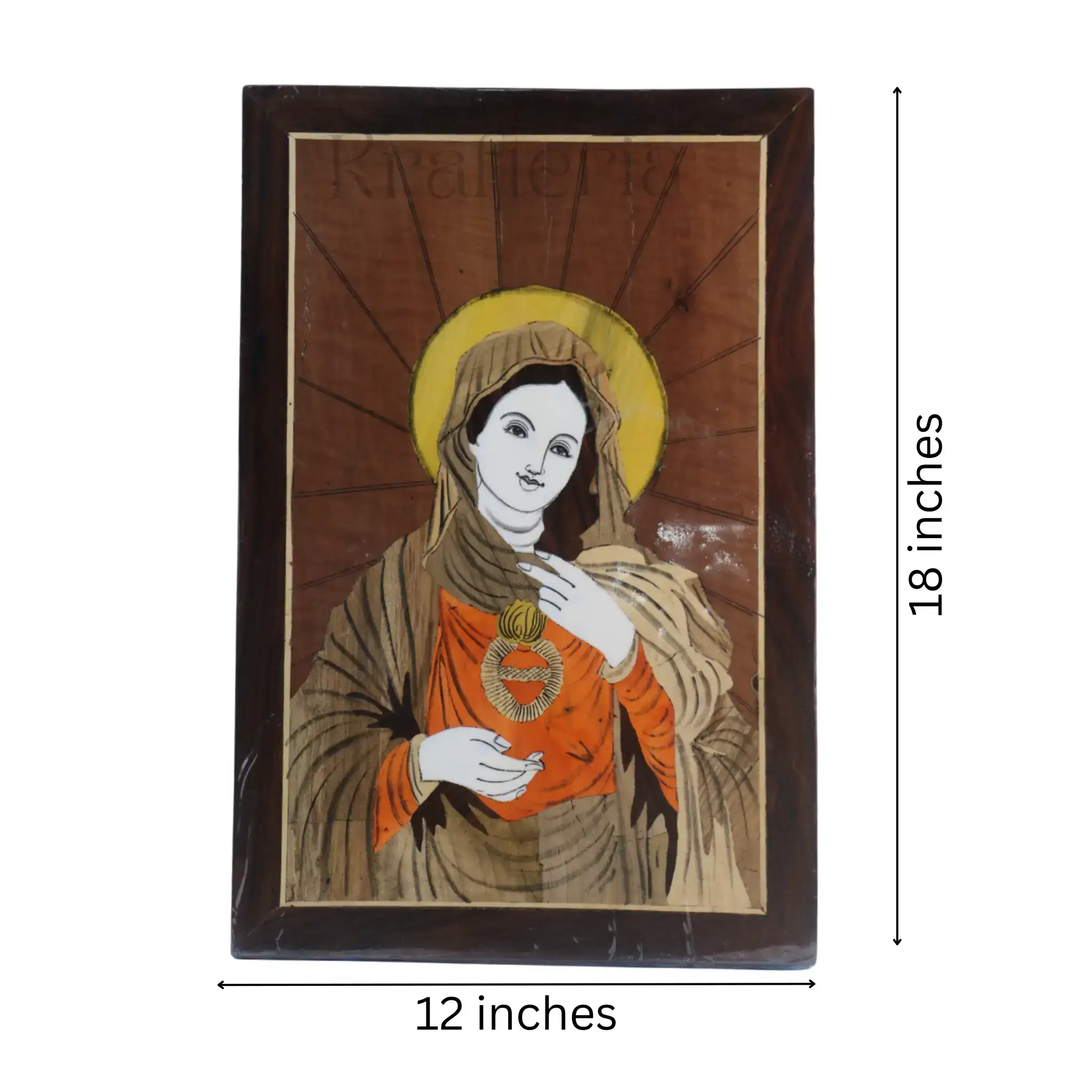
Mother Mary | Mary Mata Rosewood Inlay – Handcrafted Spiritual Wall Frame
Mary Mata Rosewood Inlay, also known as Mysore rosewood inlay, is a traditional craft of Karnataka. Its history is deeply rooted in the region's rich artistic heritage. This art form reflects cultural influences from Persia. It also gained patronage from Tipu Sultan and the Wodeyar dynasty. The craft flourished notably in Srirangapatna during the 18th century. Later, Mysore Maharajas further promoted it by commissioning intricate rosewood and ivory inlay works for the Mysore Palace. Mary Mata Rosewood Inlay has thus become a symbol of exquisite craftsmanship and cultural legacy.
The Art Form of Mary Mata Rosewood Inlay
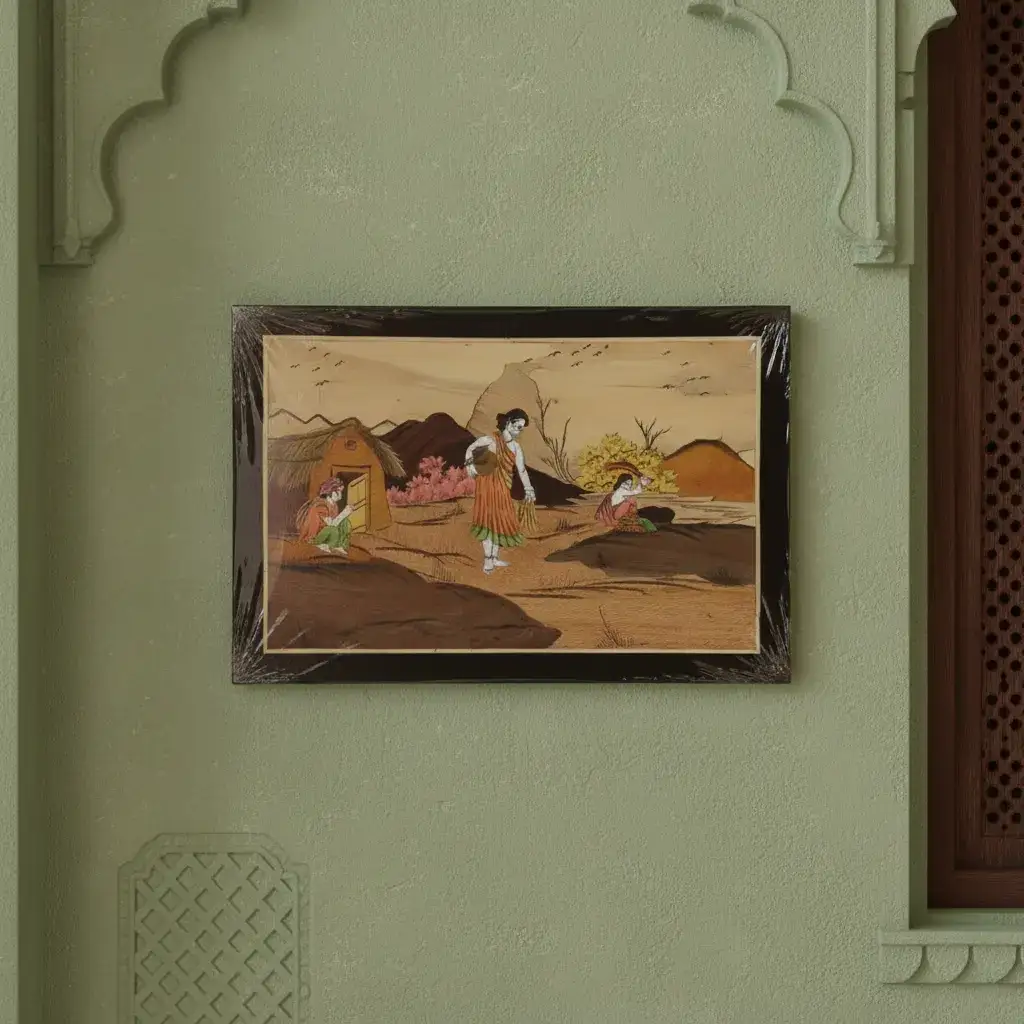
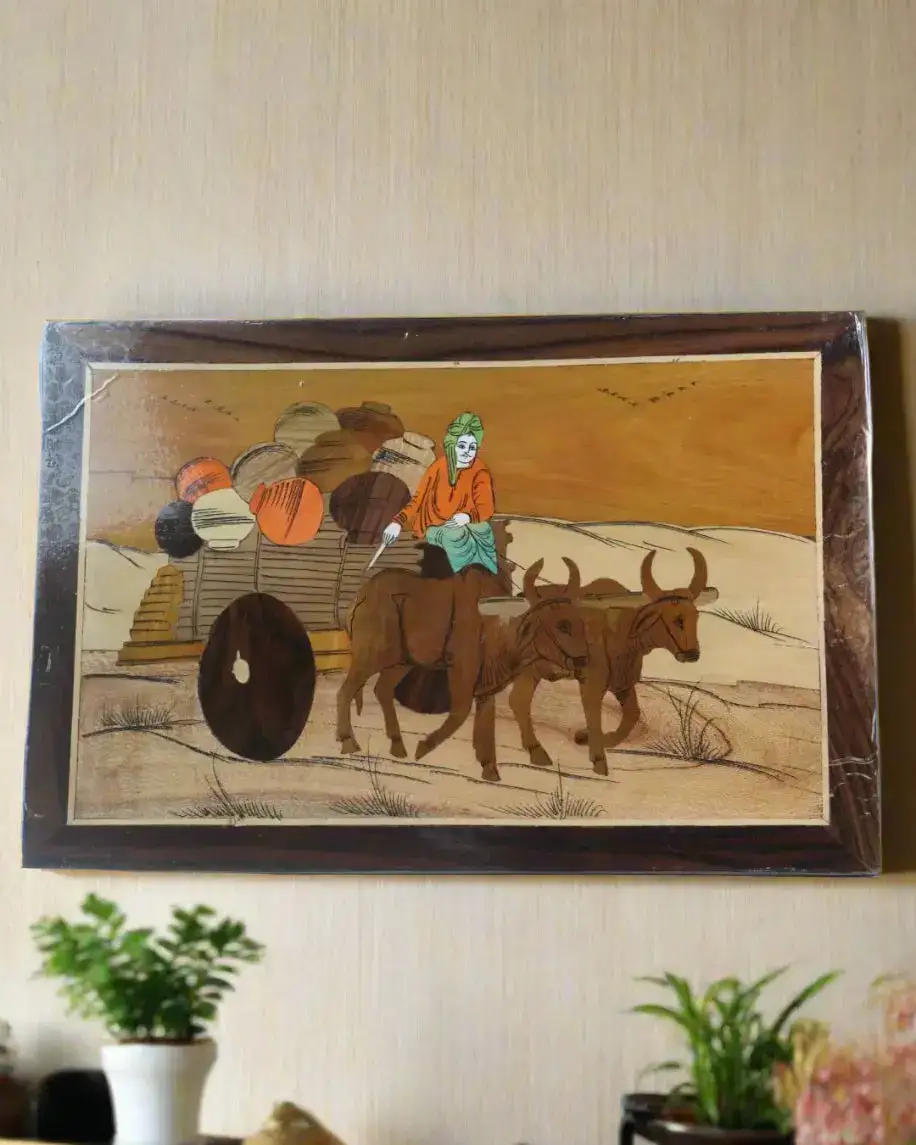
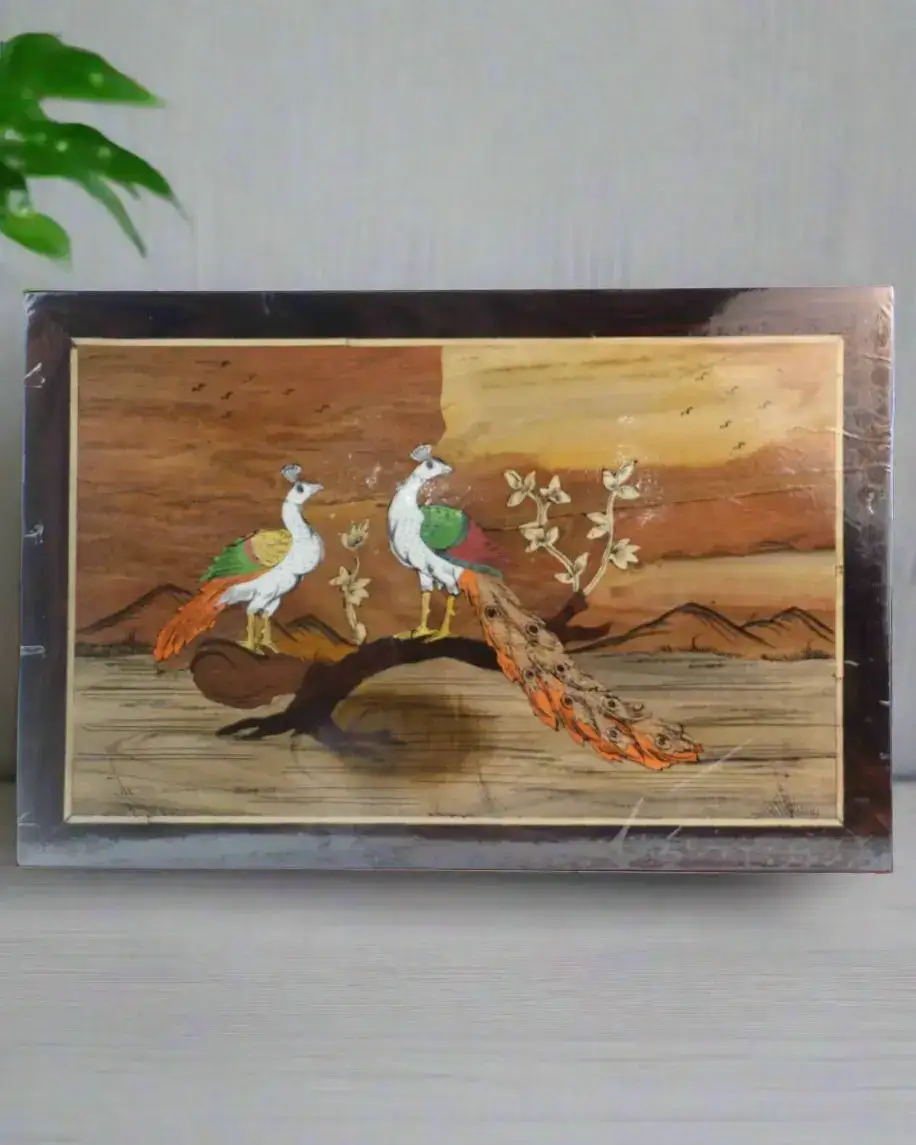
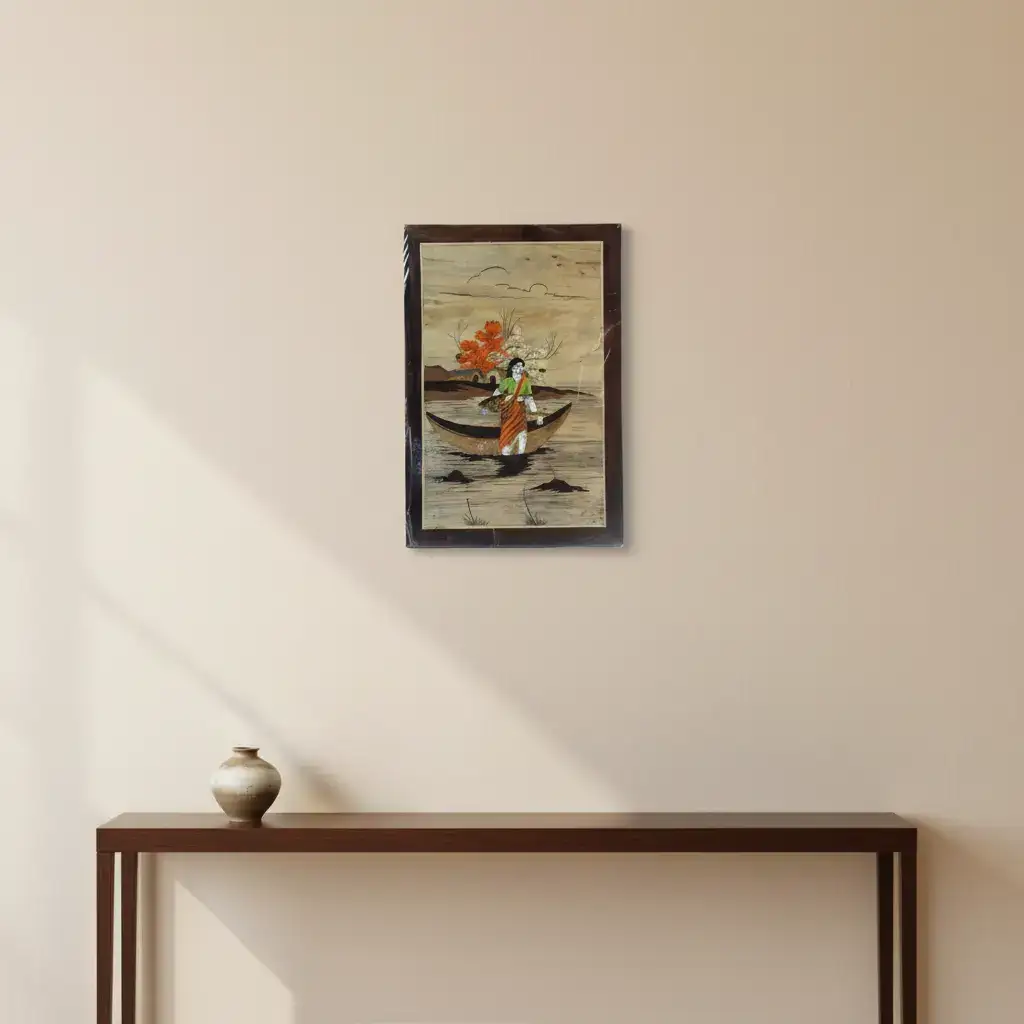
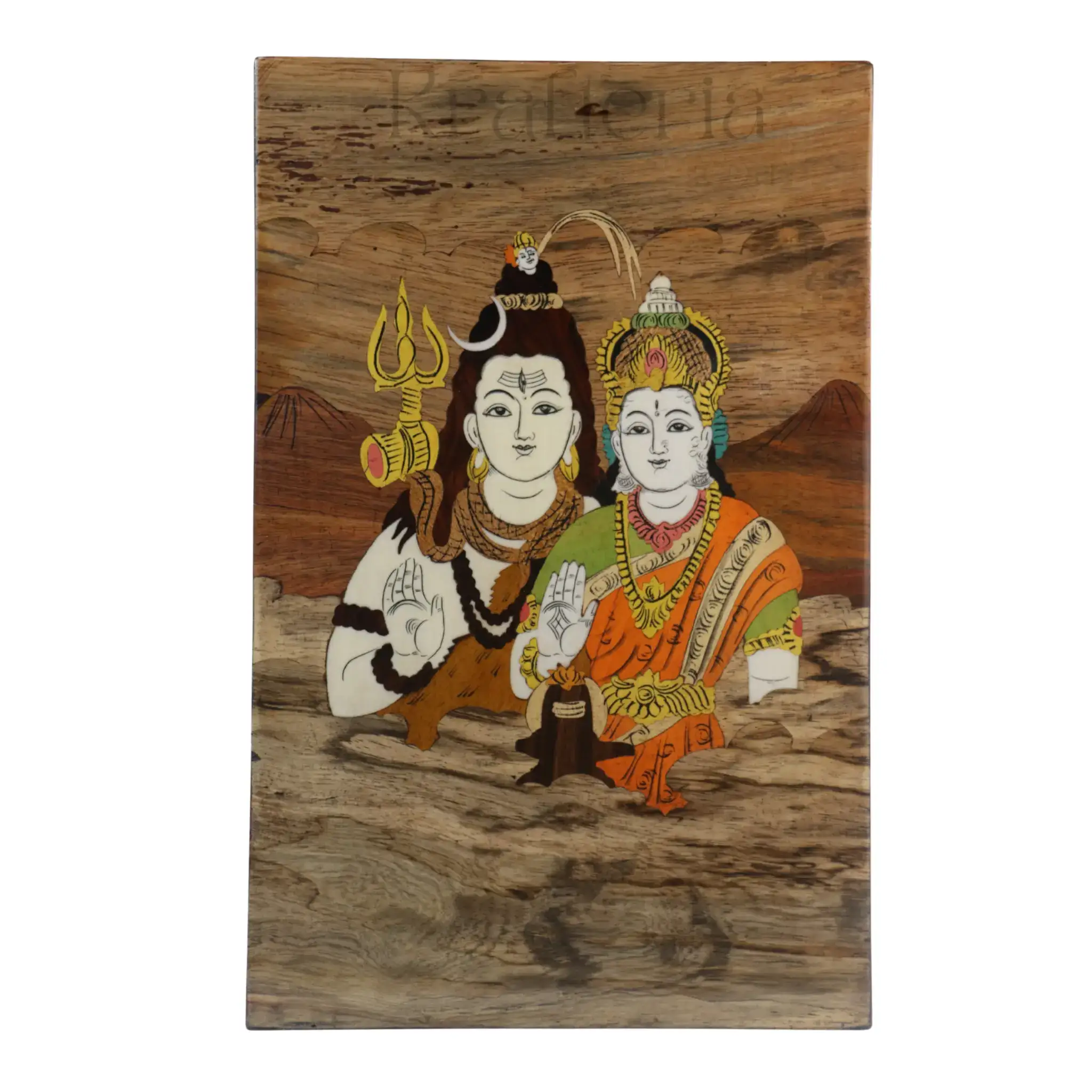
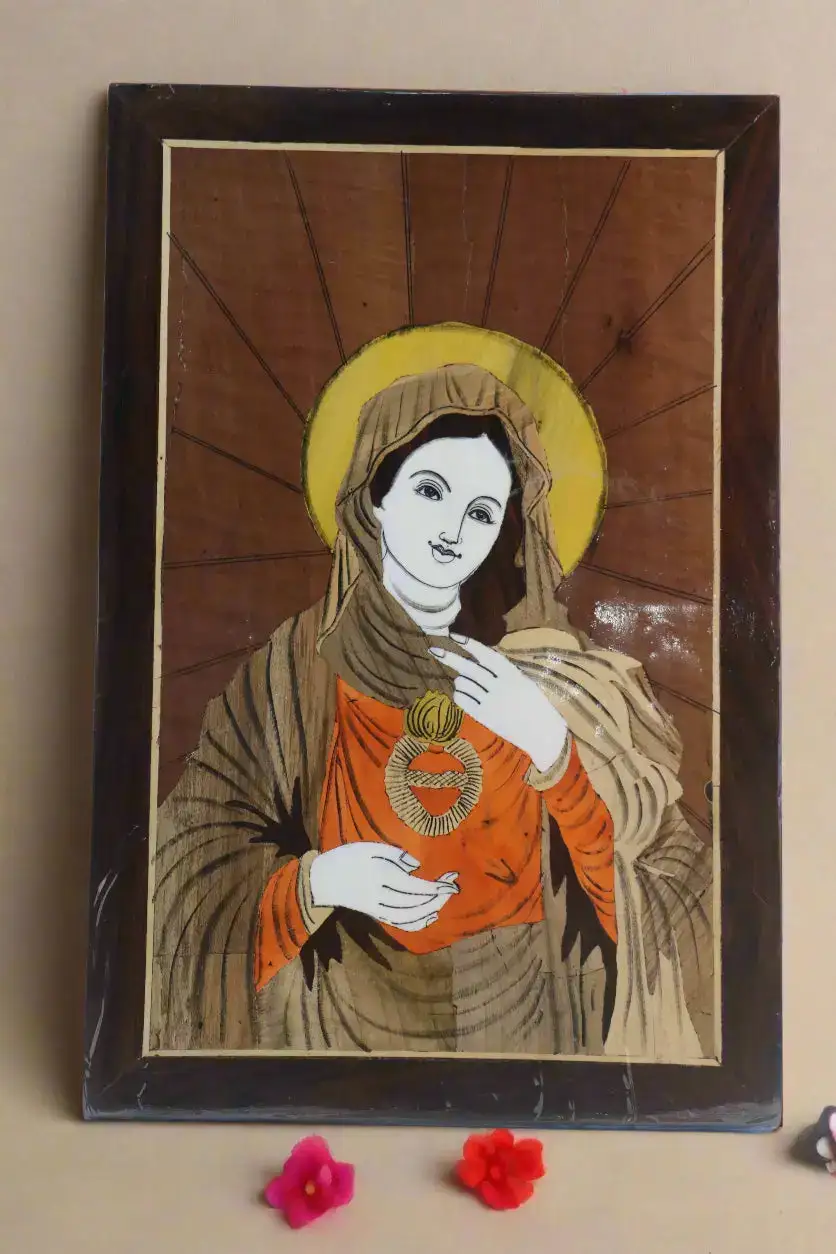
This craft involves creating detailed designs. Artisans embed pieces of wood in different colors to form intricate patterns. Historically, ivory was used alongside wood. These pieces are carefully inlaid into a rosewood base. This technique requires remarkable skill and patience. Each craft piece is a unique testament to dedication and artistry. The designs often depict floral, geometric, and sometimes religious motifs, reflecting the region's aesthetics and artistry.
Traditional Techniques in the Rosewood Inlay Craft
The process begins with selecting the finest rosewood, known for its durability and rich texture. Artisans then cut and shape colored wooden pieces. Ivory pieces were historically incorporated, adding elegance and contrast. The materials are inlaid with painstaking precision onto the rosewood base. Skilled craftsmen polish the final product to enhance its shine and smoothness. This technique has been passed down through generations, preserving the authenticity of this traditional craft form.
Mother Mary and the Religious Motifs in Rosewood Inlay
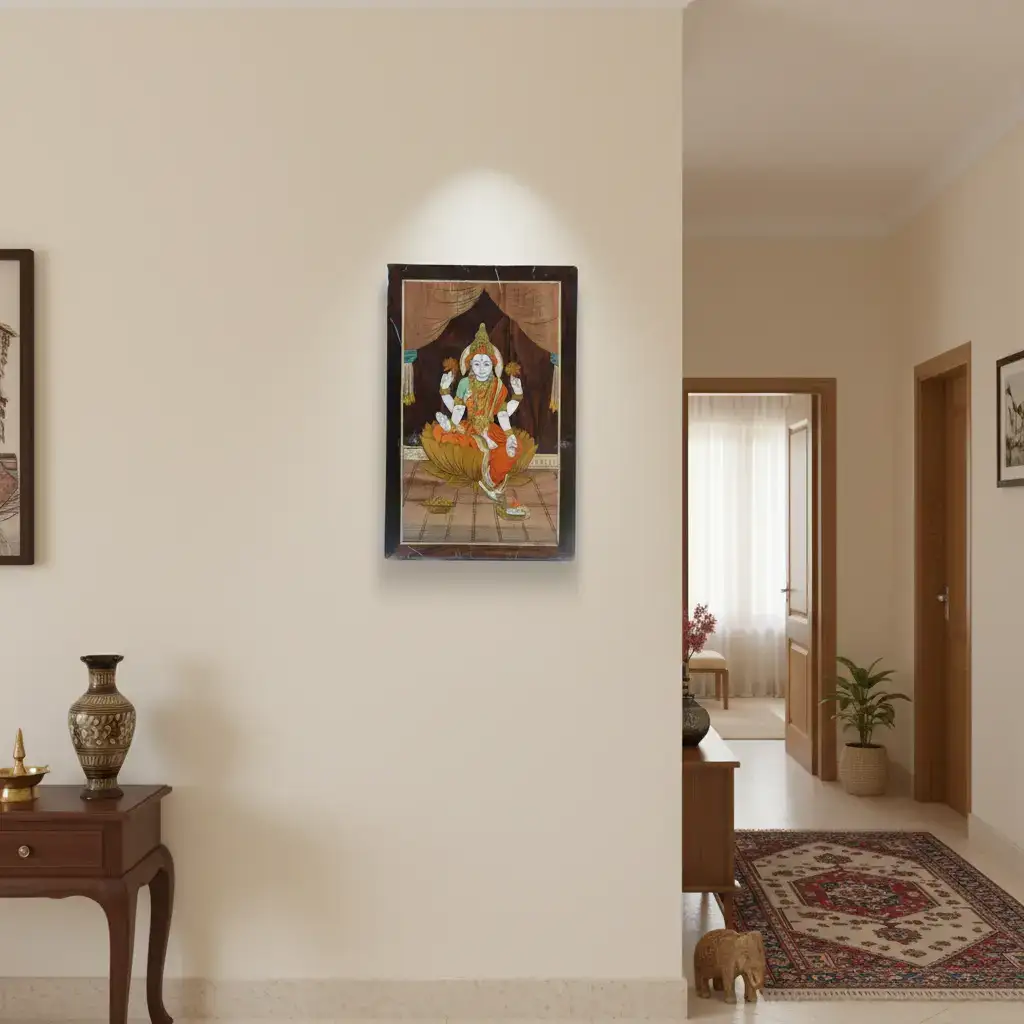
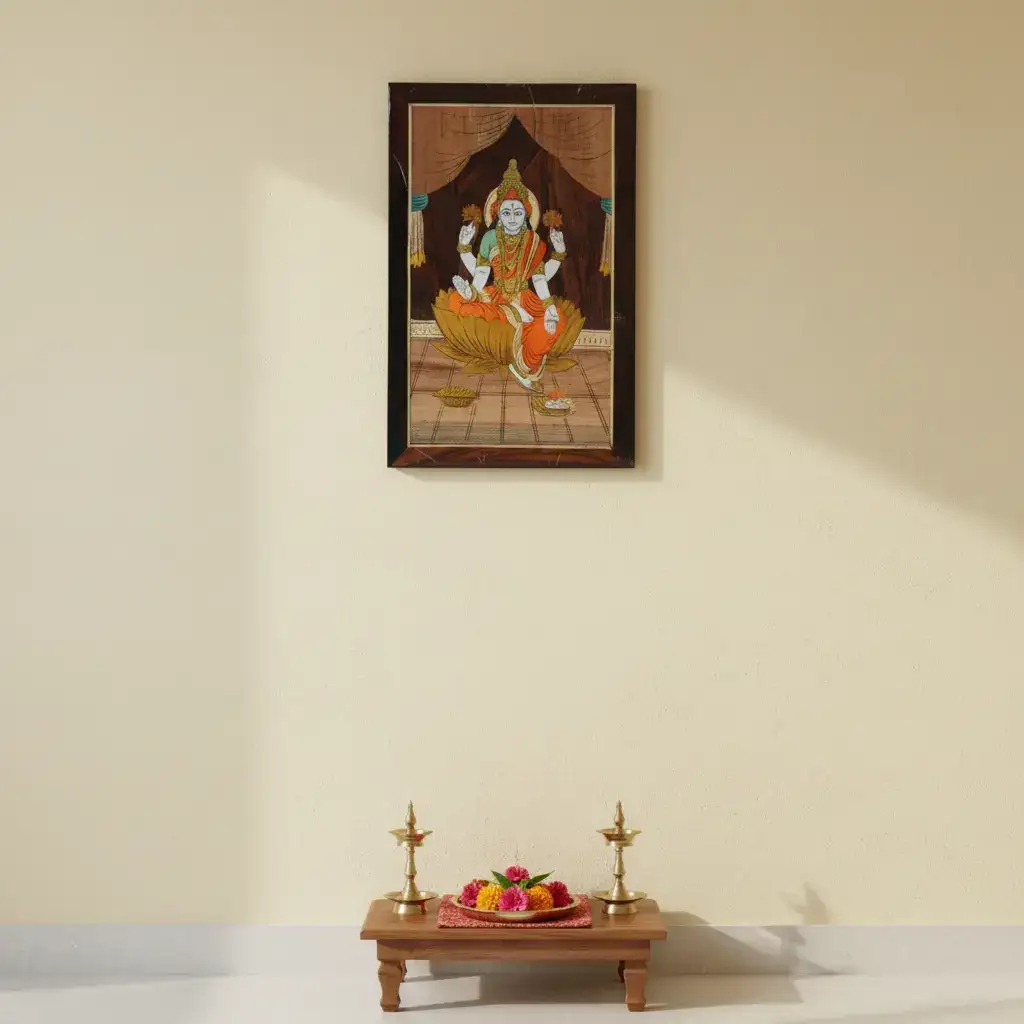
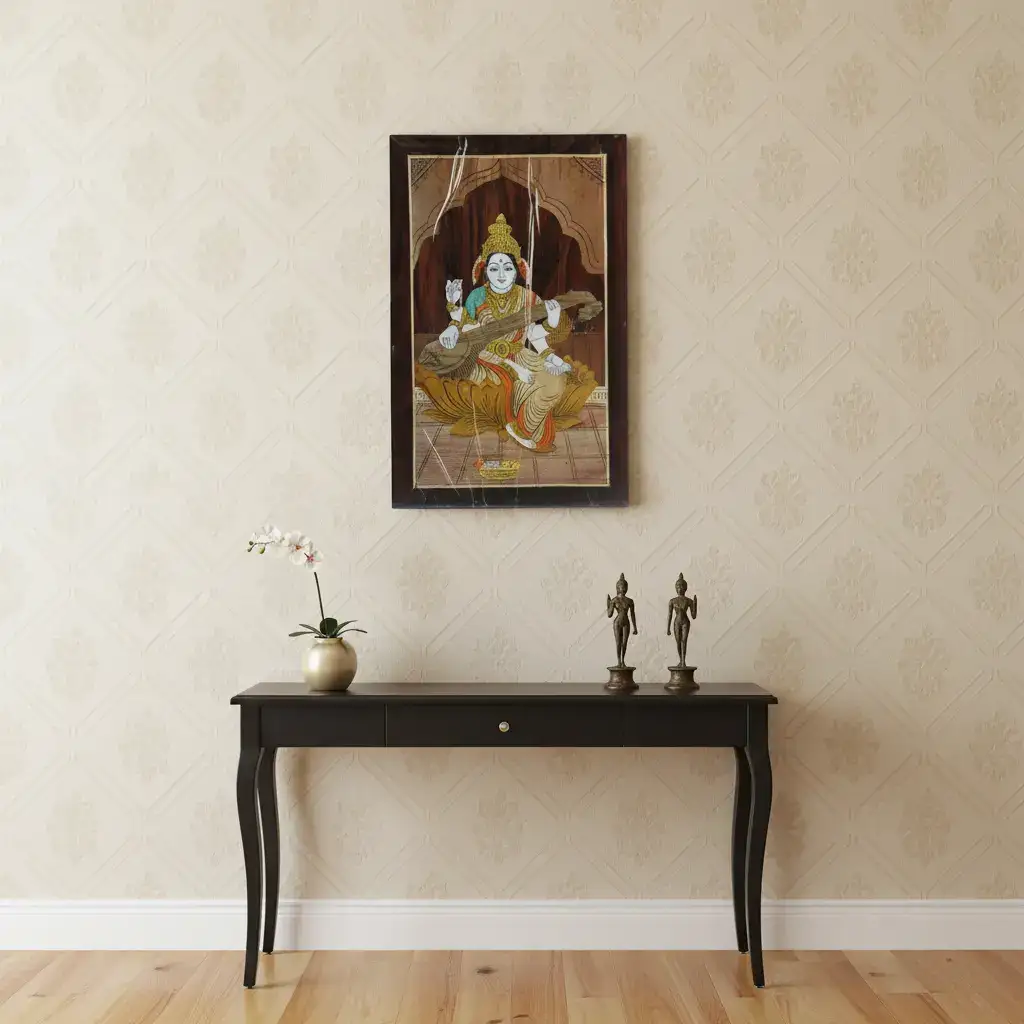
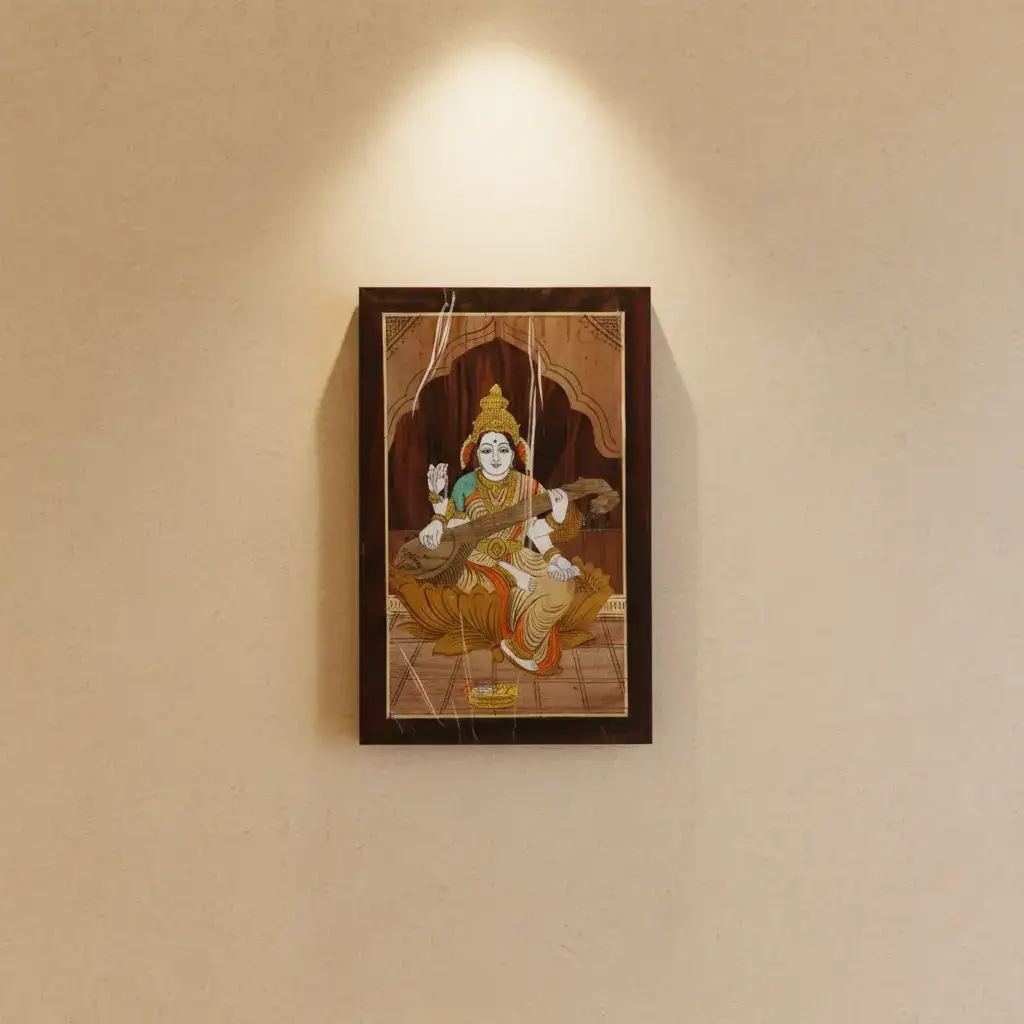
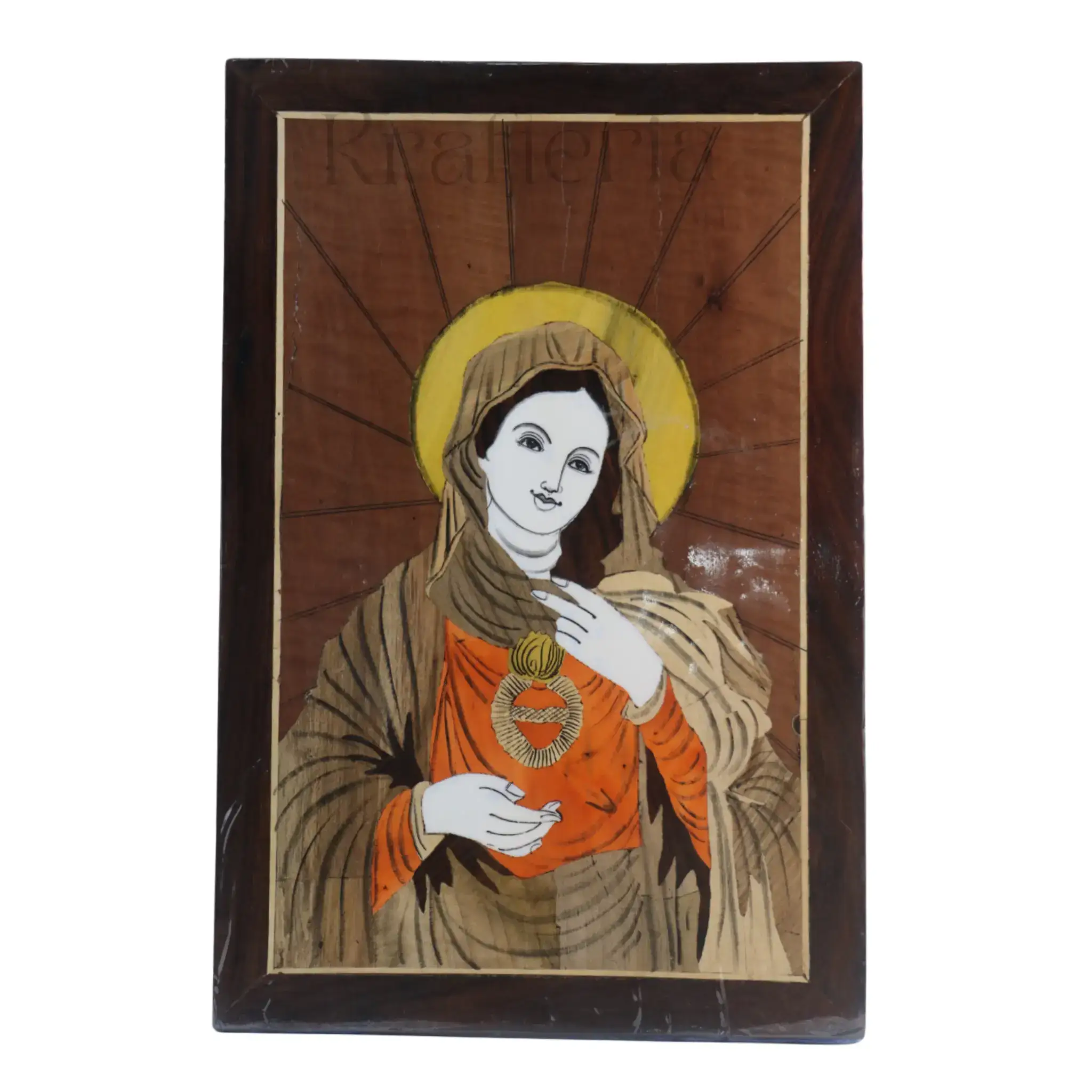
Religious symbolism plays a key role in some works. The representation of Mother Mary can be found in certain designs, showing spirituality's influence. These motifs add a sacred aspect to the art. Mary frame decorations are often part of this craftsmanship. They symbolize reverence and devotion. The intricate details provide depth and meaning, making each piece not only decorative but spiritually significant. The marriage of faith and art is evident in these objects.
Modern Significance and Recognition of Rosewood Inlay
Today, the art continues to thrive as an important craft form. Artisans produce a variety of decorative items, furniture, and unique objects. The craft’s quality has been recognized by a Geographical Indication (GI) tag. This tag acknowledges the unique origin and authenticity of the work. Many contemporary artists innovate while honoring traditional techniques. The global appreciation for this craft has grown, with collectors and art enthusiasts seeking these masterpieces.
The Role of the Frame in Contemporary Craft
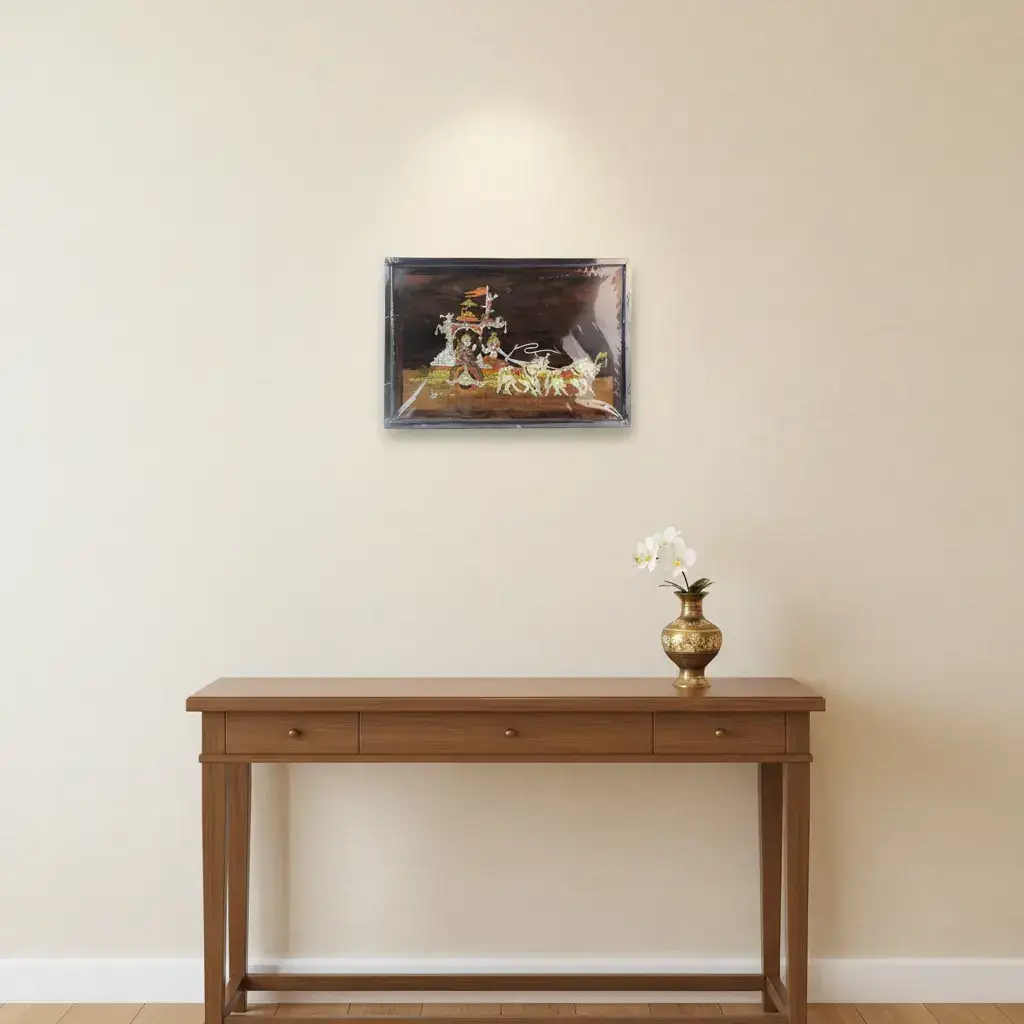
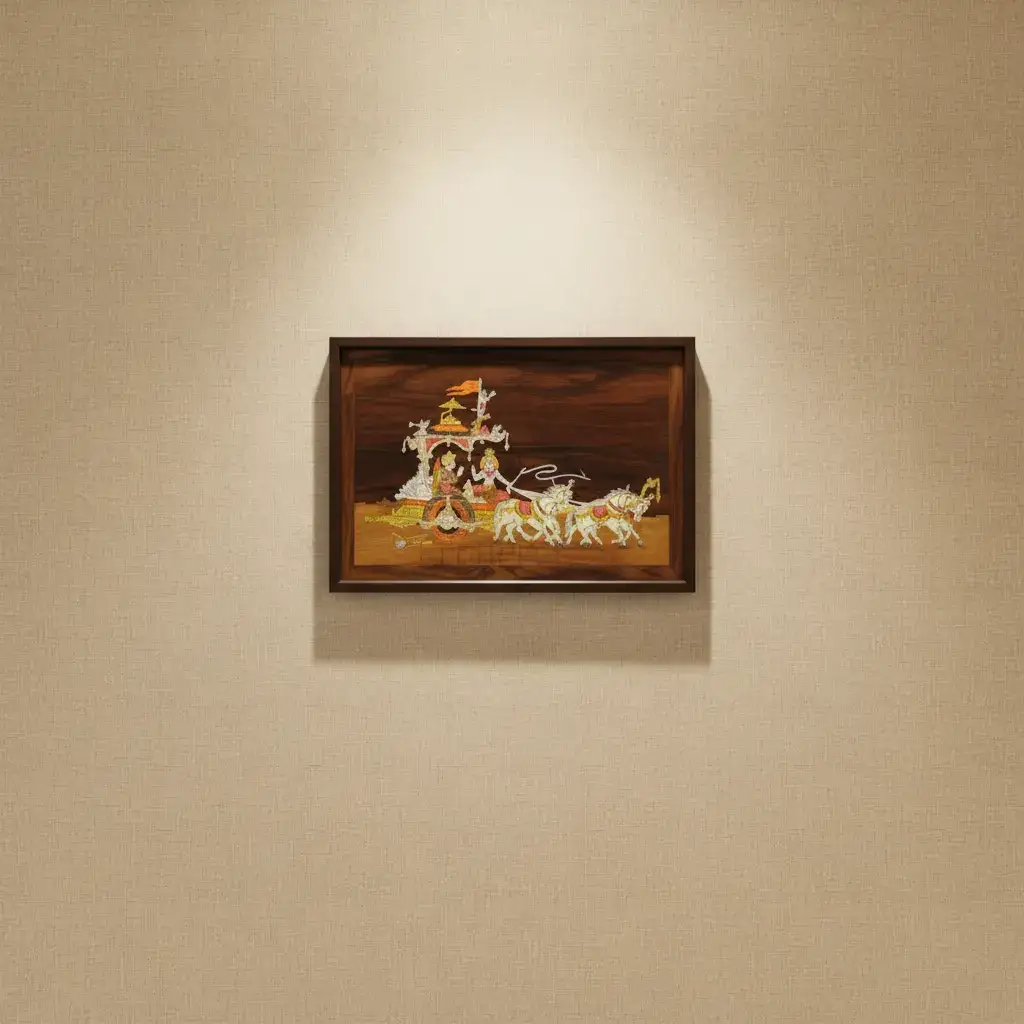
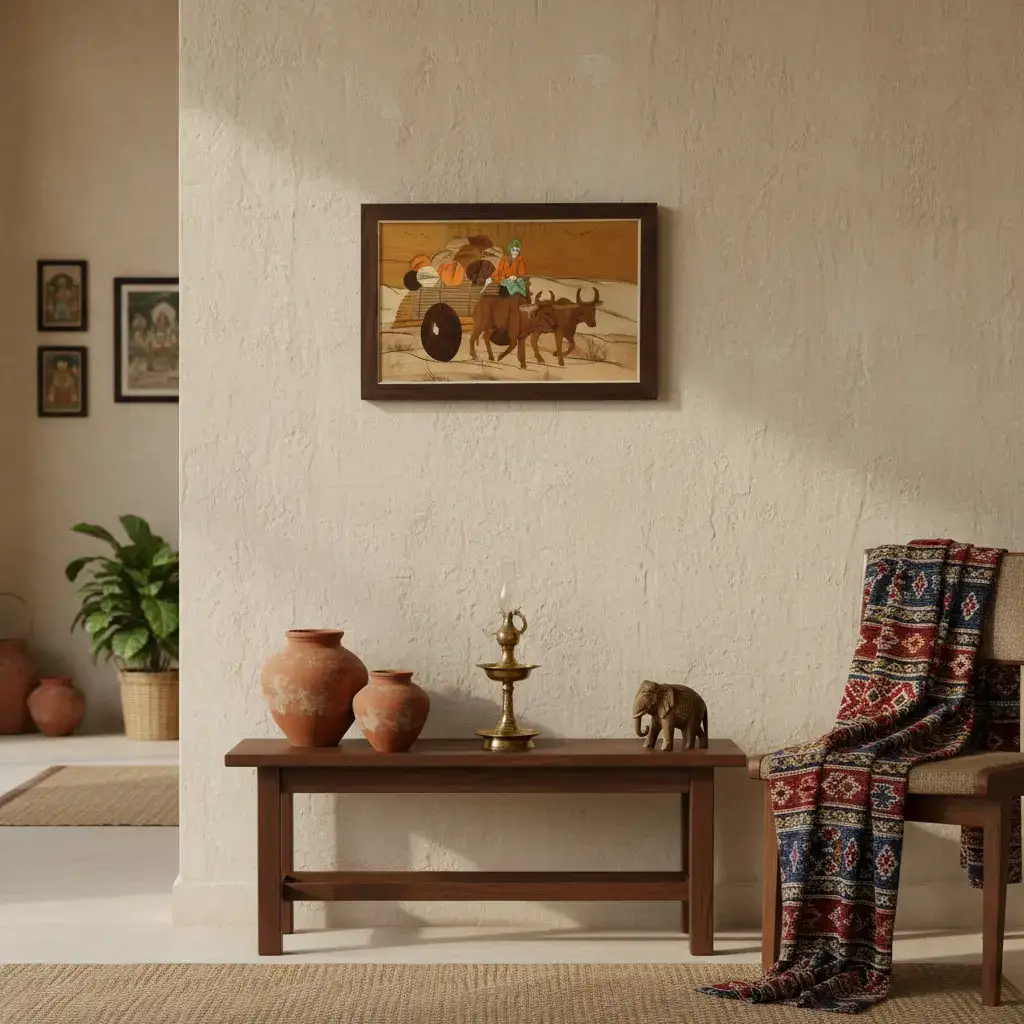
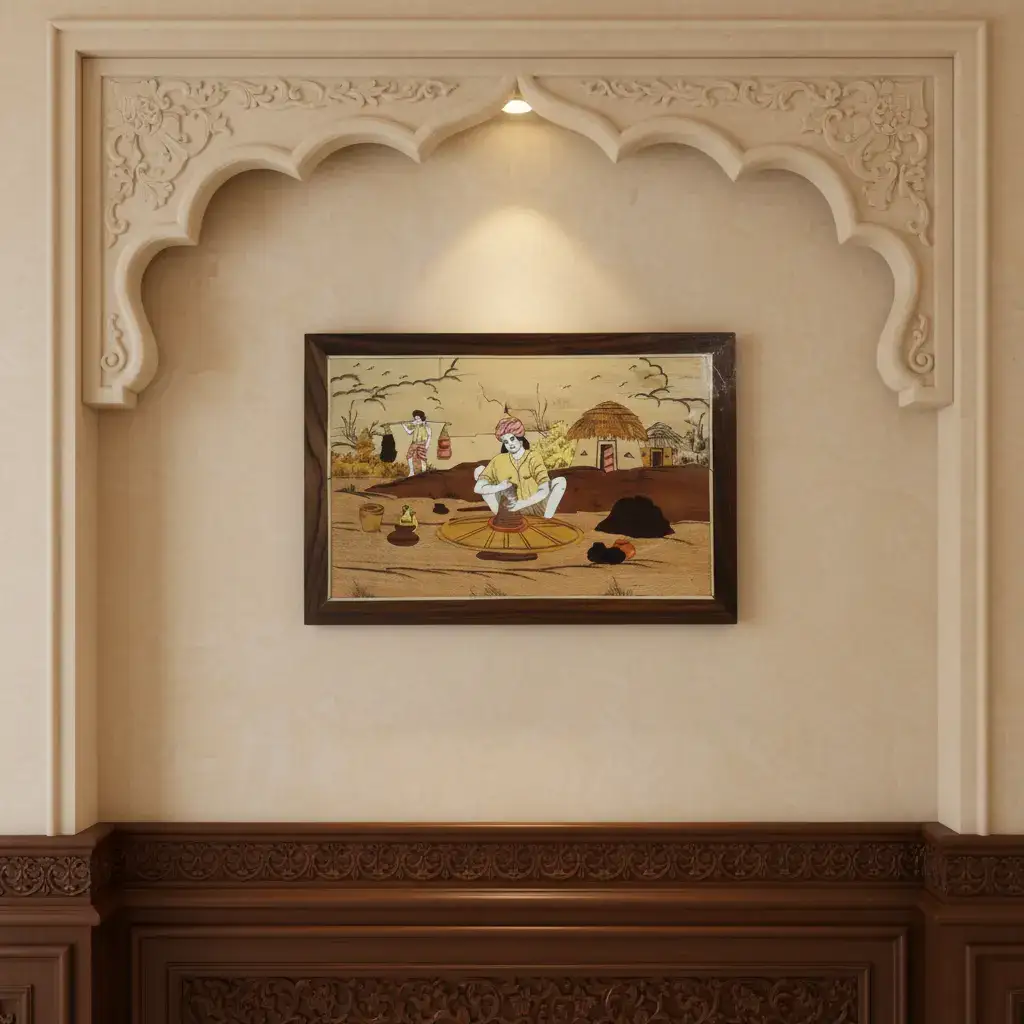
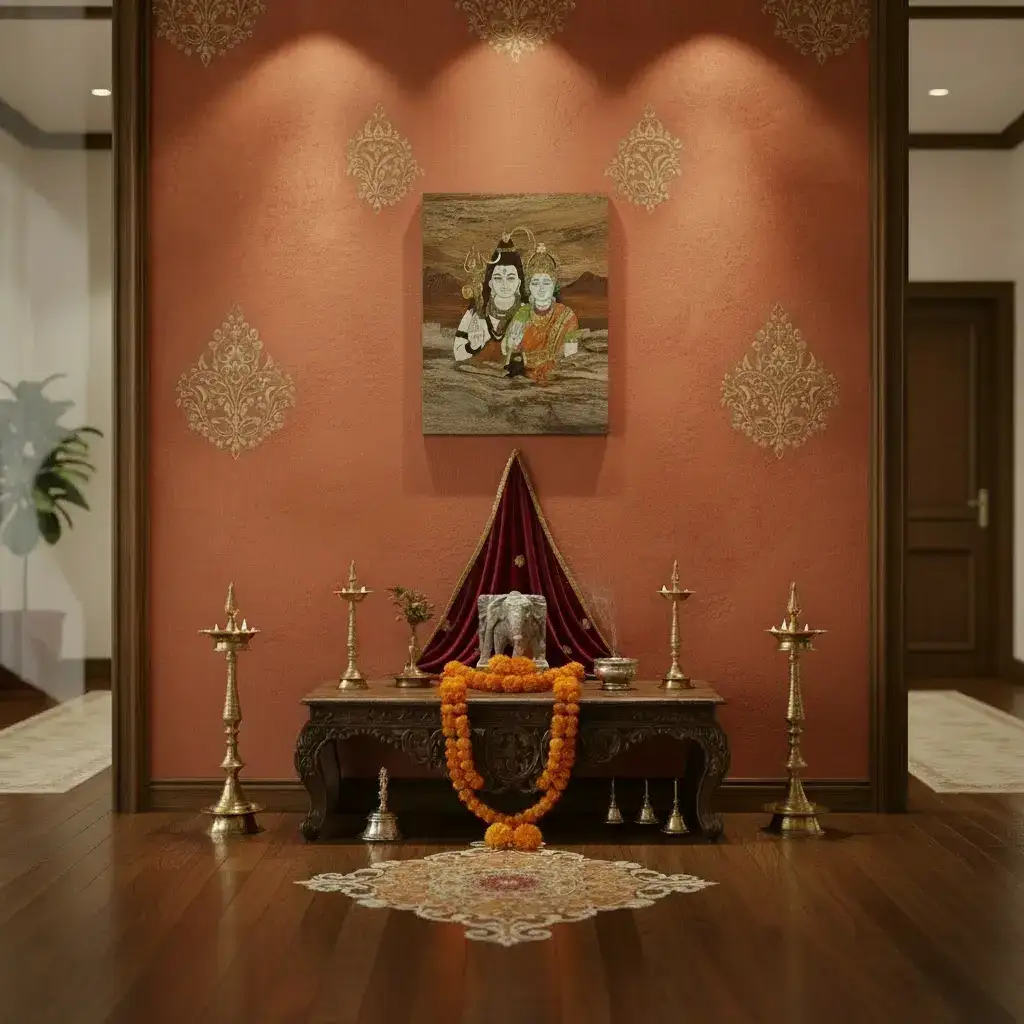
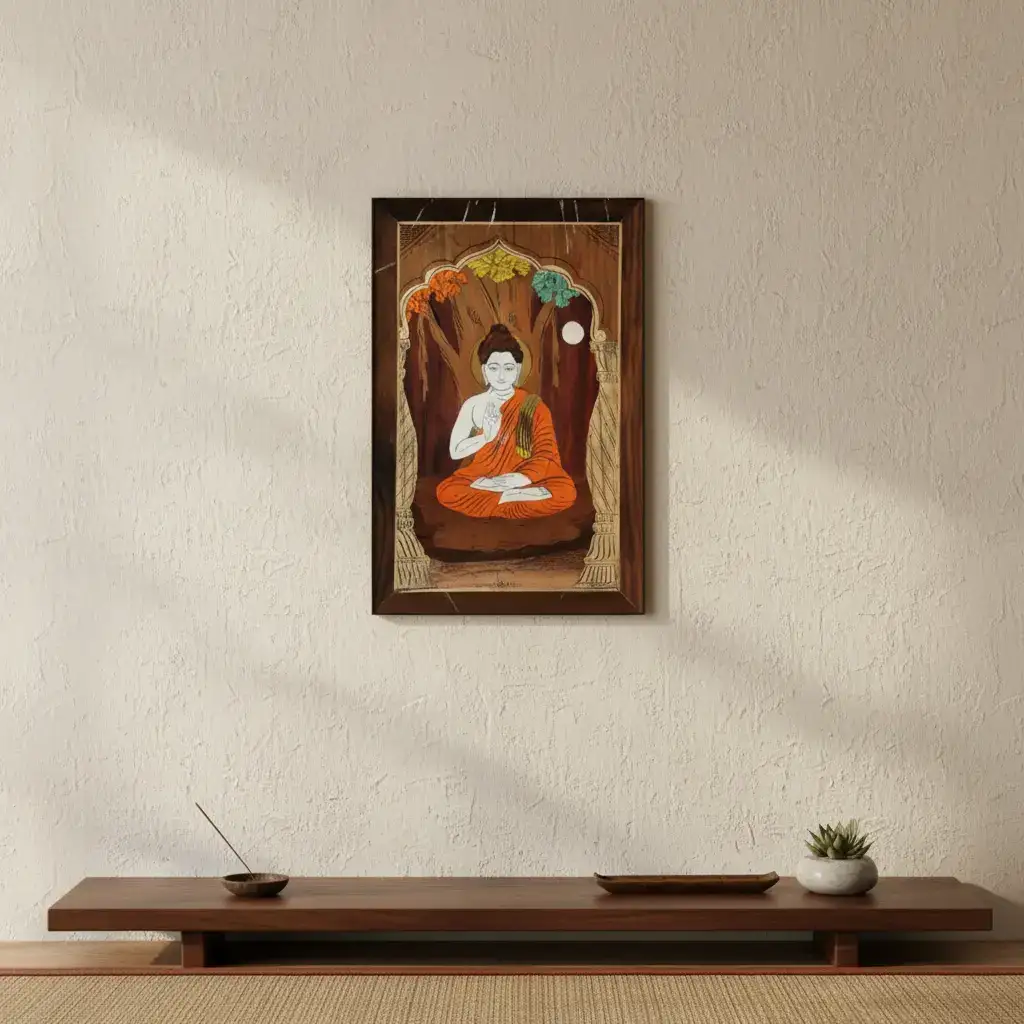
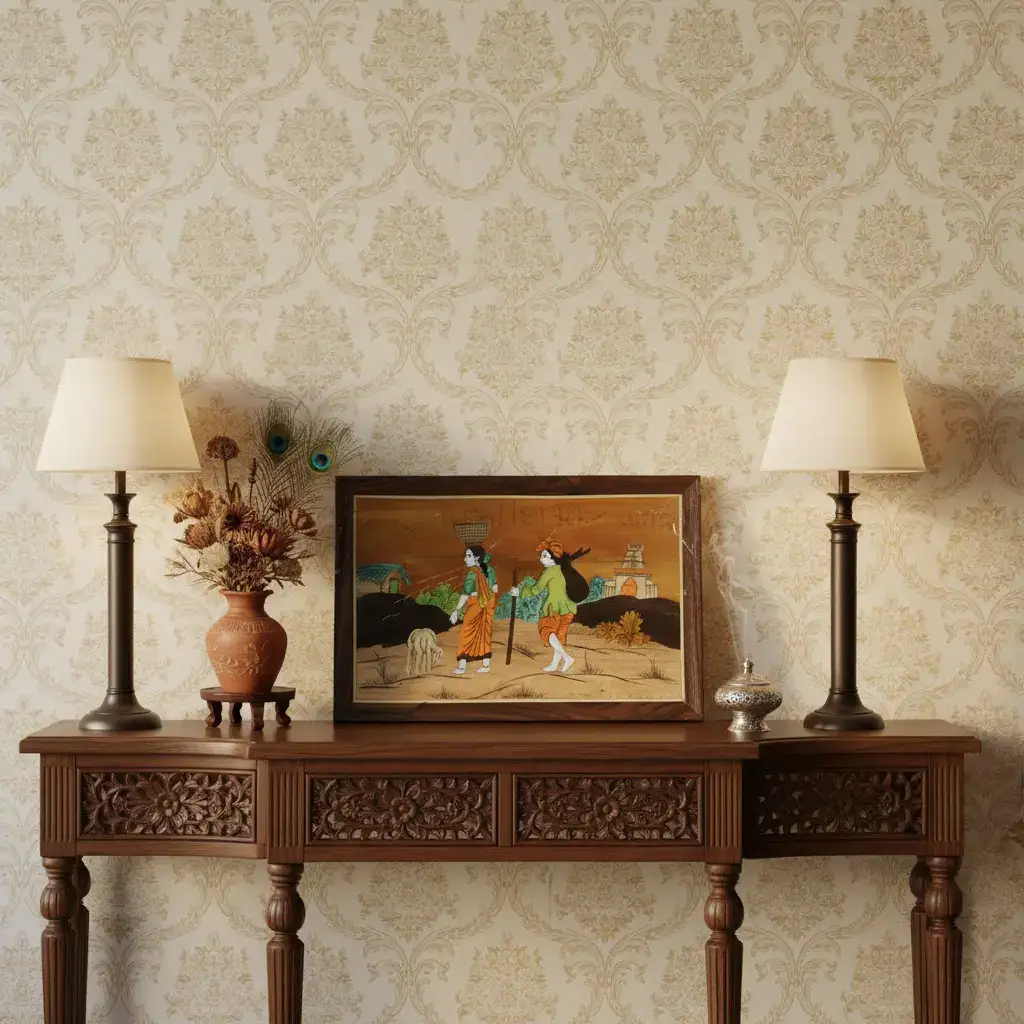
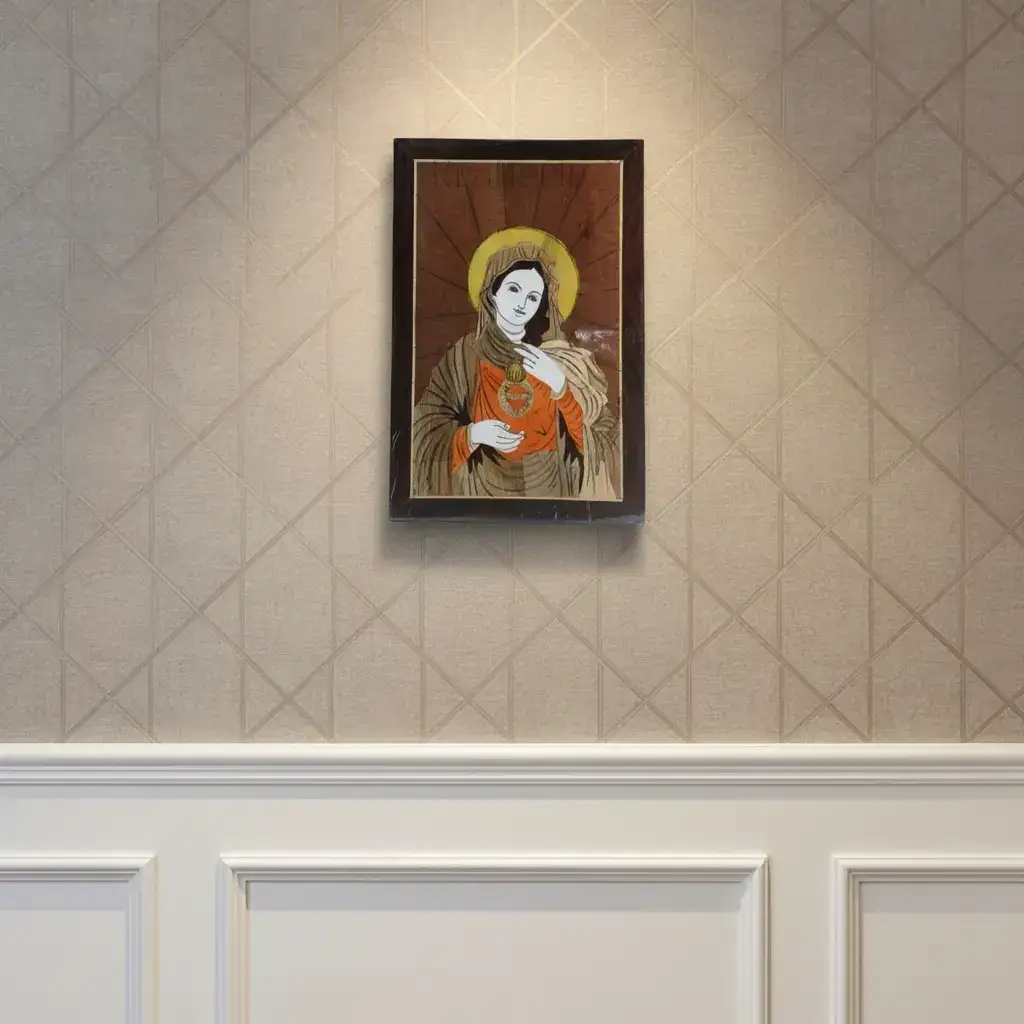
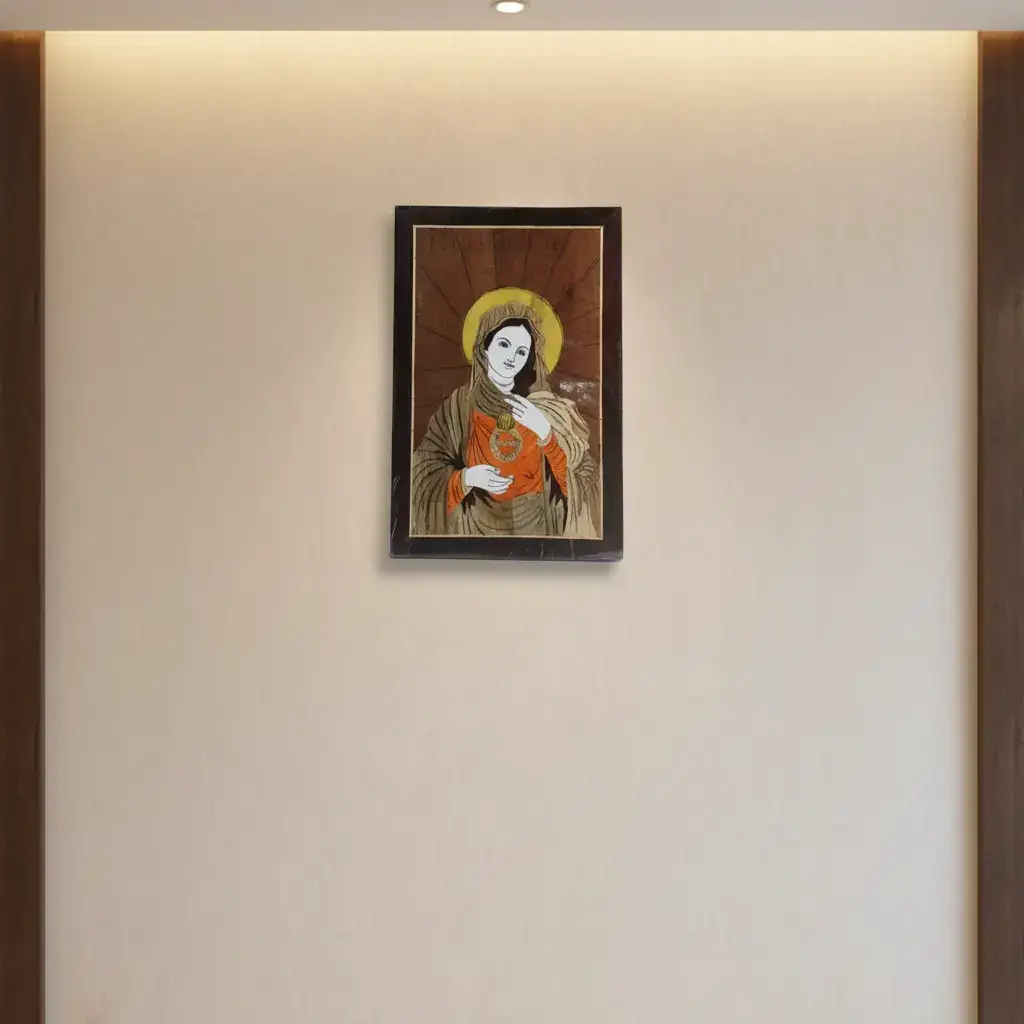
The Mary mata frame is a significant element seen in modern decorative items. This frame style highlights the delicate artistry of the inlay work. It combines traditional motifs with contemporary designs. Artisans skillfully blend old and new methods, enriching the craft’s appeal. These frames are often used in home decor, enhancing the aesthetic value of interiors. The enduring charm of this art makes it relevant in today’s design world.
Preservation Efforts and Artisan Communities
Efforts to preserve this craft are ongoing. Artisan communities actively pass down the skills required for the inlay technique. Workshops and government initiatives support training and promotion of the craft. This helps sustain livelihoods and keeps traditional knowledge alive. The growing market demand also encourages younger generations to learn and innovate within the craft. In this way, the craft sustains its cultural and economic importance as well.
The Cultural Legacy of Rosewood Inlay
Mary Mata Rosewood Inlay represents more than just decorative art. It is a reflection of Karnataka’s history, culture, and skilled craftsmanship. The close association with royal patronage and religious themes adds layers of meaning. From the use of mother mary motifs to the artistic execution in the mary frame style, every aspect tells a rich story. This timeless craft continues to inspire and captivate collectors and connoisseurs worldwide. Its place in the artistic heritage of India remains secure and celebrated through the ages.
Product Information
Product Information
Shipping & Returns
Shipping & Returns
Description
Mary Mata Rosewood Inlay, also known as Mysore rosewood inlay, is a traditional craft of Karnataka. Its history is deeply rooted in the region's rich artistic heritage. This art form reflects cultural influences from Persia. It also gained patronage from Tipu Sultan and the Wodeyar dynasty. The craft flourished notably in Srirangapatna during the 18th century. Later, Mysore Maharajas further promoted it by commissioning intricate rosewood and ivory inlay works for the Mysore Palace. Mary Mata Rosewood Inlay has thus become a symbol of exquisite craftsmanship and cultural legacy.
The Art Form of Mary Mata Rosewood Inlay
This craft involves creating detailed designs. Artisans embed pieces of wood in different colors to form intricate patterns. Historically, ivory was used alongside wood. These pieces are carefully inlaid into a rosewood base. This technique requires remarkable skill and patience. Each craft piece is a unique testament to dedication and artistry. The designs often depict floral, geometric, and sometimes religious motifs, reflecting the region's aesthetics and artistry.
Traditional Techniques in the Rosewood Inlay Craft
The process begins with selecting the finest rosewood, known for its durability and rich texture. Artisans then cut and shape colored wooden pieces. Ivory pieces were historically incorporated, adding elegance and contrast. The materials are inlaid with painstaking precision onto the rosewood base. Skilled craftsmen polish the final product to enhance its shine and smoothness. This technique has been passed down through generations, preserving the authenticity of this traditional craft form.
Mother Mary and the Religious Motifs in Rosewood Inlay
Religious symbolism plays a key role in some works. The representation of Mother Mary can be found in certain designs, showing spirituality's influence. These motifs add a sacred aspect to the art. Mary frame decorations are often part of this craftsmanship. They symbolize reverence and devotion. The intricate details provide depth and meaning, making each piece not only decorative but spiritually significant. The marriage of faith and art is evident in these objects.
Modern Significance and Recognition of Rosewood Inlay
Today, the art continues to thrive as an important craft form. Artisans produce a variety of decorative items, furniture, and unique objects. The craft’s quality has been recognized by a Geographical Indication (GI) tag. This tag acknowledges the unique origin and authenticity of the work. Many contemporary artists innovate while honoring traditional techniques. The global appreciation for this craft has grown, with collectors and art enthusiasts seeking these masterpieces.
The Role of the Frame in Contemporary Craft
The Mary mata frame is a significant element seen in modern decorative items. This frame style highlights the delicate artistry of the inlay work. It combines traditional motifs with contemporary designs. Artisans skillfully blend old and new methods, enriching the craft’s appeal. These frames are often used in home decor, enhancing the aesthetic value of interiors. The enduring charm of this art makes it relevant in today’s design world.
Preservation Efforts and Artisan Communities
Efforts to preserve this craft are ongoing. Artisan communities actively pass down the skills required for the inlay technique. Workshops and government initiatives support training and promotion of the craft. This helps sustain livelihoods and keeps traditional knowledge alive. The growing market demand also encourages younger generations to learn and innovate within the craft. In this way, the craft sustains its cultural and economic importance as well.
The Cultural Legacy of Rosewood Inlay
Mary Mata Rosewood Inlay represents more than just decorative art. It is a reflection of Karnataka’s history, culture, and skilled craftsmanship. The close association with royal patronage and religious themes adds layers of meaning. From the use of mother mary motifs to the artistic execution in the mary frame style, every aspect tells a rich story. This timeless craft continues to inspire and captivate collectors and connoisseurs worldwide. Its place in the artistic heritage of India remains secure and celebrated through the ages.