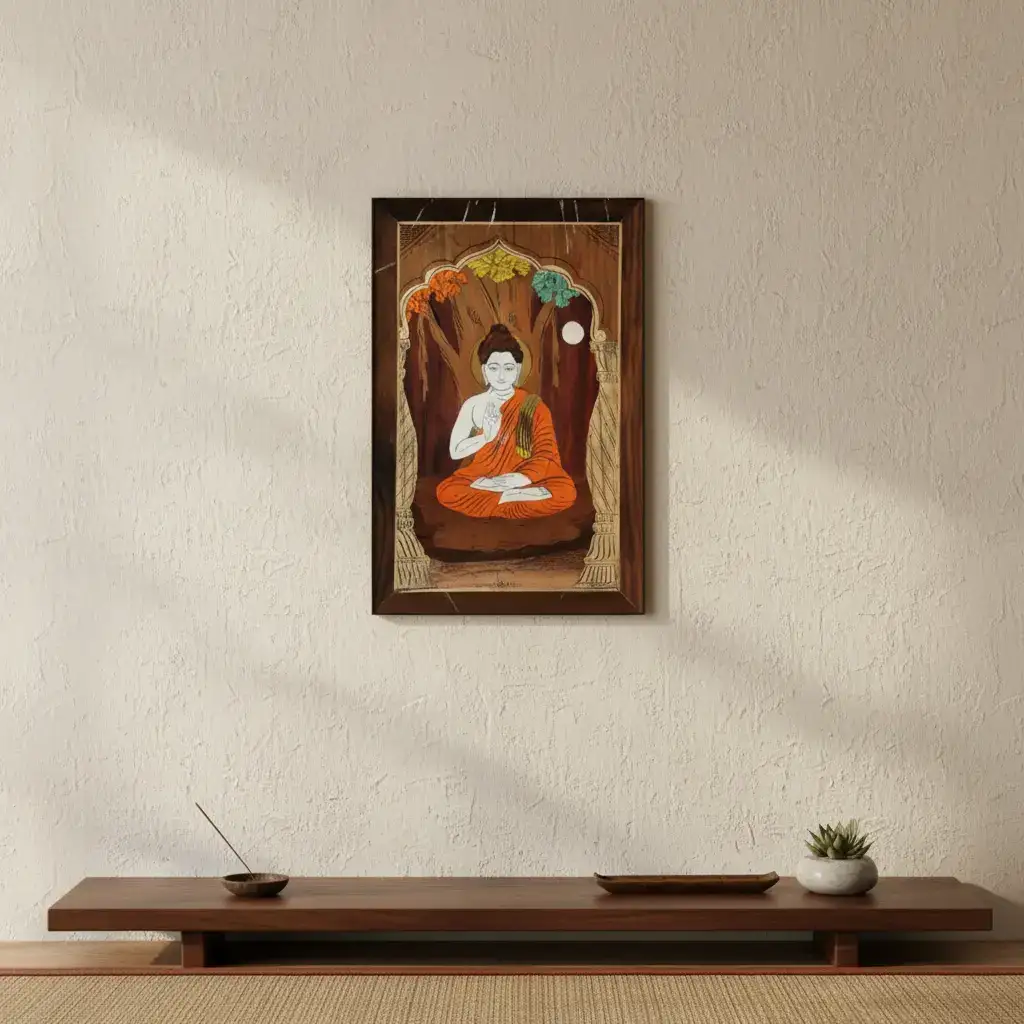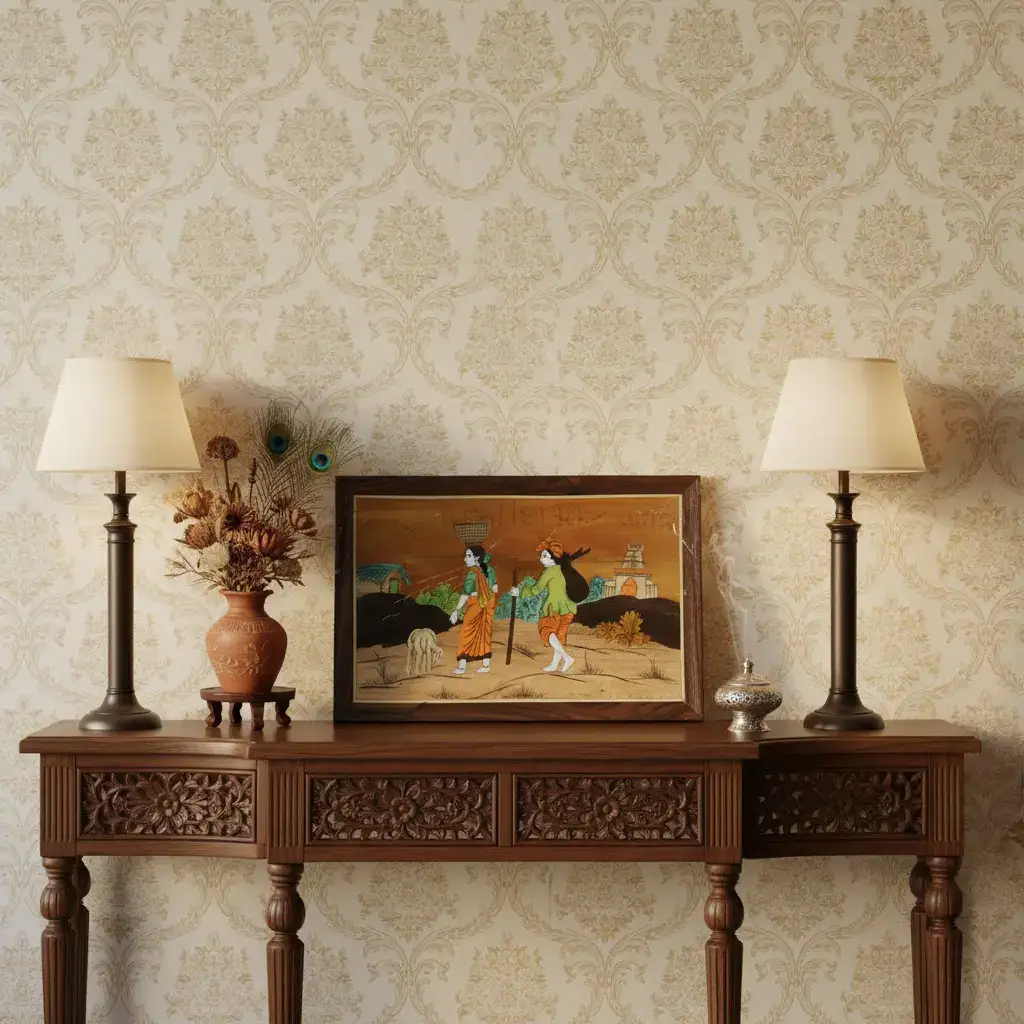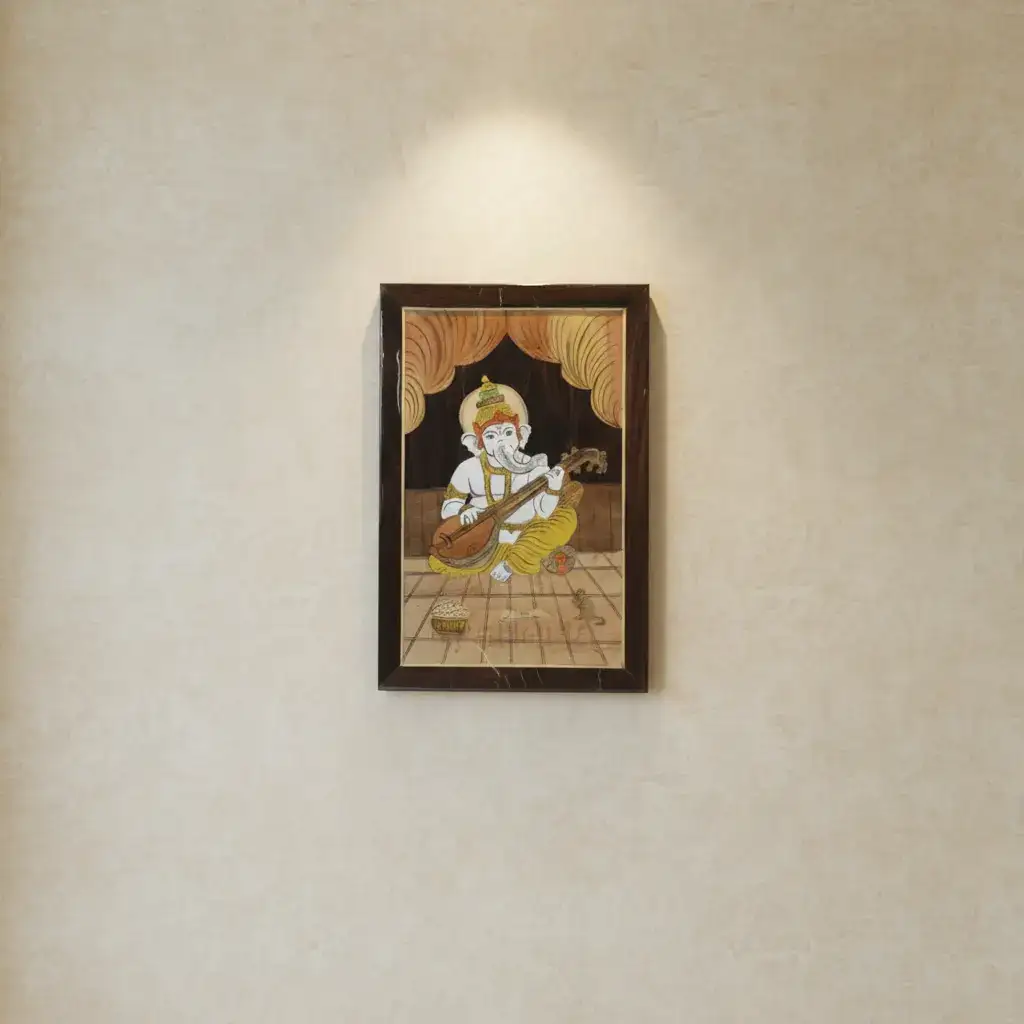
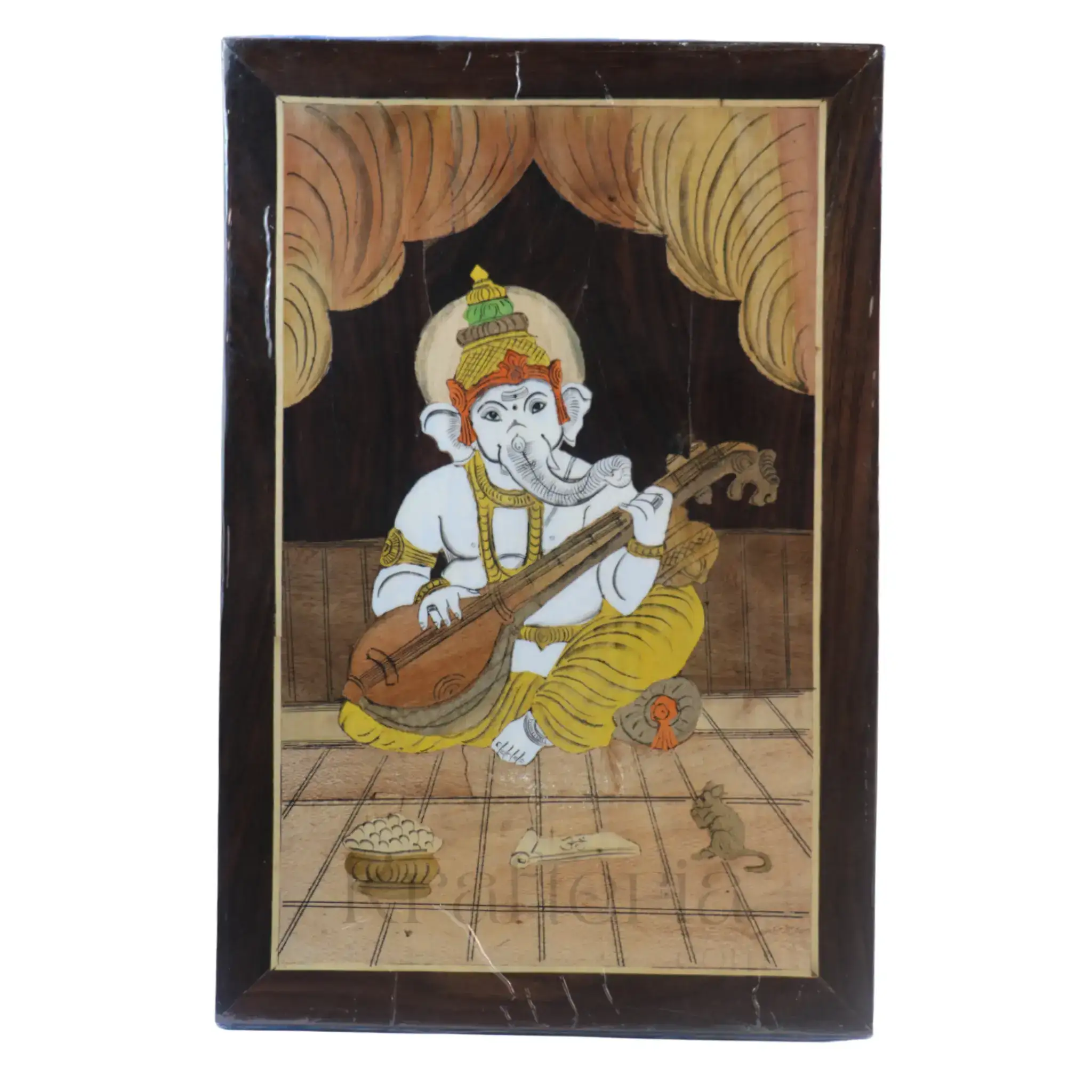
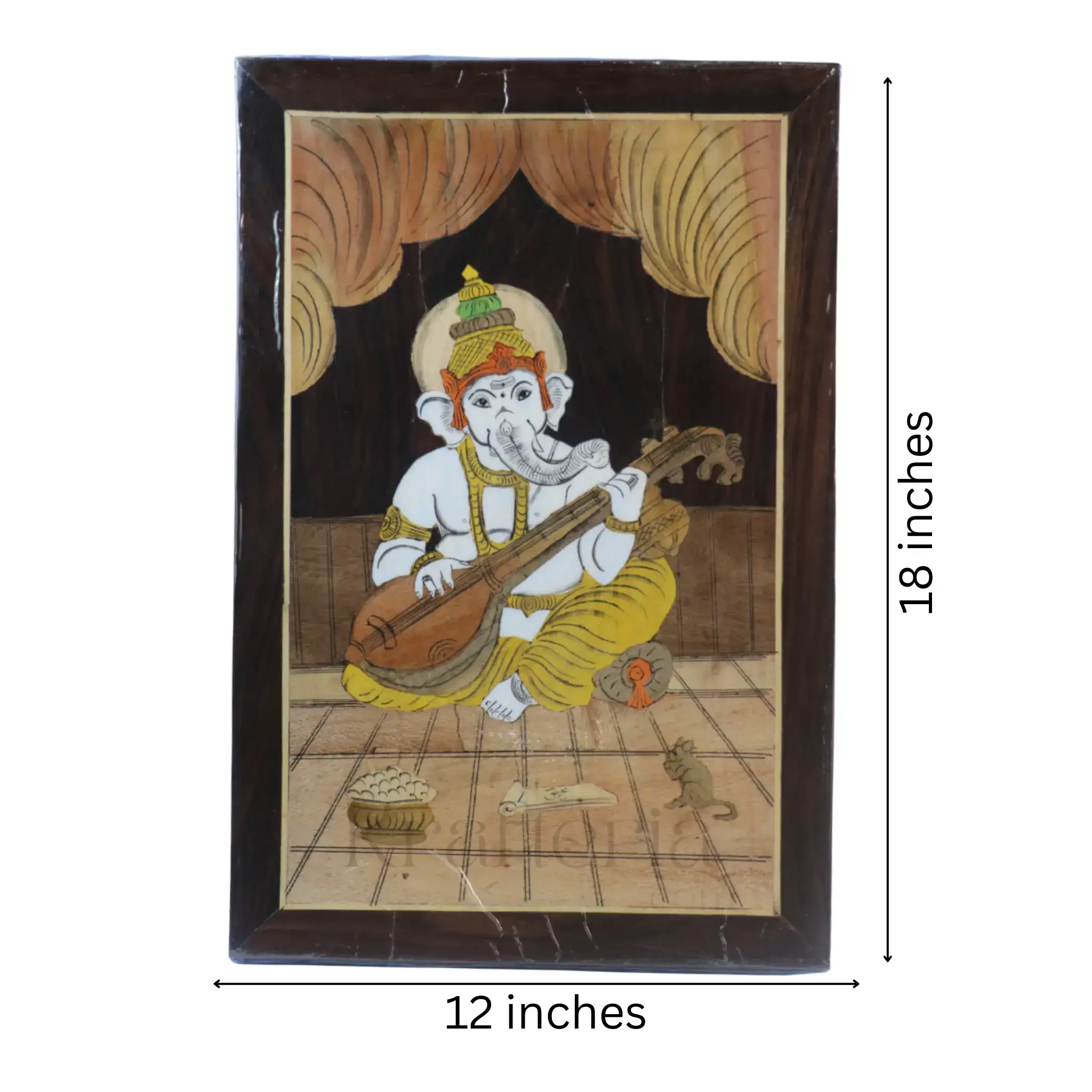
Ganesh in Temple Scene – Wooden Inlay Spiritual Artwork for Home & Office
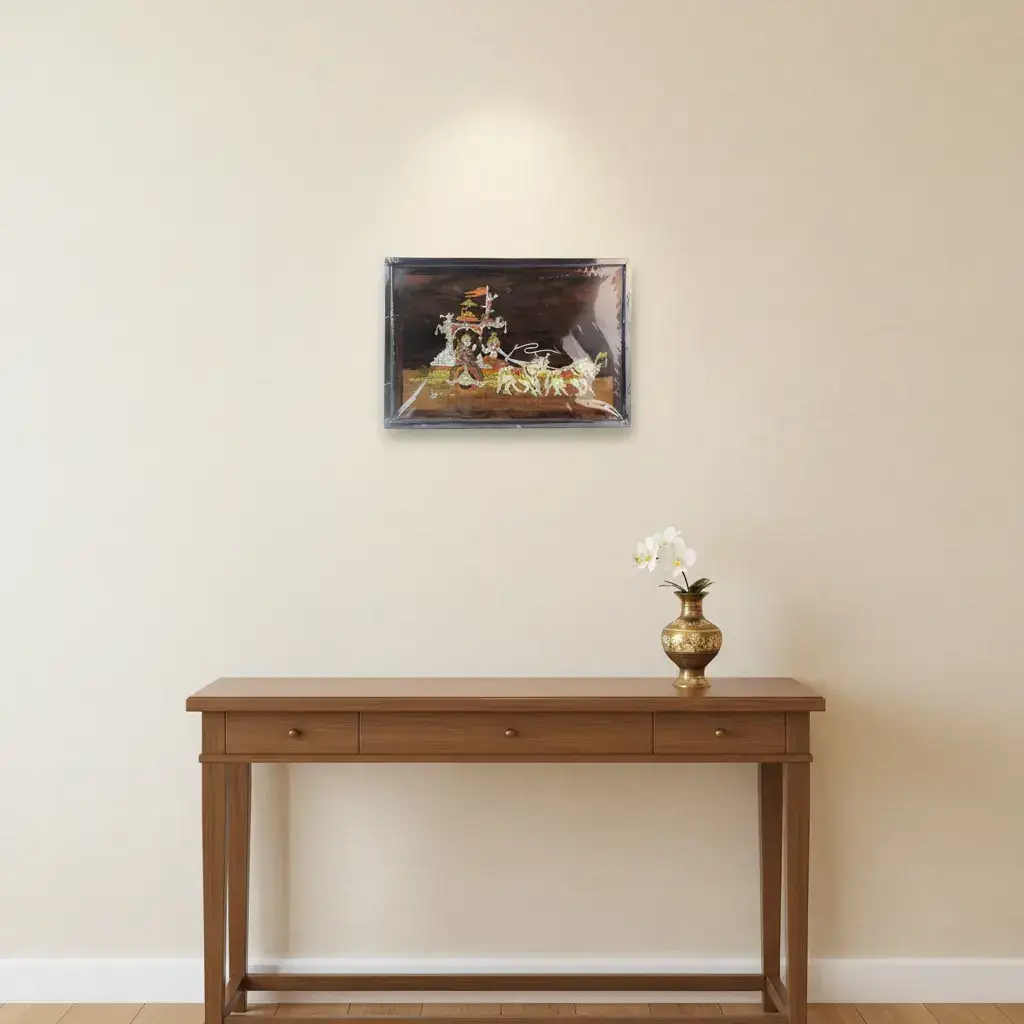
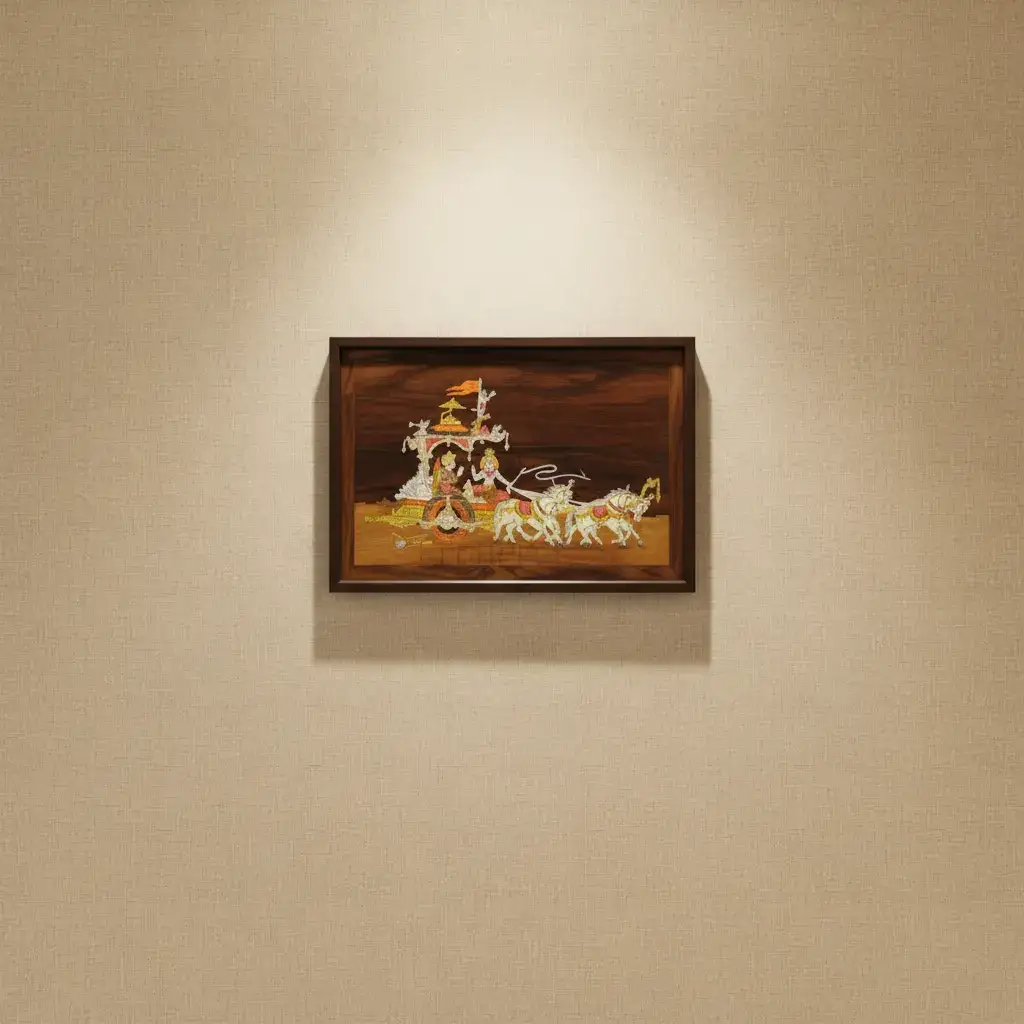
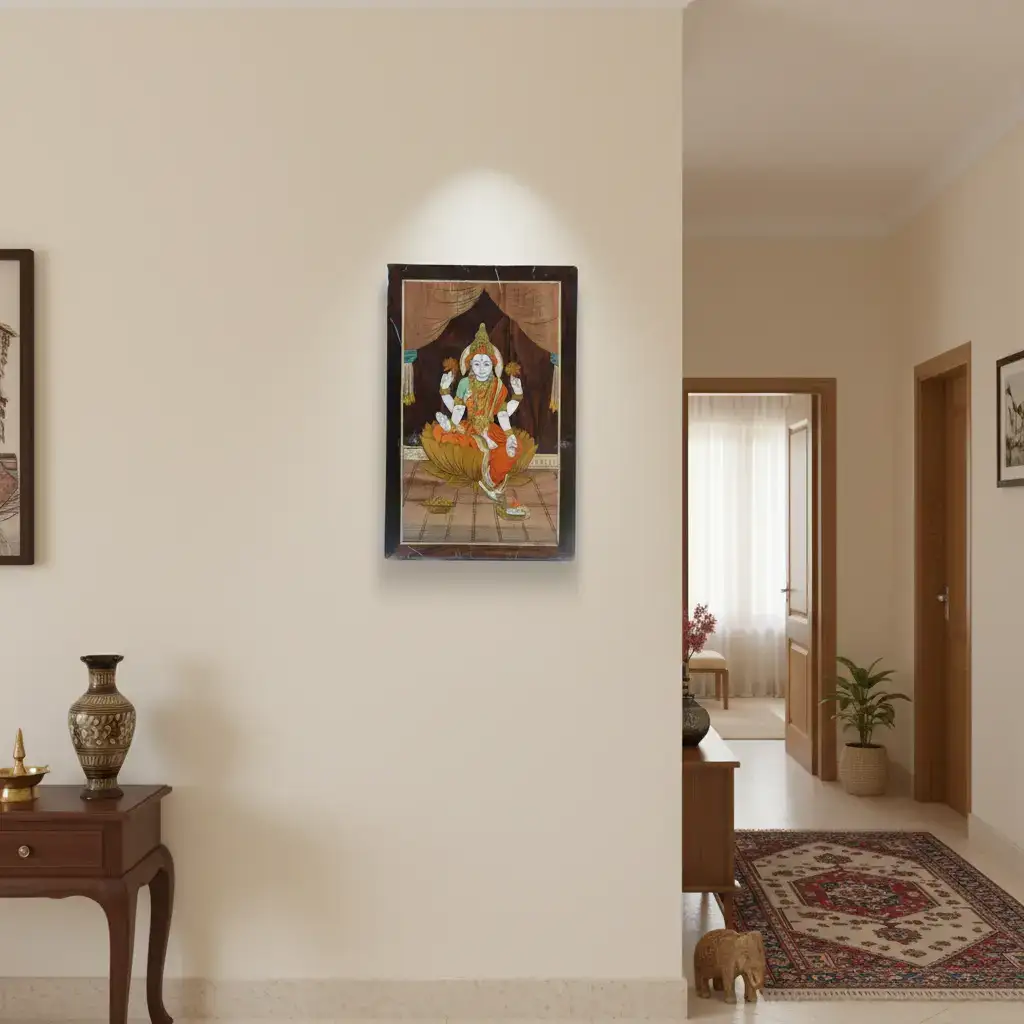
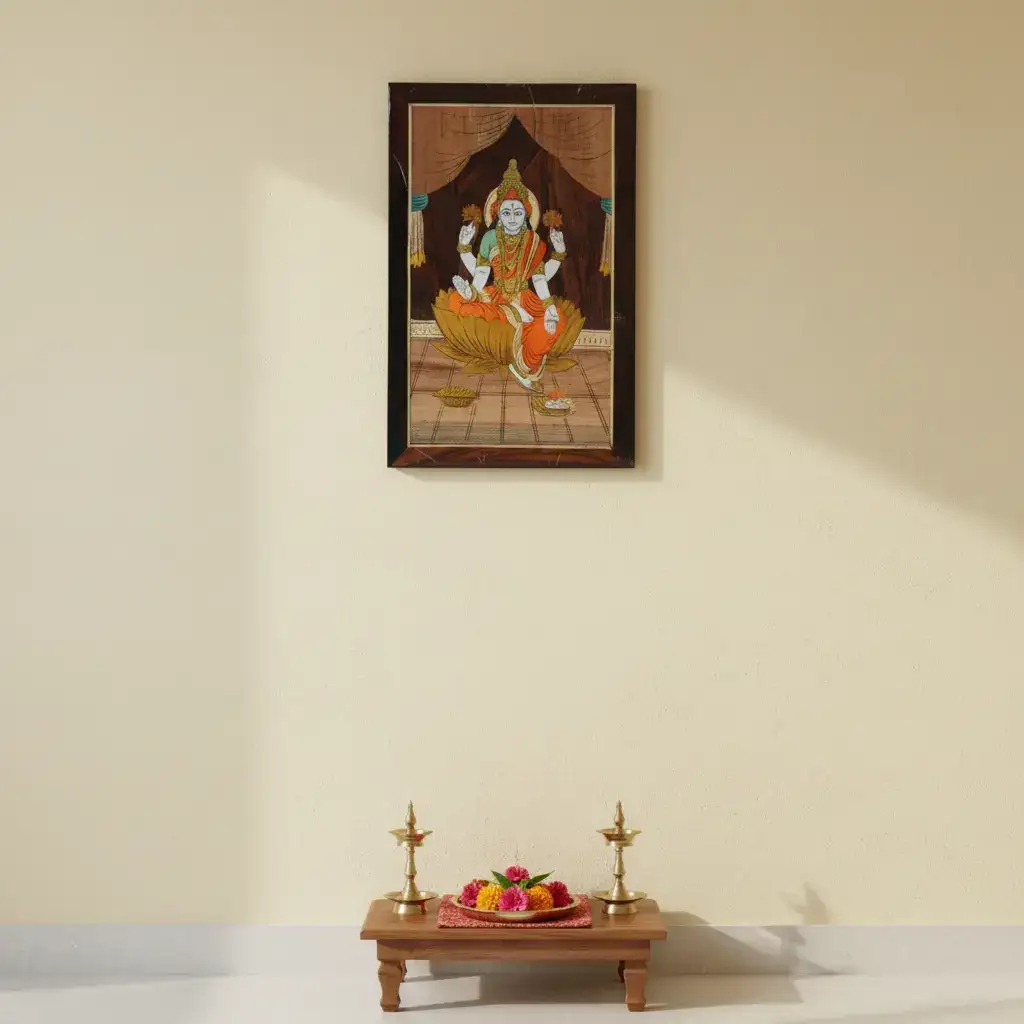
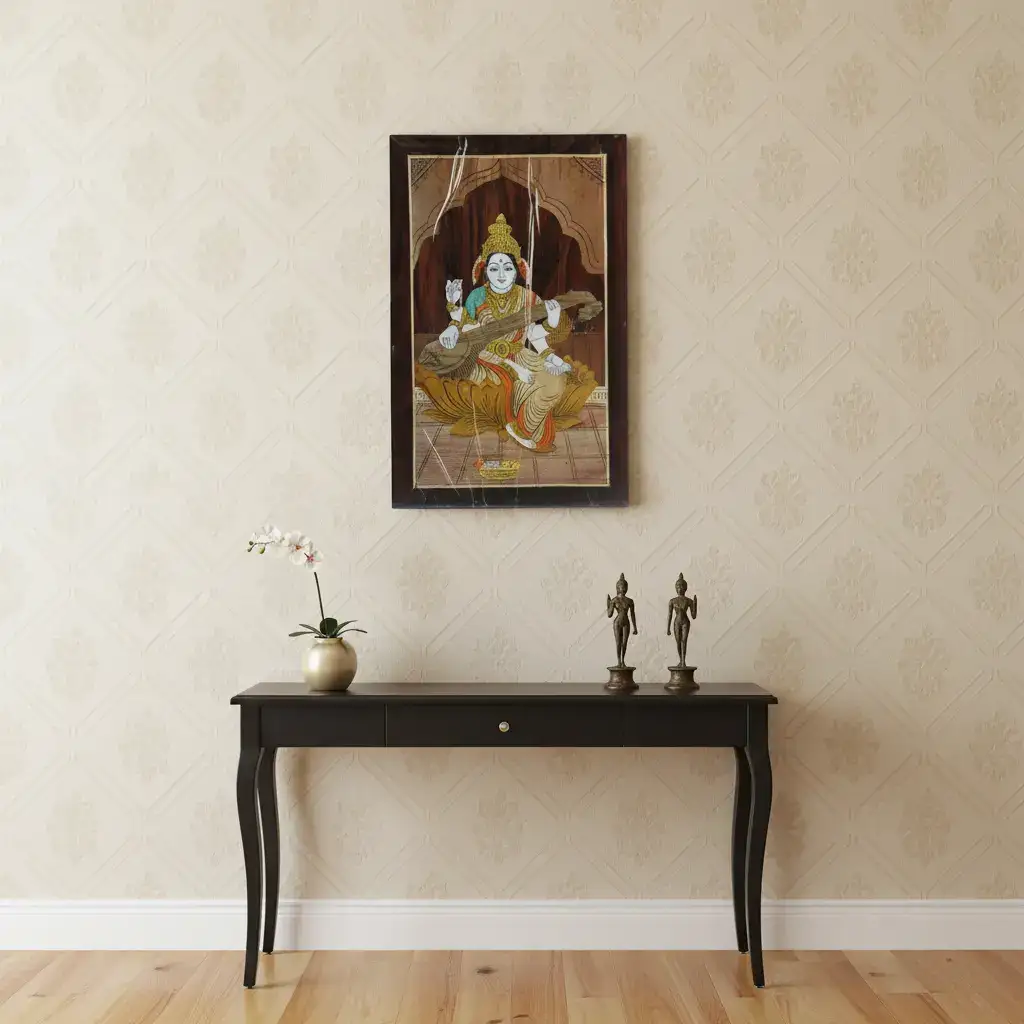
Wooden Inlay Spiritual Artwork crafted from Mysore rosewood inlay is an ancient traditional craft of Karnataka. This art form has a history deeply rooted in the region's rich artistic heritage. The heritage reveals strong influences from Persia, along with generous patronage from Tipu Sultan and the Wodeyar dynasty. The wooden inlay craft reached its peak flourishing in Srirangapatna during the 18th century. It was further encouraged and promoted by the Mysore Maharajas, who commissioned intricate rosewood and ivory inlay designs specifically for the Mysore Palace.
Wooden Inlay Spiritual Artwork: The Art Form and Craftsmanship
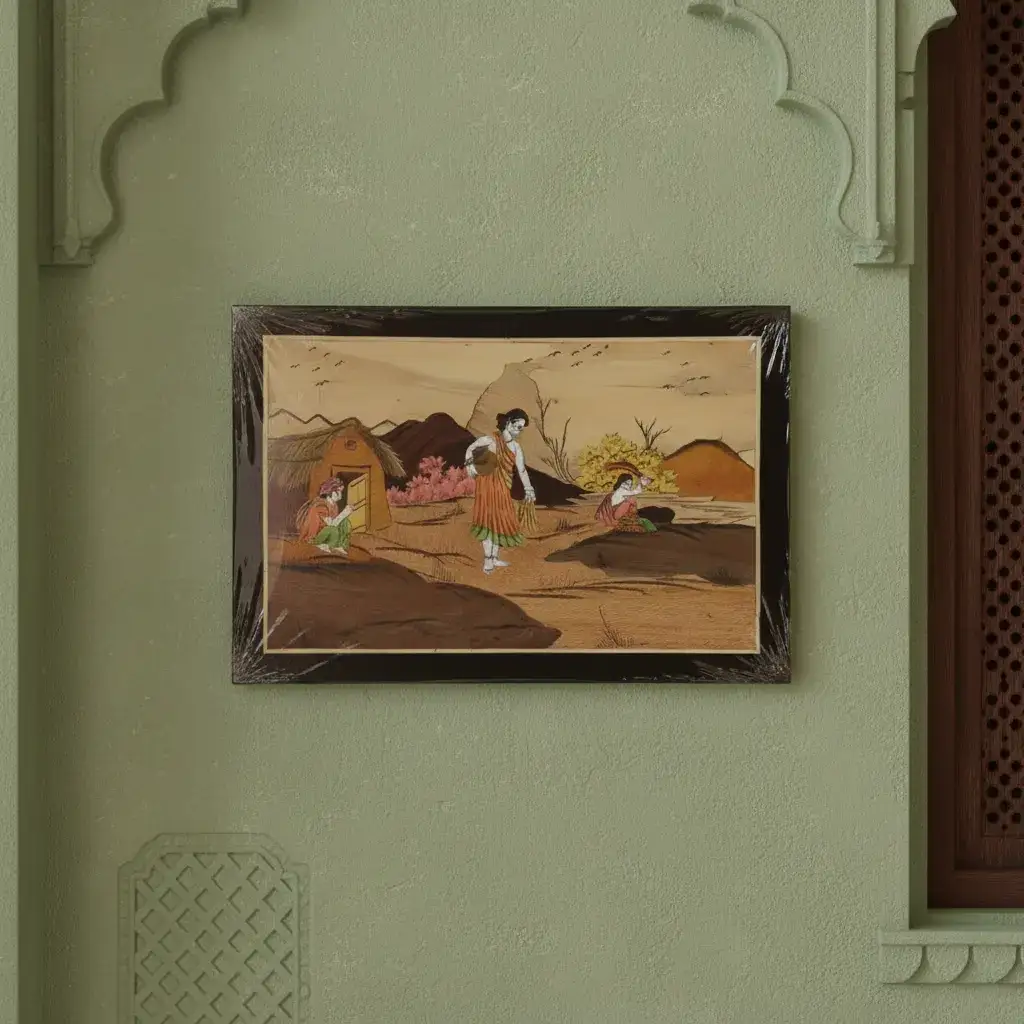
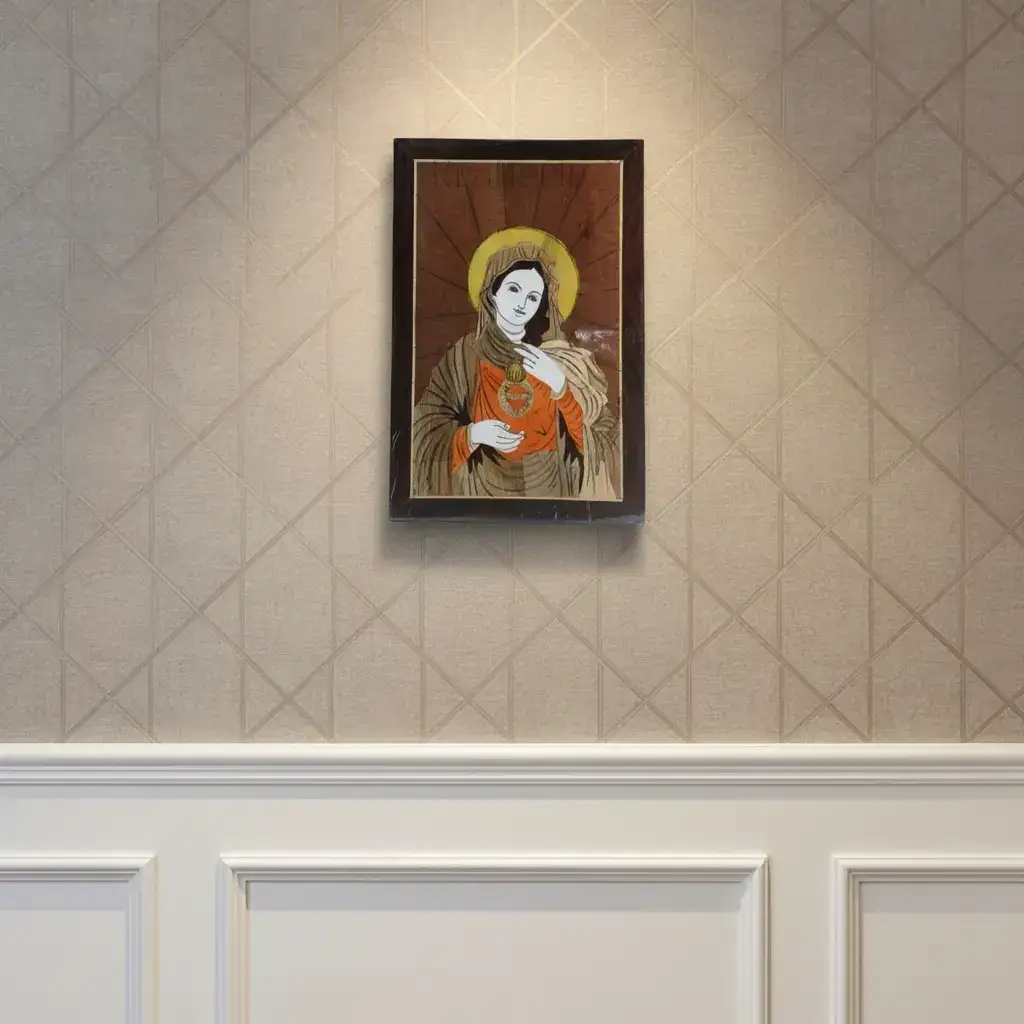
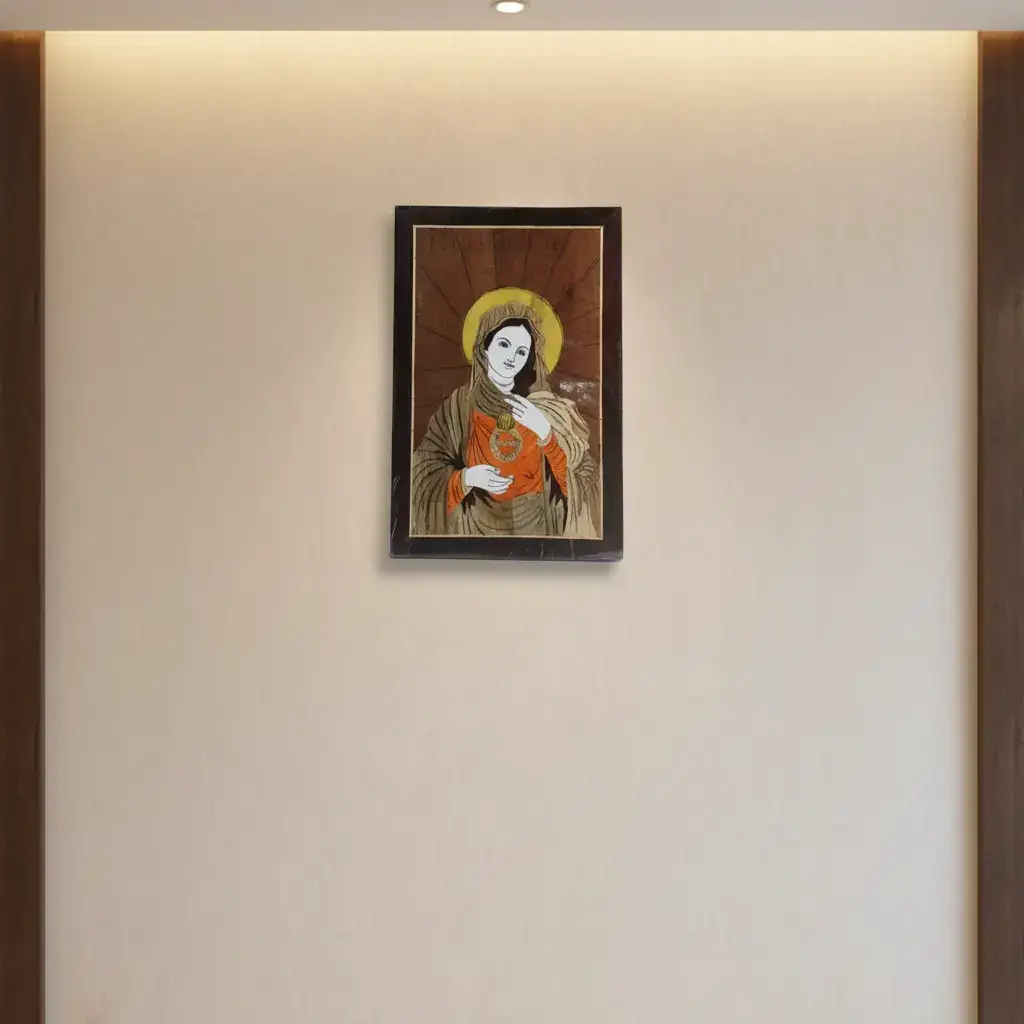
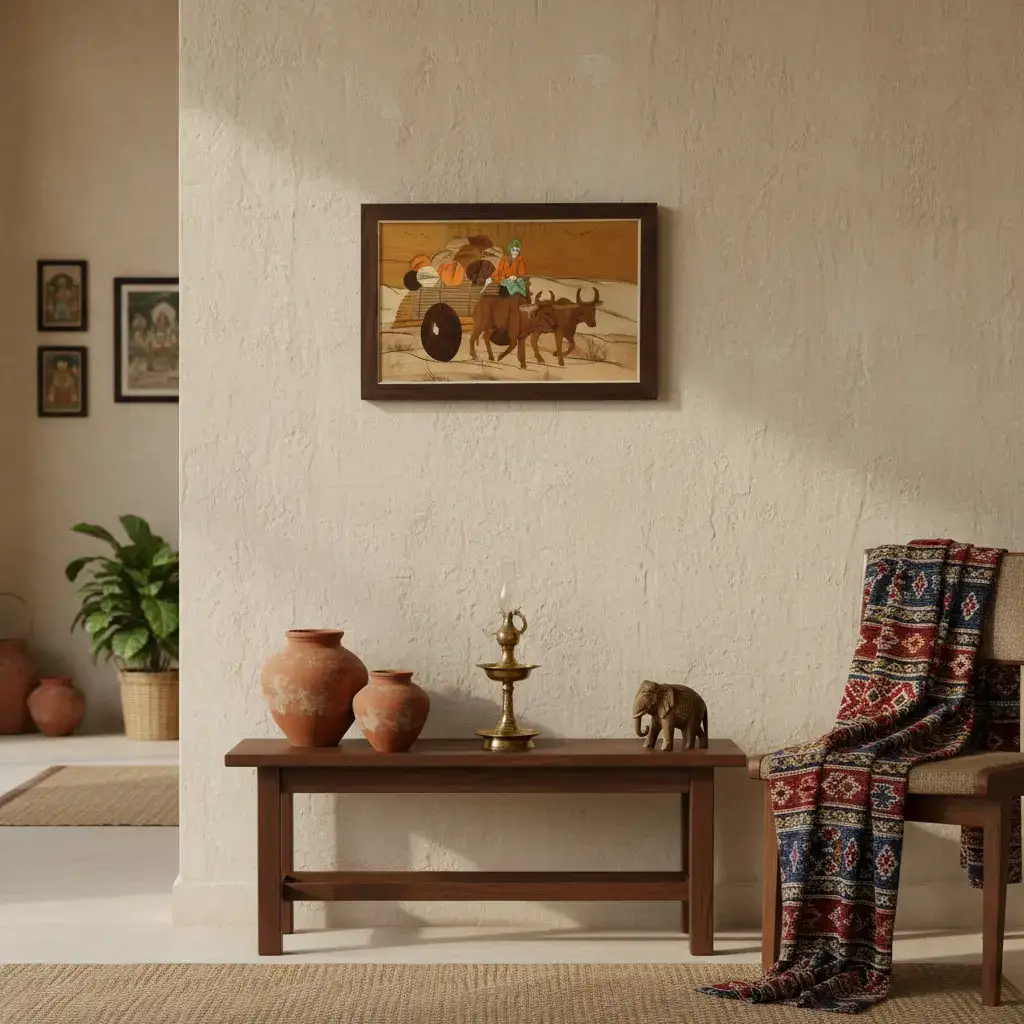
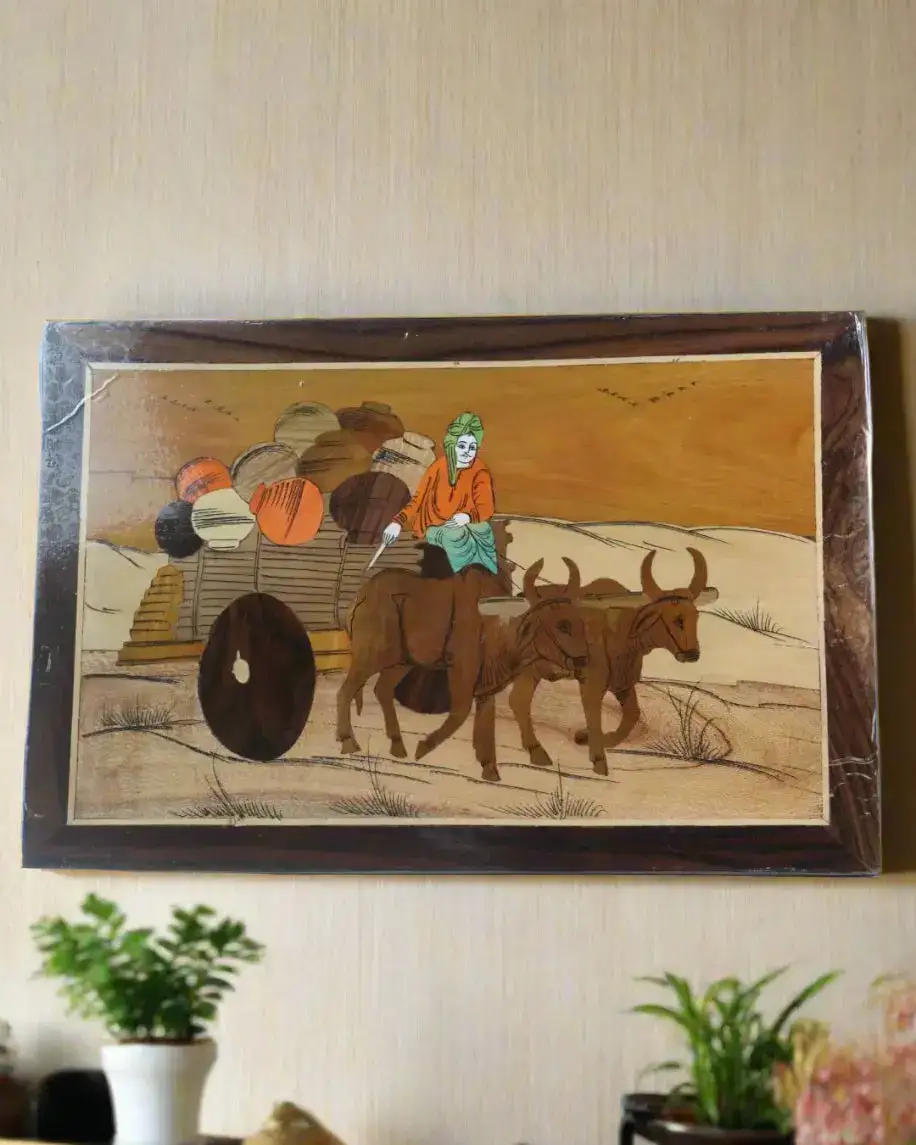
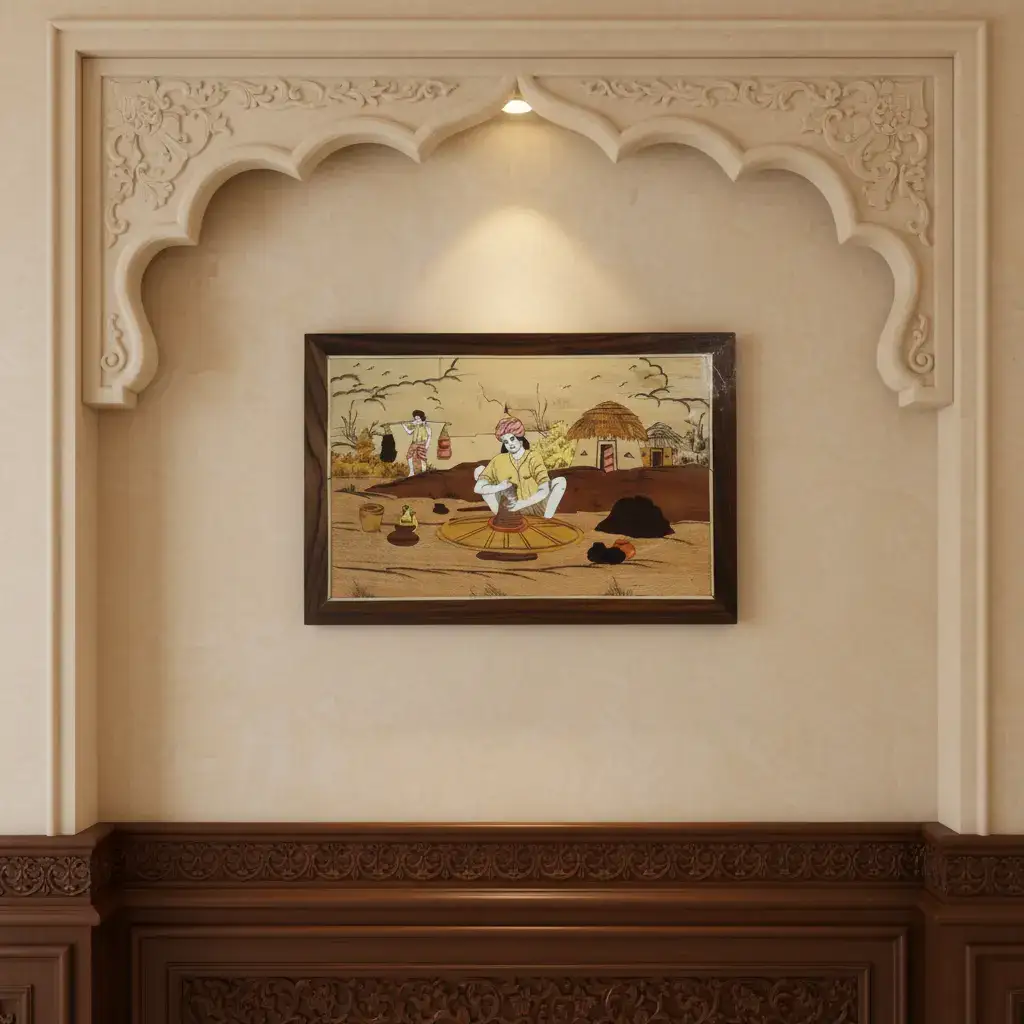
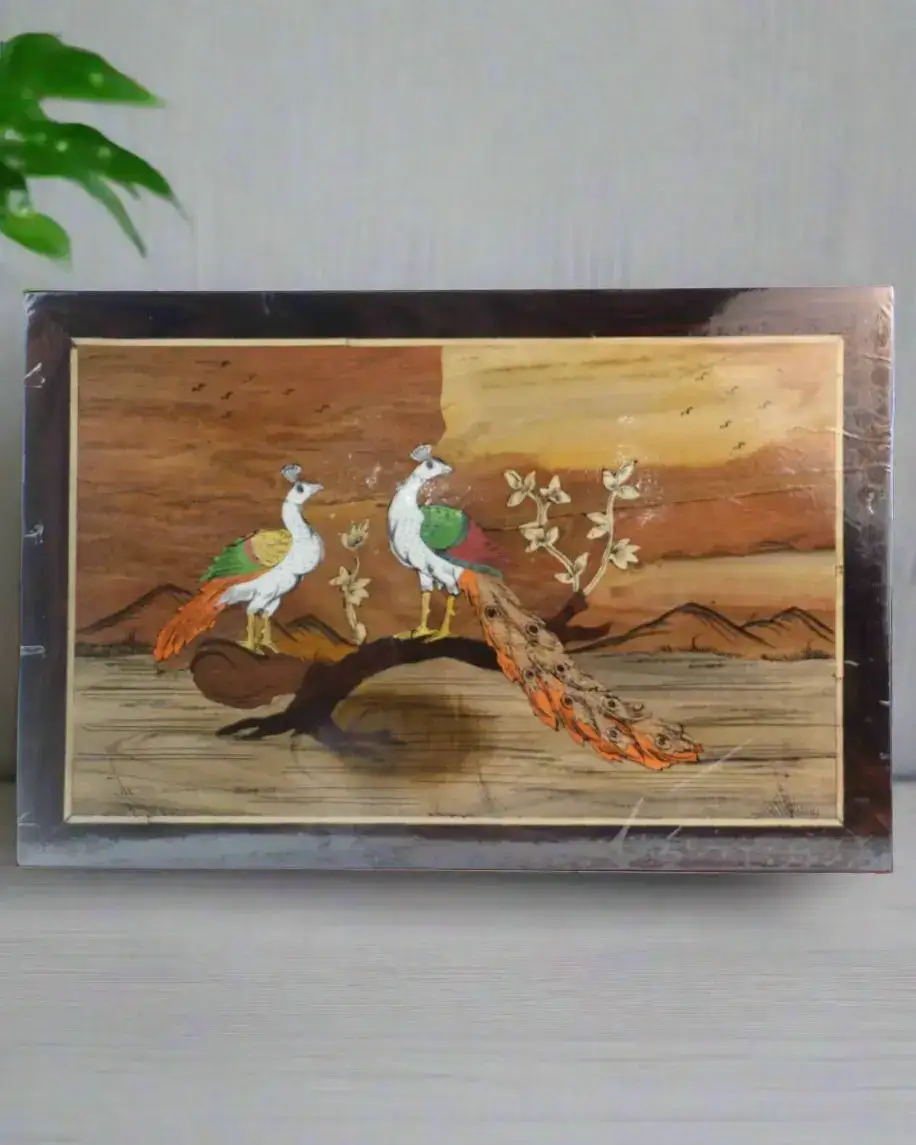
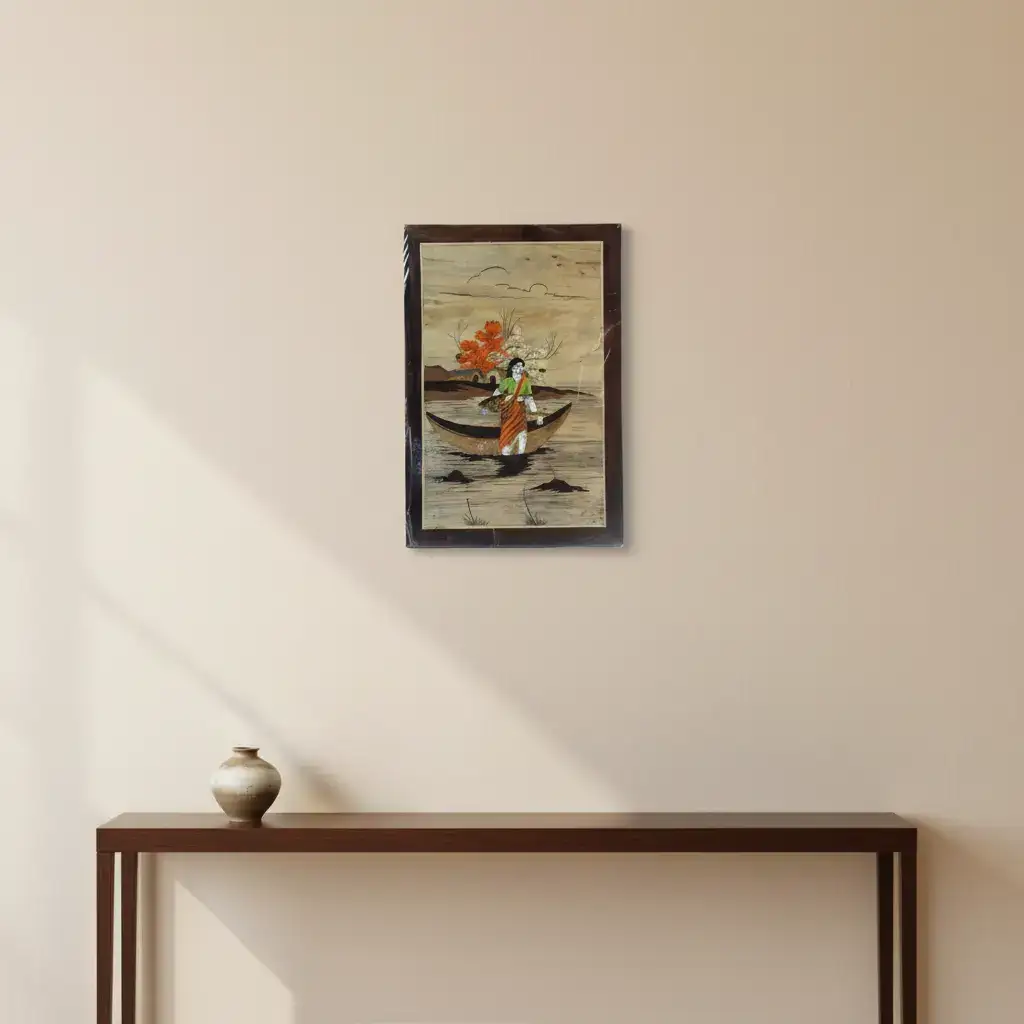
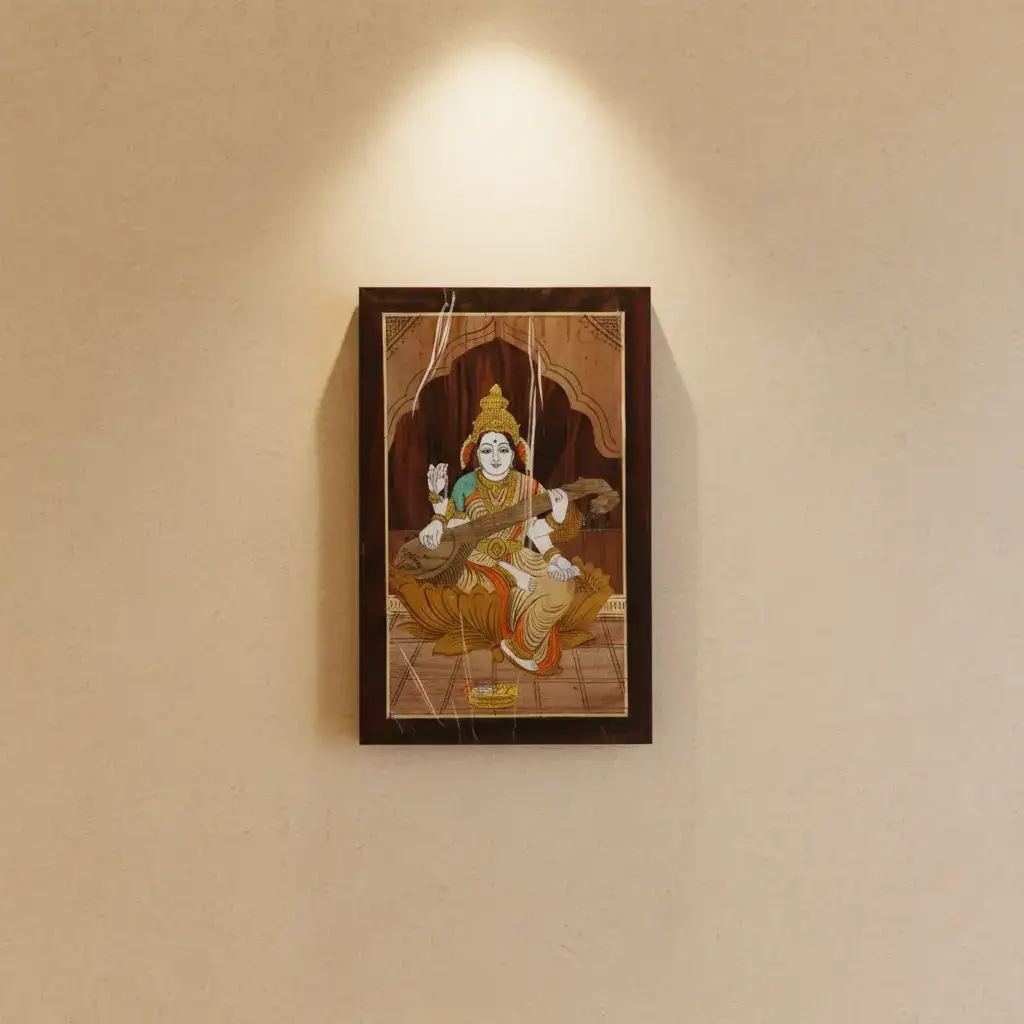
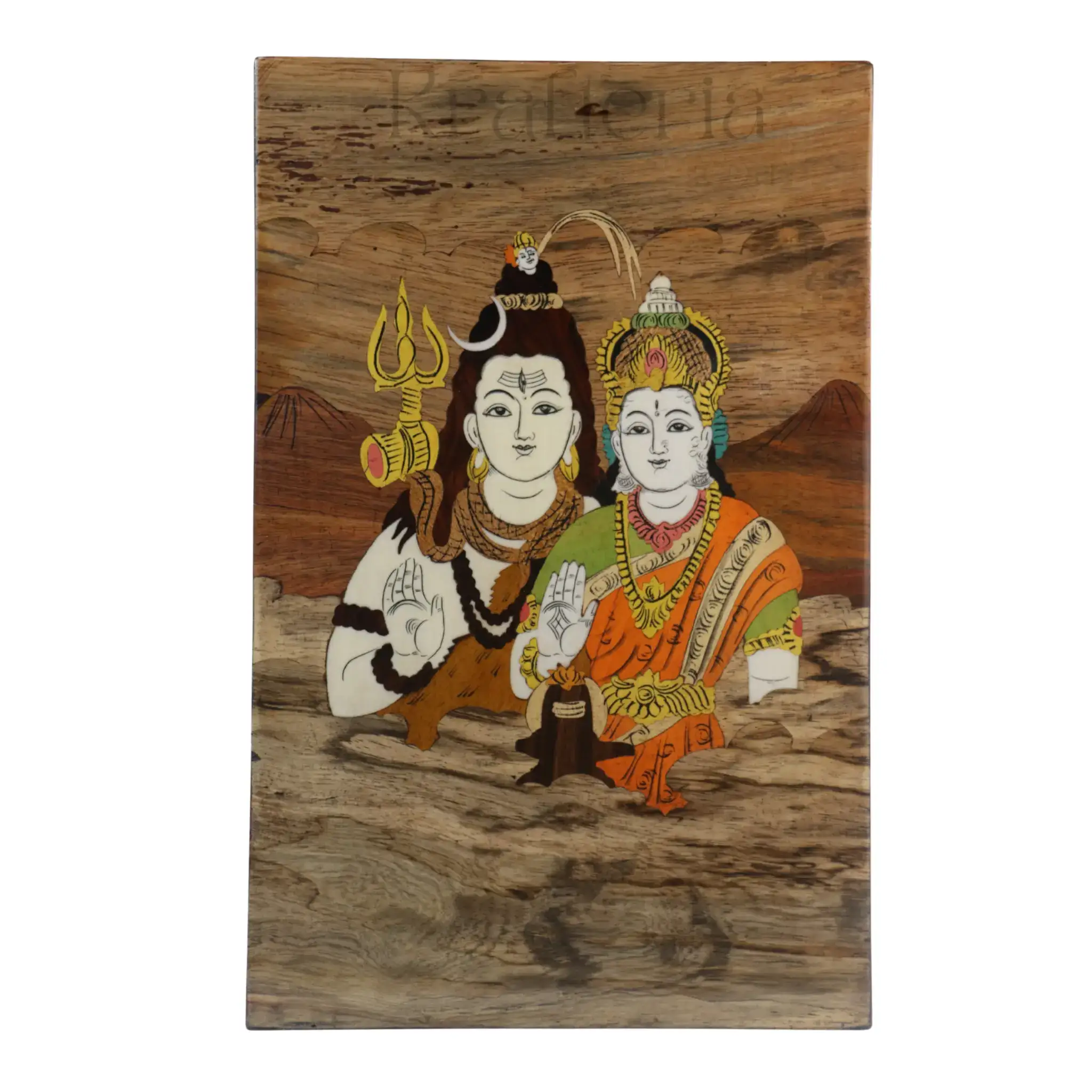
The creation of this art involves meticulously embedding pieces of differently colored wood and historically, ivory, into a rosewood base. This skilled craftsmanship results in intricate designs that blend tradition with creative artistry. The detailed patterns commonly feature floral motifs, geometric shapes, and occasionally, themes reflecting deep cultural roots. These designs eloquently represent the cultural richness of Karnataka.
Each component of this craft is carefully placed to create mesmerizing patterns. The practice requires not only artistic talent but also a deep understanding of the symbolism behind each design. The artisans infuse every piece with meaning, turning it into a true artwork that connects material with culture.
The Spiritual Essence in Craftsmanship
This traditional craft is more than mere decoration; it embodies cultural significance. Every piece symbolizes deep values, preserving history through exquisite artistry. The artwork communicates stories and beliefs through the subtle use of wood and ivory inlays. This connection to deeper meanings makes these pieces highly cherished in homes and places of worship alike.
Modern Significance of the Craft
Today, Mysore rosewood inlay continues to be a highly sought-after art form. Skilled artisans still produce a wide range of decorative items, furniture, and other valuable objects. This form retains importance due to its intricate beauty and cultural symbolism. The craft has earned a prestigious Geographical Indication (GI) tag, which recognizes its unique origin and exceptional quality.
Local artisans uphold this treasured heritage by combining traditional techniques with modern design innovations. They address contemporary needs while preserving the art form's spiritual and historical roots. This balance helps keep the craft alive and relevant in today's world.
Significance of Themes in the Wooden Inlay Craft
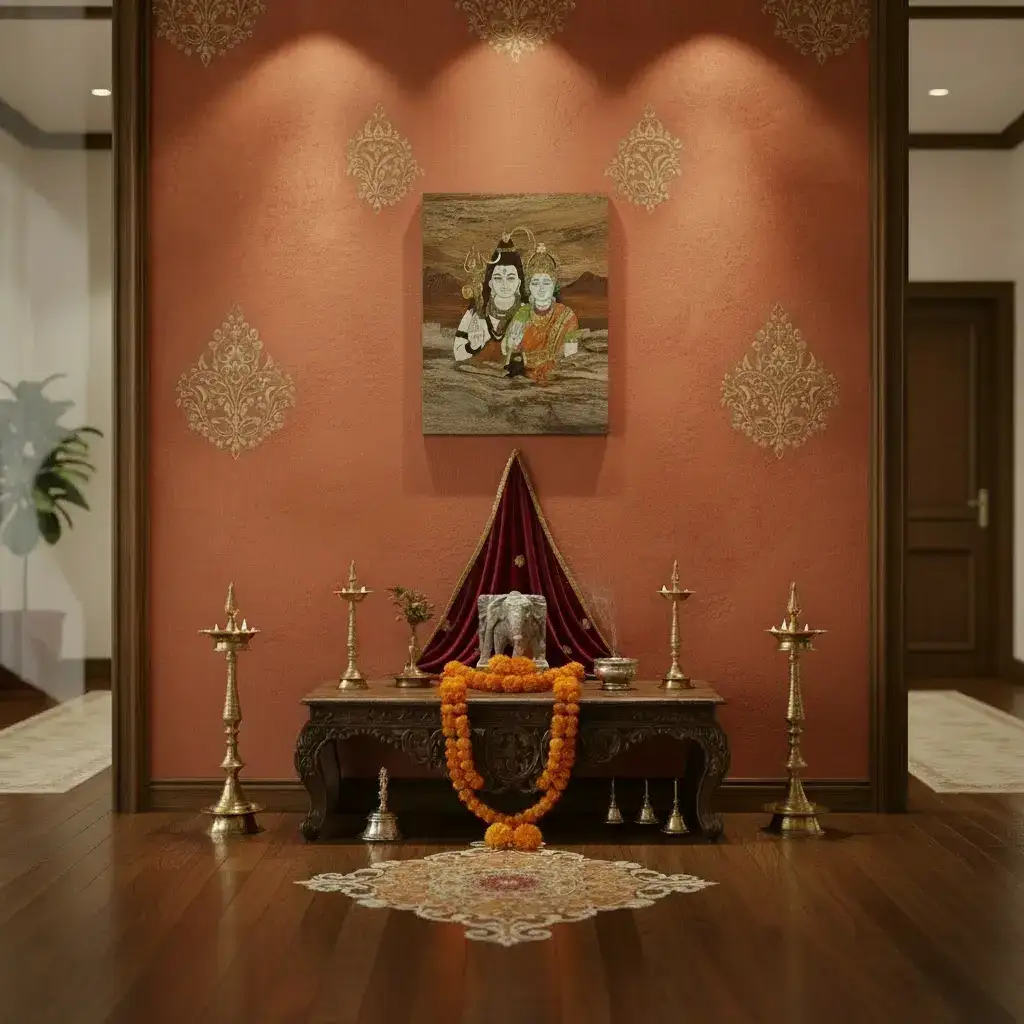
The spiritual themes play a significant role in enhancing the appeal of this inlay craft. The artworks often depict motifs that inspire devotion, peace, and harmony. These elements make the craft highly suitable for spaces like homes, temples, and meditation areas. The practice of creating such related artwork reflects the deep cultural and religious connections of the artisans.
The elegant designs often portray elements from mythology and folklore, enriching the experience. This adds to the decorative value while maintaining the sacred essence embedded in each piece. The wooden artworks serve both as decorative objects and as symbols that convey cultural narratives.
Craftsmanship and Materials in Wooden Inlay Spiritual Artwork
The craftsmanship behind Wooden Inlay Spiritual Artwork demands precision and patience. Artisans handpick quality materials such as Mysore rosewood, a prized timber known for its durability and aesthetic appeal. The inlay work uses carefully cut wooden and synthetic ivory-like pieces to form the detailed patterns.
This combination of premium wood and fine detailing enhances the durability and beauty of the spiritual art work. Through generations, Mysore artisans have perfected this skill, blending artistic flair with cultural traditions. The result is an artwork that stands as a timeless symbol of heritage and spirit.
Preserving the Heritage of the Inlay Craft
The art of inlay is an important part of Karnataka’s cultural legacy. Efforts to preserve and promote this craft continue through artisan guilds and cultural organizations. The GI tag helps protect the authenticity of this craft and boosts its recognition worldwide.
Wooden Inlay Artwork remains a symbol of Karnataka’s rich cultural past, linking the present to the historical traditions of Mysore. This art form continues to inspire and attract art lovers, collectors, and enthusiasts deeply connected to culture.
Original: $2,299.00
-70%$2,299.00
$689.70Product Information
Product Information
Shipping & Returns
Shipping & Returns
Description
Wooden Inlay Spiritual Artwork crafted from Mysore rosewood inlay is an ancient traditional craft of Karnataka. This art form has a history deeply rooted in the region's rich artistic heritage. The heritage reveals strong influences from Persia, along with generous patronage from Tipu Sultan and the Wodeyar dynasty. The wooden inlay craft reached its peak flourishing in Srirangapatna during the 18th century. It was further encouraged and promoted by the Mysore Maharajas, who commissioned intricate rosewood and ivory inlay designs specifically for the Mysore Palace.
Wooden Inlay Spiritual Artwork: The Art Form and Craftsmanship
The creation of this art involves meticulously embedding pieces of differently colored wood and historically, ivory, into a rosewood base. This skilled craftsmanship results in intricate designs that blend tradition with creative artistry. The detailed patterns commonly feature floral motifs, geometric shapes, and occasionally, themes reflecting deep cultural roots. These designs eloquently represent the cultural richness of Karnataka.
Each component of this craft is carefully placed to create mesmerizing patterns. The practice requires not only artistic talent but also a deep understanding of the symbolism behind each design. The artisans infuse every piece with meaning, turning it into a true artwork that connects material with culture.
The Spiritual Essence in Craftsmanship
This traditional craft is more than mere decoration; it embodies cultural significance. Every piece symbolizes deep values, preserving history through exquisite artistry. The artwork communicates stories and beliefs through the subtle use of wood and ivory inlays. This connection to deeper meanings makes these pieces highly cherished in homes and places of worship alike.
Modern Significance of the Craft
Today, Mysore rosewood inlay continues to be a highly sought-after art form. Skilled artisans still produce a wide range of decorative items, furniture, and other valuable objects. This form retains importance due to its intricate beauty and cultural symbolism. The craft has earned a prestigious Geographical Indication (GI) tag, which recognizes its unique origin and exceptional quality.
Local artisans uphold this treasured heritage by combining traditional techniques with modern design innovations. They address contemporary needs while preserving the art form's spiritual and historical roots. This balance helps keep the craft alive and relevant in today's world.
Significance of Themes in the Wooden Inlay Craft
The spiritual themes play a significant role in enhancing the appeal of this inlay craft. The artworks often depict motifs that inspire devotion, peace, and harmony. These elements make the craft highly suitable for spaces like homes, temples, and meditation areas. The practice of creating such related artwork reflects the deep cultural and religious connections of the artisans.
The elegant designs often portray elements from mythology and folklore, enriching the experience. This adds to the decorative value while maintaining the sacred essence embedded in each piece. The wooden artworks serve both as decorative objects and as symbols that convey cultural narratives.
Craftsmanship and Materials in Wooden Inlay Spiritual Artwork
The craftsmanship behind Wooden Inlay Spiritual Artwork demands precision and patience. Artisans handpick quality materials such as Mysore rosewood, a prized timber known for its durability and aesthetic appeal. The inlay work uses carefully cut wooden and synthetic ivory-like pieces to form the detailed patterns.
This combination of premium wood and fine detailing enhances the durability and beauty of the spiritual art work. Through generations, Mysore artisans have perfected this skill, blending artistic flair with cultural traditions. The result is an artwork that stands as a timeless symbol of heritage and spirit.
Preserving the Heritage of the Inlay Craft
The art of inlay is an important part of Karnataka’s cultural legacy. Efforts to preserve and promote this craft continue through artisan guilds and cultural organizations. The GI tag helps protect the authenticity of this craft and boosts its recognition worldwide.
Wooden Inlay Artwork remains a symbol of Karnataka’s rich cultural past, linking the present to the historical traditions of Mysore. This art form continues to inspire and attract art lovers, collectors, and enthusiasts deeply connected to culture.